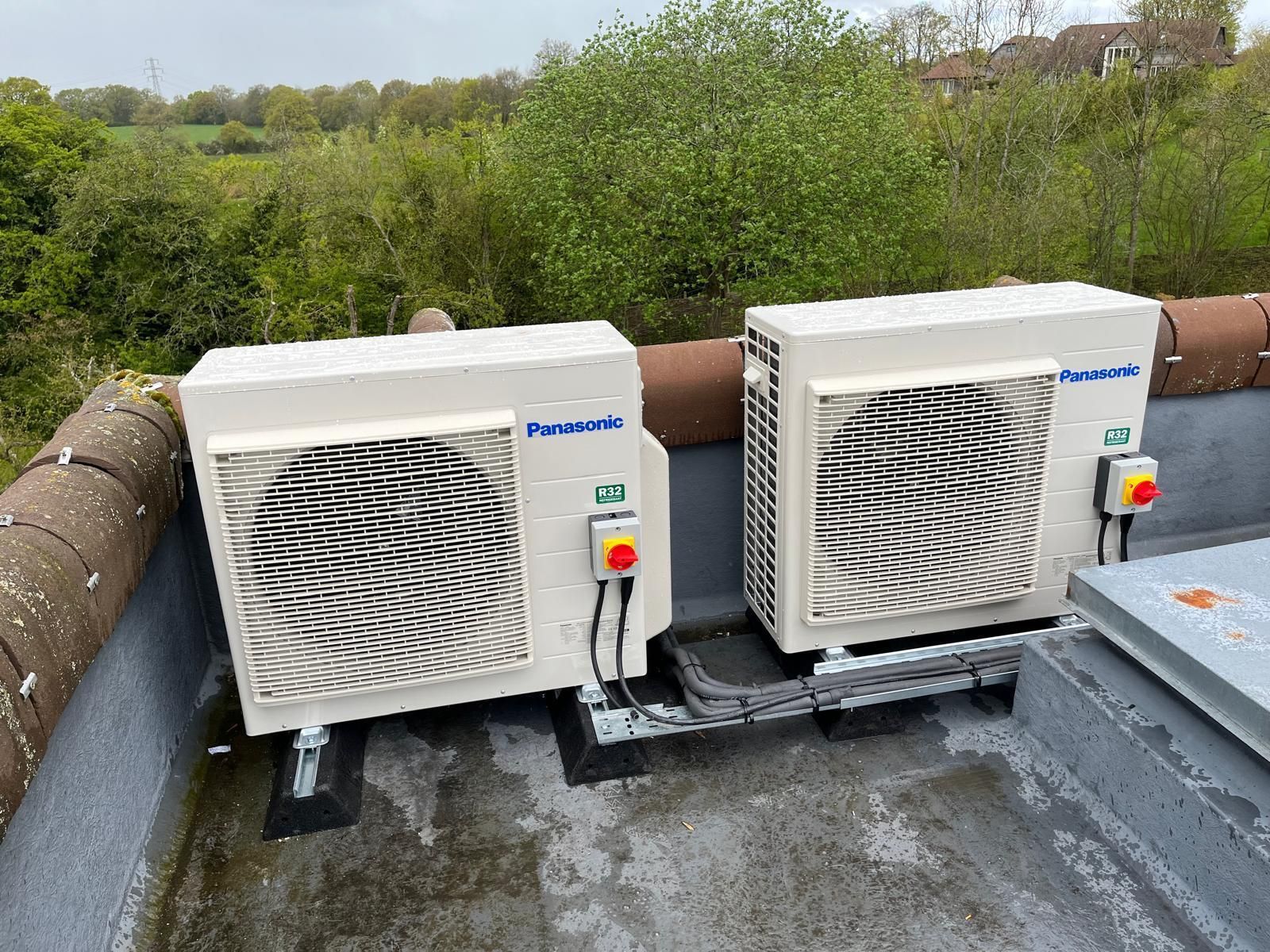
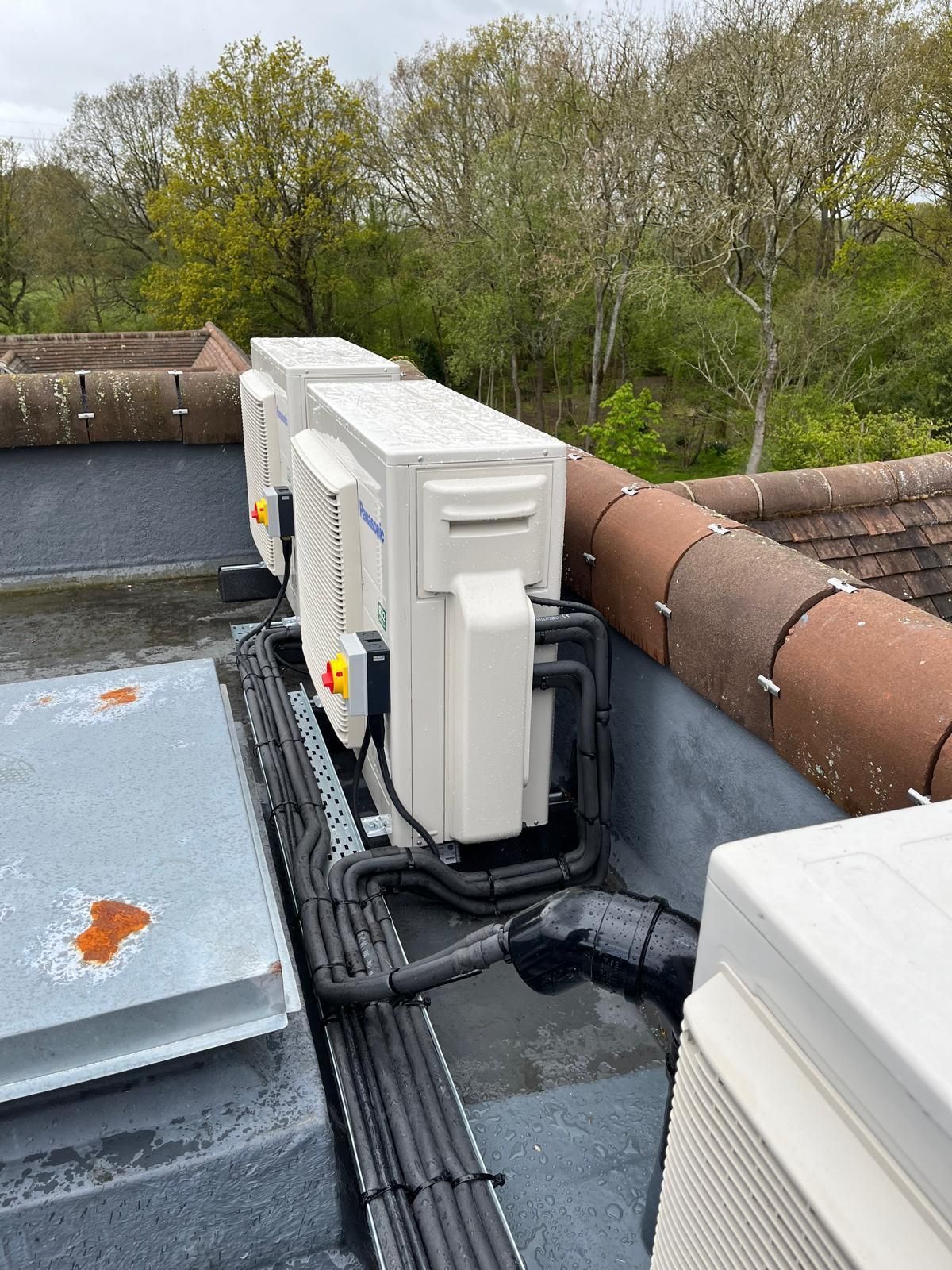
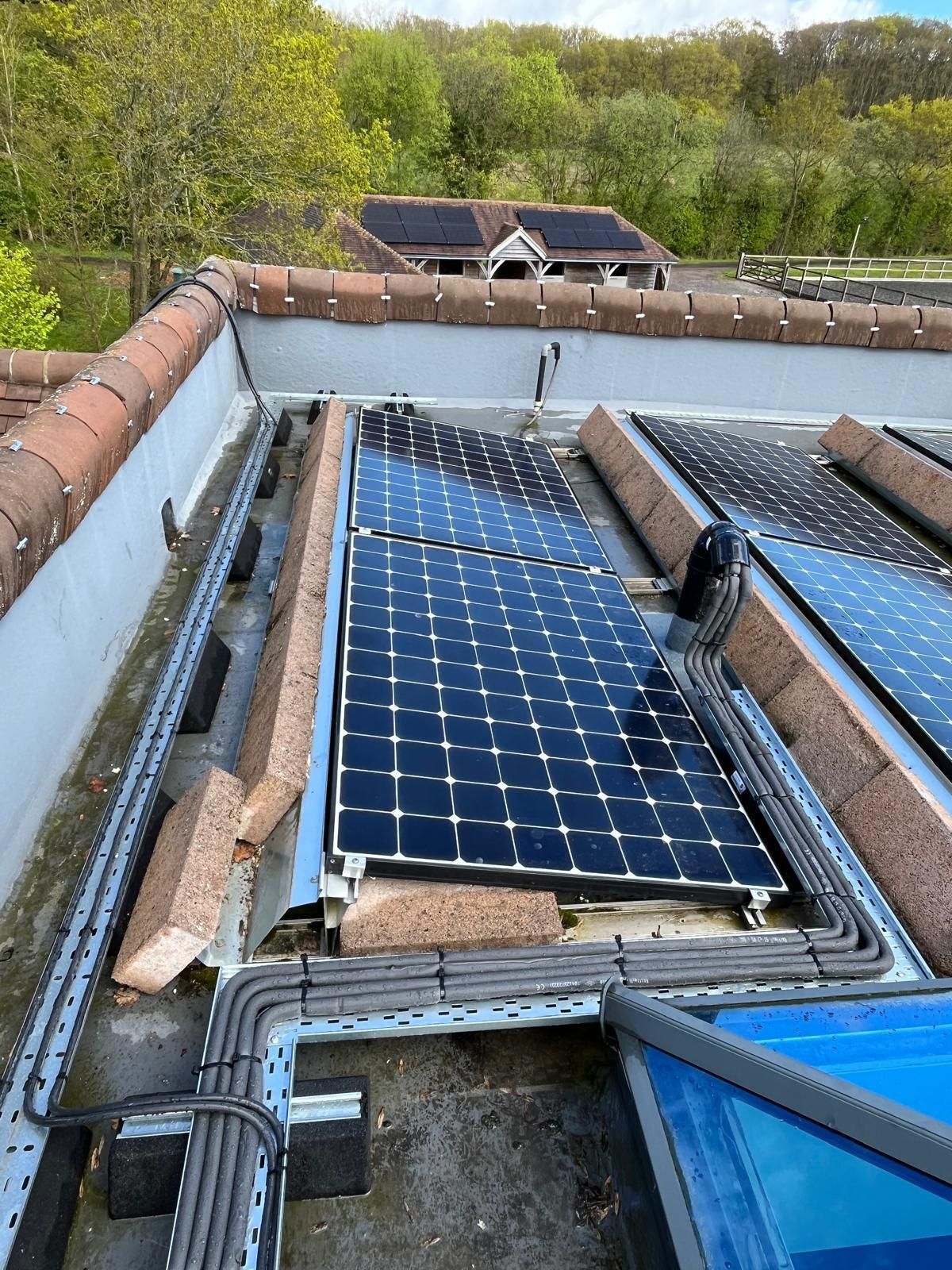
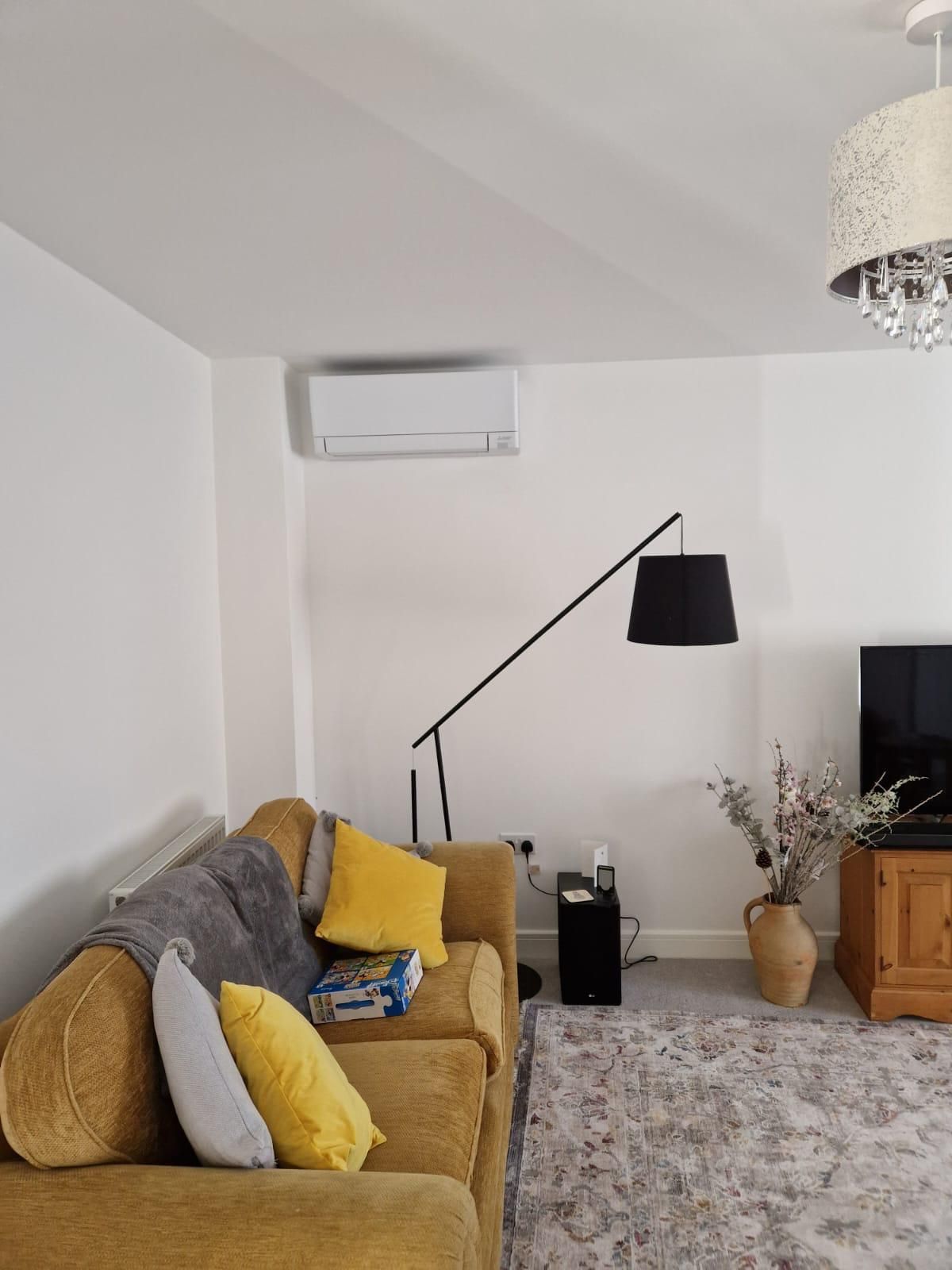
When Should a School or Healthcare Facility Upgrade Its Air Conditioning System?
Recognising When an Air Conditioning System Is No Longer Performing
In schools and healthcare buildings, air conditioning systems play a much bigger role than simple comfort. They help maintain concentration in classrooms, protect sensitive medical environments and support overall indoor air quality.
Over time, however, even well-installed systems begin to decline in efficiency. Rising energy bills, inconsistent temperatures and increased maintenance visits are often early signs that a system may be approaching the end of its practical lifespan.
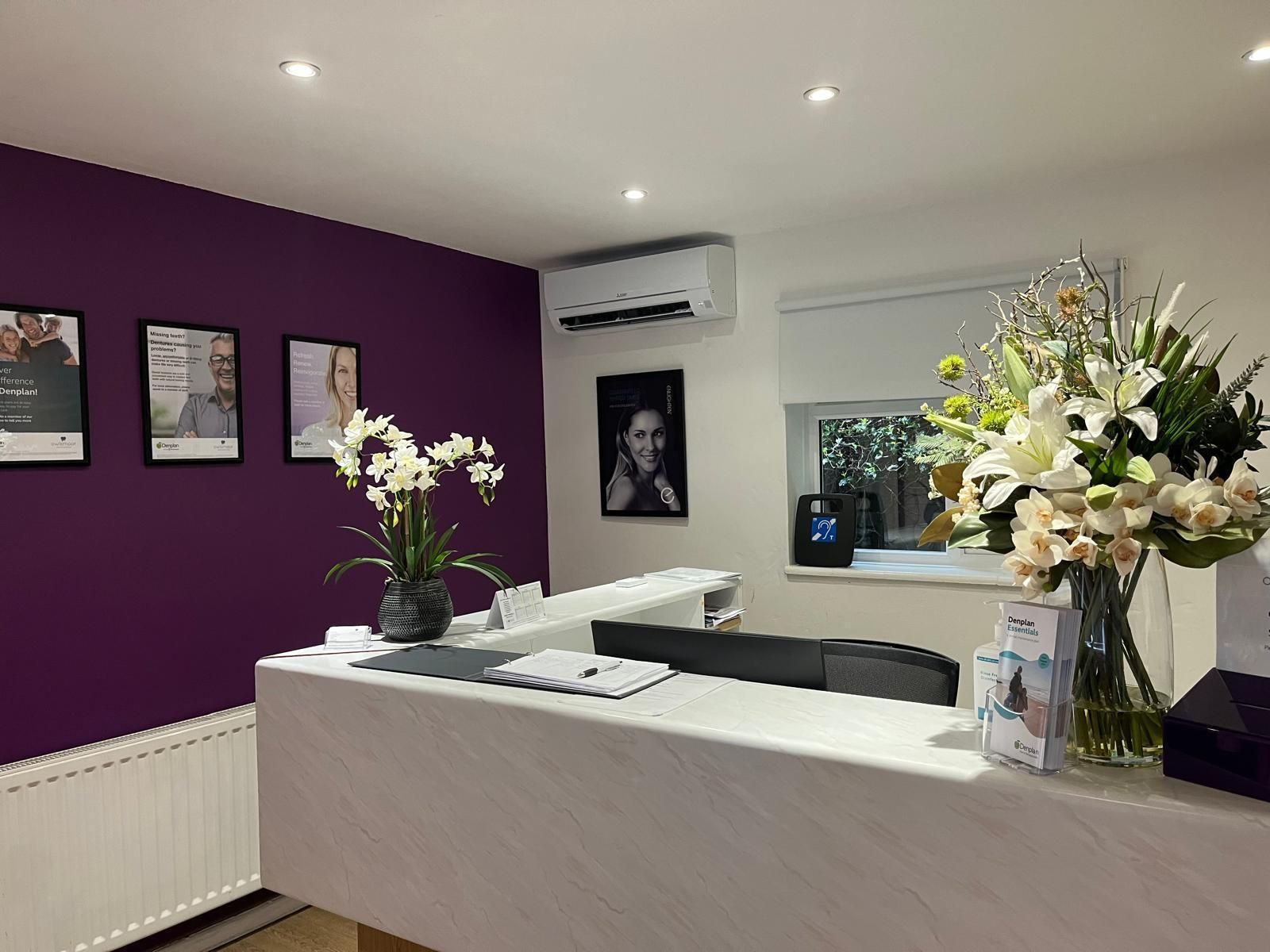
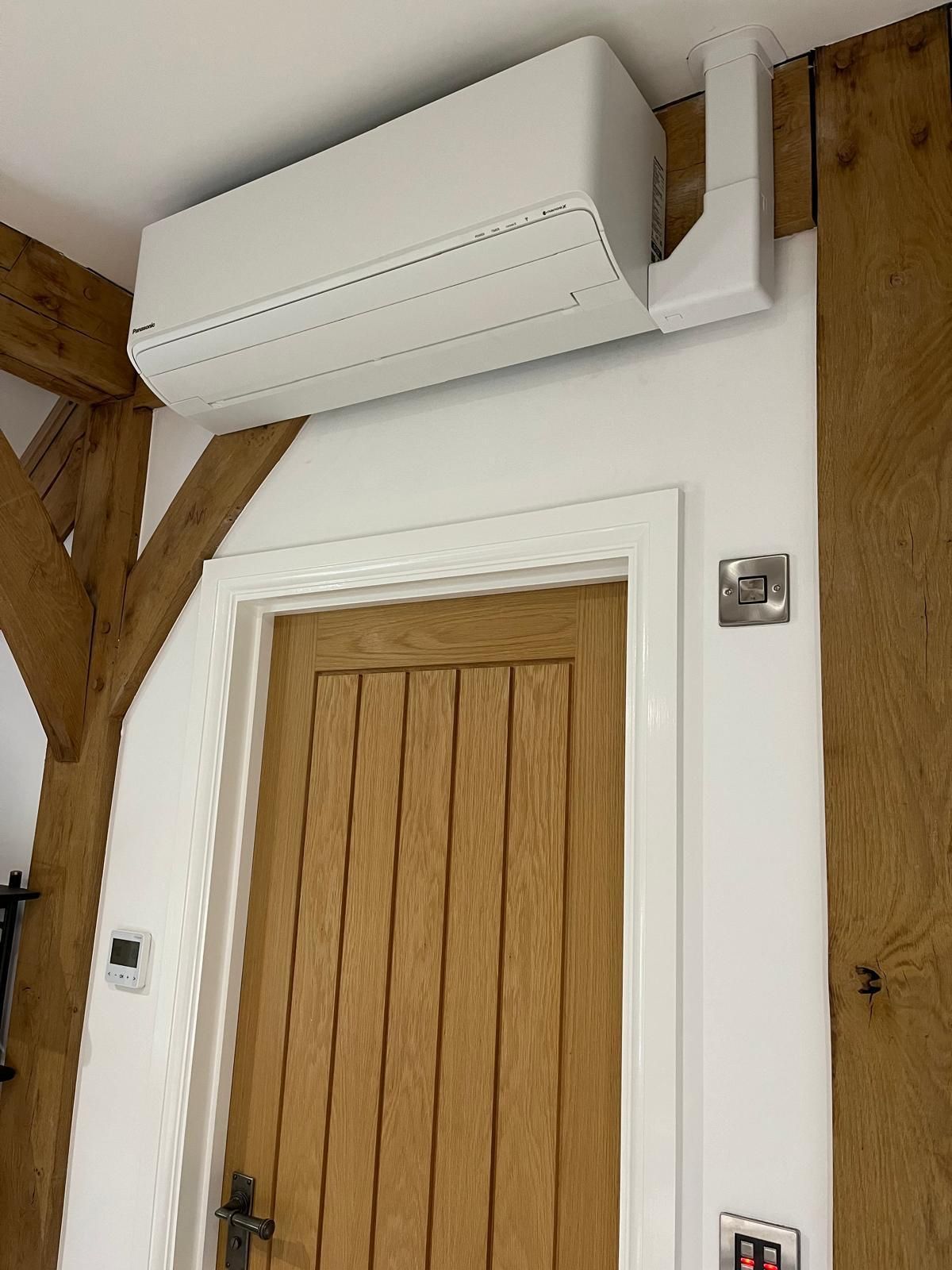
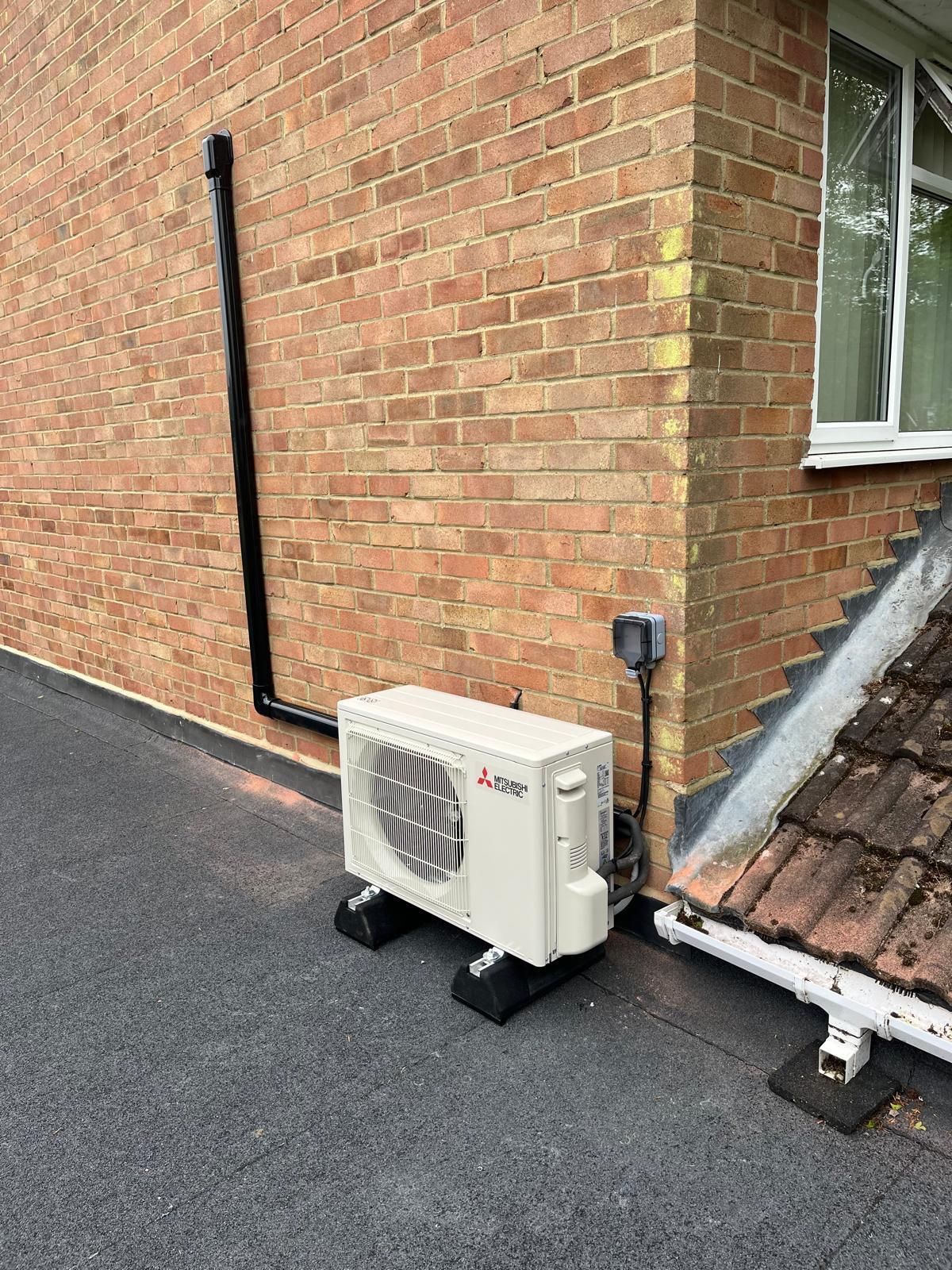
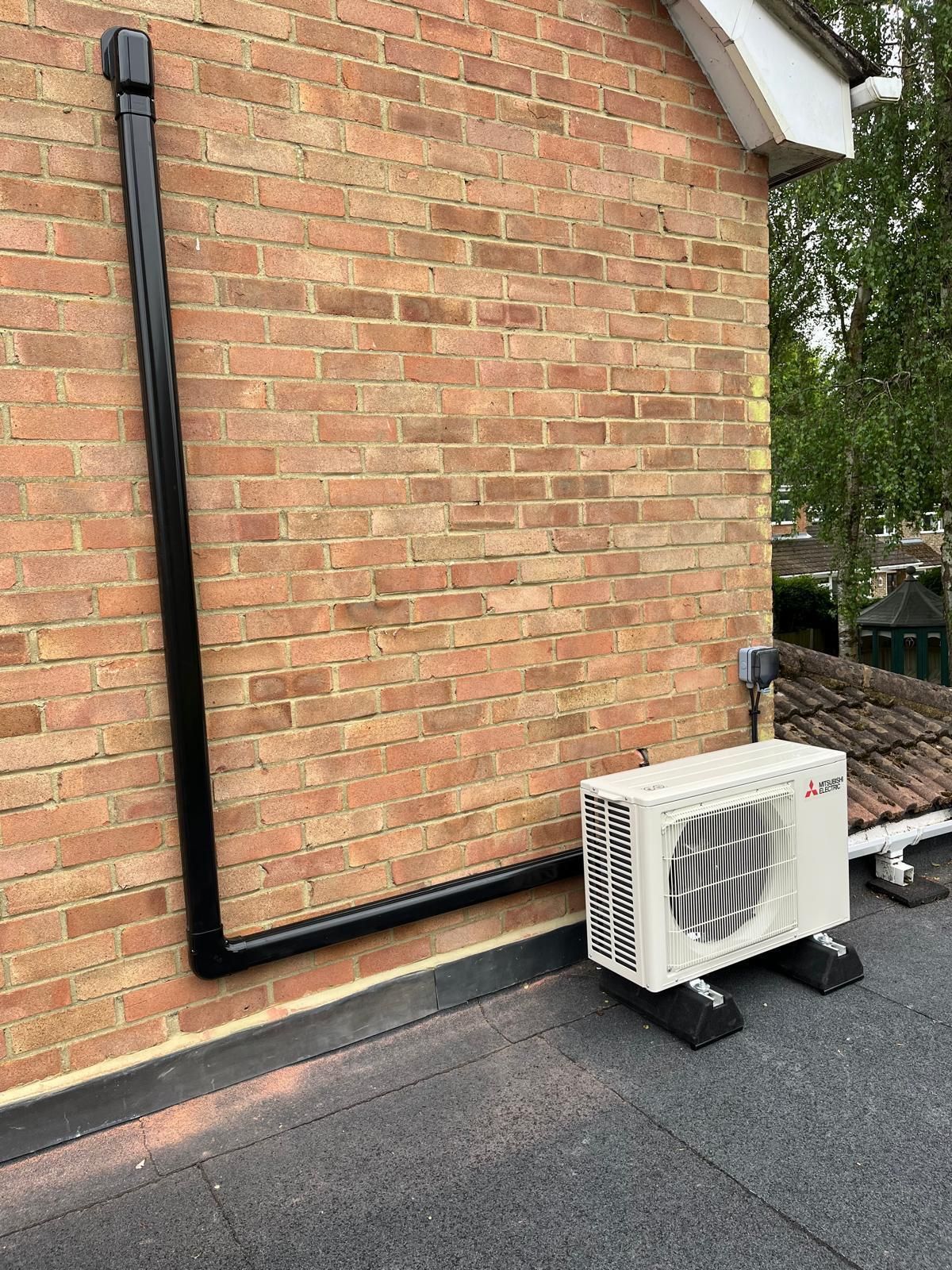
Understanding when to consider a commercial air conditioning upgrade can prevent disruption, protect budgets and ensure buildings remain compliant and comfortable.
Rising Energy Costs Without Clear Explanation
One of the most common indicators that a school or healthcare facility should review its air conditioning system is unexplained increases in electricity usage.
Older commercial AC systems often operate at fixed output levels, consuming more energy than necessary to maintain temperature. Modern energy efficient air conditioning systems use inverter technology and improved controls to adjust output dynamically, significantly reducing electricity consumption.
If a building’s cooling costs have steadily increased despite similar usage patterns, it may be time to consider upgrading to a more efficient solution.
Inconsistent Temperatures Across Rooms
Uneven cooling is another sign that an air conditioning system may no longer be fit for purpose.
In education buildings, classrooms on upper floors may overheat while ground-floor areas remain cool. In healthcare facilities, treatment rooms may struggle to maintain consistent conditions throughout the day.
These issues are often caused by outdated system design, insufficient capacity or worn components. Upgrading a school air conditioning installation allows zoning and load balancing to be properly configured for current occupancy levels.
Increased Maintenance and Repair Requirements
Frequent breakdowns and repeated call-outs can indicate that a commercial HVAC system is reaching the end of its reliable life cycle.
While regular servicing remains important, a pattern of escalating repairs typically suggests that replacing the system will be more cost-effective in the long term. Healthcare environments, in particular, cannot afford prolonged downtime in clinical areas.
Upgrading early avoids reactive repairs and ensures continuity of operations.
Changes in Building Use or Occupancy
Schools expand. Clinics add treatment rooms. Healthcare facilities introduce new equipment.
When occupancy levels or building usage change, the original air conditioning installation may no longer be appropriately sized. Systems that were once sufficient can become overstretched, leading to overheating, excessive energy consumption and accelerated wear.
A professional review of cooling loads and airflow requirements can determine whether a commercial air conditioning replacement is the most practical solution.
Compliance and Environmental Considerations
Regulatory expectations and sustainability standards continue to evolve.
Older systems may rely on refrigerants with higher environmental impact or fail to meet current efficiency benchmarks. Upgrading to modern equipment supports compliance with environmental targets while improving overall building performance.
For schools and healthcare providers with sustainability commitments, installing energy efficient air conditioning can significantly reduce carbon output and support long-term environmental goals.
Integration With Ventilation Systems
Many older buildings were not designed with integrated ventilation and air conditioning in mind.
Modern installations allow ventilation systems and cooling systems to work together more effectively, improving indoor air quality while maintaining consistent temperatures. In healthcare settings especially, this integration is essential for maintaining safe and compliant environments.
Upgrading air conditioning as part of a broader ventilation review can significantly improve overall system performance.
Planning a Structured Upgrade Rather Than Reacting to Failure
Waiting for a system to fail completely often leads to emergency decisions, limited equipment availability and higher installation costs.
A planned commercial air conditioning upgrade allows building managers to schedule work around operational needs, reduce disruption and secure a solution that aligns with long-term infrastructure planning.
For schools, this may mean coordinating installation during holiday periods. For healthcare facilities, phased upgrades can maintain uninterrupted clinical services.
Evaluating the Lifespan of Existing Systems
Most commercial air conditioning systems have an expected operational lifespan of around 10–15 years, depending on usage and maintenance quality.
If your system is approaching this range, it is sensible to begin assessing replacement options before reliability declines further. Modern systems offer significant improvements in efficiency, control and sustainability compared to those installed a decade ago.
Moving Forward With Confidence
Upgrading air conditioning in schools and healthcare buildings is not simply about replacing old equipment. It is about improving energy performance, protecting operational continuity and ensuring environments remain comfortable and compliant.
A properly designed installation supports long-term cost control, simplifies maintenance and integrates effectively with ventilation infrastructure.
At JP Air Conditioning, we design and install commercial air conditioning systems for schools and healthcare facilities across Hampshire, Surrey and surrounding areas. Our approach focuses on energy efficiency, compliance and future-ready system design.
To discuss upgrading or replacing your existing system,
call 01252 929395 or
visit www.jpairconditioning.co.uk.