Sustainable Ventilation Systems for Healthcare and Education Buildings: What Are Your Options?
Why Sustainability Now Matters in Ventilation Design
Across both healthcare and education sectors, sustainability has moved from a long-term ambition to an immediate operational priority.
Schools are under pressure to reduce energy consumption and carbon output. Healthcare providers are expected to maintain strict environmental standards while ensuring patient safety and regulatory compliance. In both environments, ventilation systems play a major role in overall building performance.
Installing sustainable ventilation systems for healthcare buildings and schools is no longer just about environmental responsibility — it is about reducing operating costs, improving air quality and futureproofing infrastructure.
What Makes a Ventilation System “Sustainable”?
A sustainable ventilation system is one that delivers consistent fresh airflow while minimising energy consumption and environmental impact. This is achieved through a combination of intelligent design, efficient equipment and integration with other building systems. Rather than simply extracting and replacing air, modern systems focus on recovering energy, balancing airflow and reducing unnecessary strain on heating and cooling systems.
When designed correctly, sustainable ventilation improves indoor air quality while lowering long-term running costs.
Heat Recovery Ventilation in Schools and Healthcare Facilities
One of the most effective ways to improve efficiency is through heat recovery ventilation.
Mechanical ventilation with heat recovery (MVHR) systems capture heat from outgoing stale air and transfer it to incoming fresh air. This reduces the amount of additional heating required, which is particularly important in large education buildings and healthcare clinics that operate year-round.
In schools, this means classrooms receive fresh air without excessive heat loss during colder months. In healthcare settings, it ensures compliance with ventilation standards while maintaining stable indoor temperatures.
By reducing wasted energy, heat recovery systems significantly improve overall building efficiency.
Balancing Air Quality and Energy Efficiency
Healthcare ventilation requirements demand high standards of air quality. Treatment rooms, waiting areas and clinical spaces must maintain consistent airflow and contamination control.
At the same time, these buildings operate for extended hours and often house sensitive equipment. Sustainable ventilation design ensures that air changes per hour are achieved without unnecessarily increasing energy consumption.
In education settings, maintaining fresh air in classrooms supports concentration and wellbeing. Poor ventilation can lead to elevated CO₂ levels and discomfort, but excessive extraction without efficient recovery increases heating and cooling demand.
Careful system design ensures that ventilation and air conditioning work together rather than against each other.
Reducing Long-Term Operational Costs
Energy-efficient ventilation systems reduce strain on HVAC infrastructure.
By improving airflow balance and minimising heat loss, sustainable systems lower the overall demand placed on air conditioning and heating equipment. This not only reduces electricity usage but also extends the lifespan of connected systems. For schools and healthcare facilities operating under strict budgets, predictable running costs are essential. Investing in sustainable ventilation during installation helps avoid escalating energy bills and reactive upgrades later.
Supporting ESG and Environmental Objectives
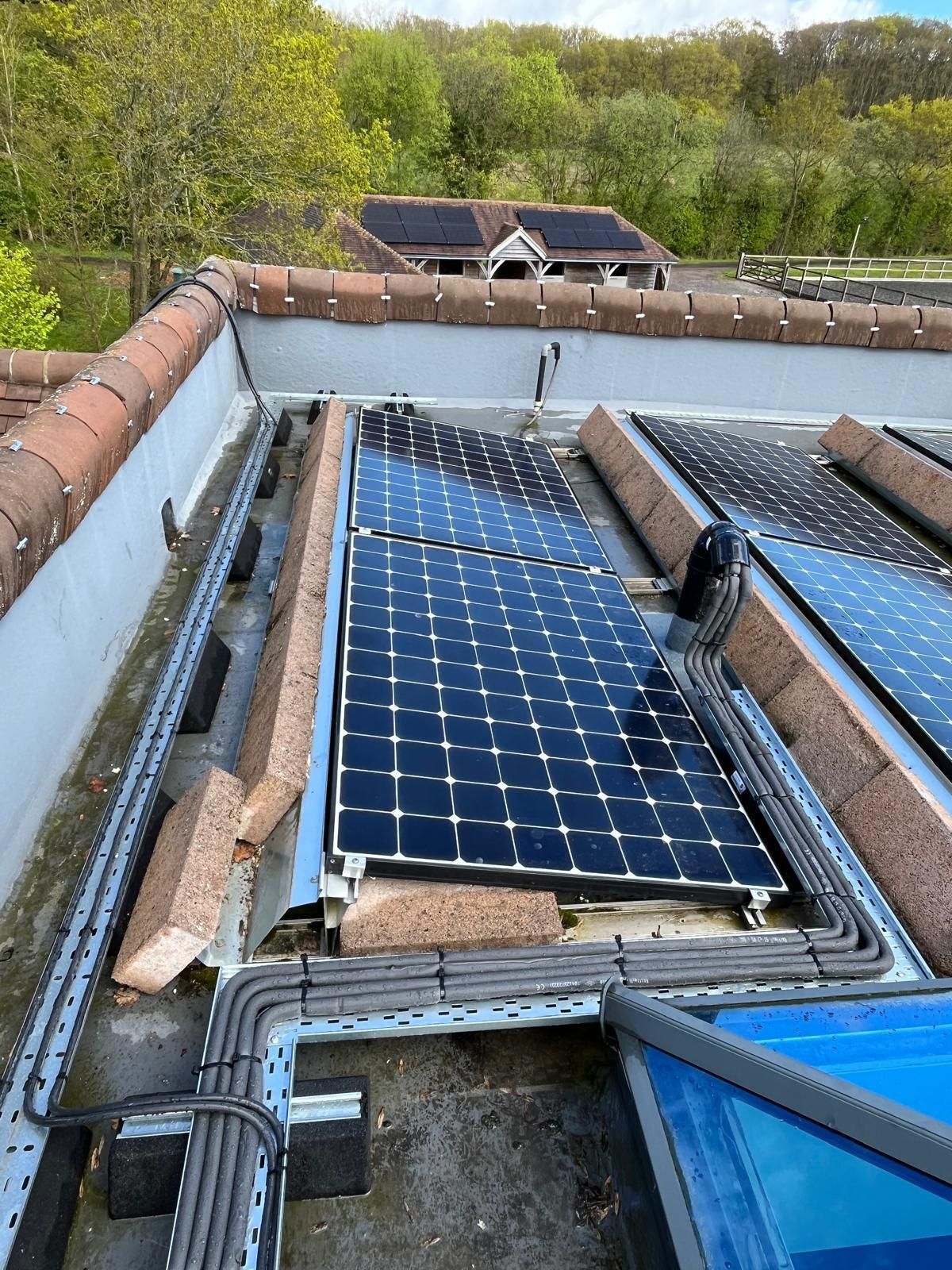
Environmental, social and governance (ESG) considerations are increasingly influencing infrastructure decisions. Education providers and healthcare organisations are expected to demonstrate commitment to reducing carbon emissions and improving building efficiency. Sustainable ventilation systems contribute directly to these objectives by lowering energy demand and supporting improved building performance ratings.
Modern systems also use refrigerants and materials with reduced environmental impact, aligning with wider sustainability strategies.
When to Consider Upgrading Ventilation Systems
Older ventilation systems may lack heat recovery, smart controls or efficient airflow balancing. In some cases, they may have been designed before current energy standards were introduced.
Signs that an upgrade may be beneficial include rising heating costs, inconsistent airflow, poor indoor air quality or increasing maintenance requirements.
Upgrading ventilation in a school or healthcare building provides an opportunity to integrate energy-efficient technologies while improving overall environmental performance.
Designing Sustainable Ventilation for the Long Term
Every healthcare facility and school building is different. Room usage, occupancy levels, building layout and regulatory requirements all influence system design.
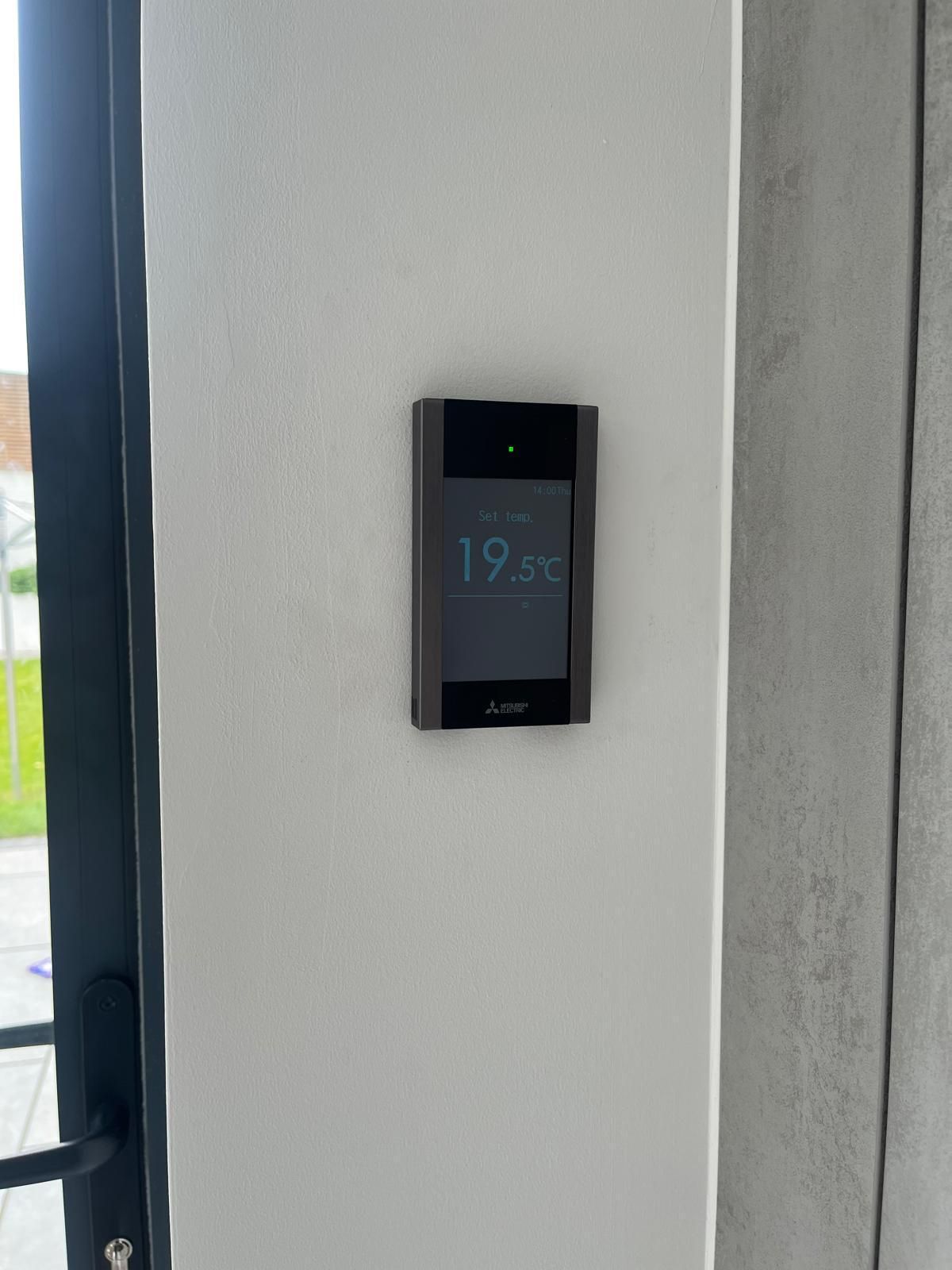
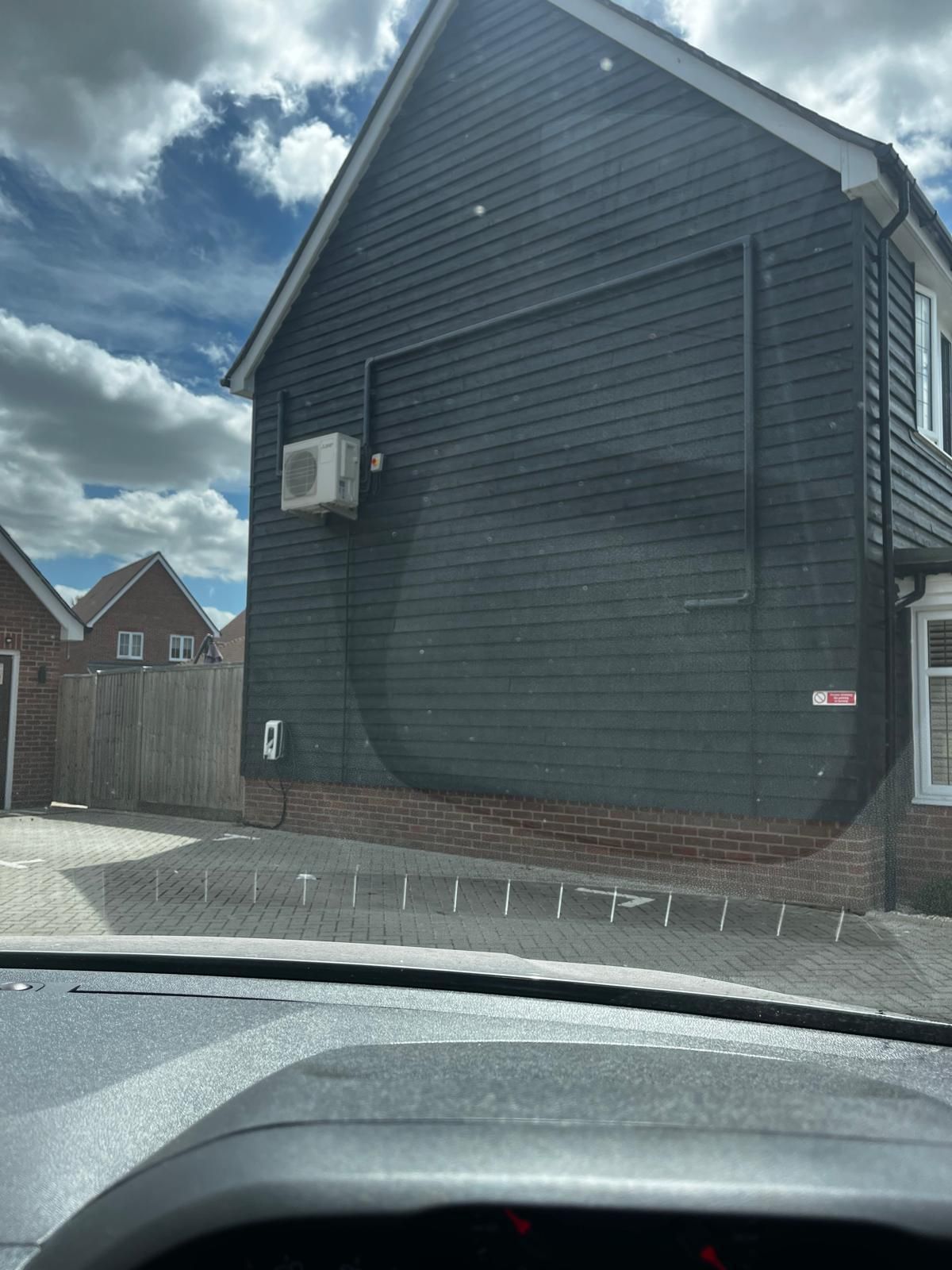
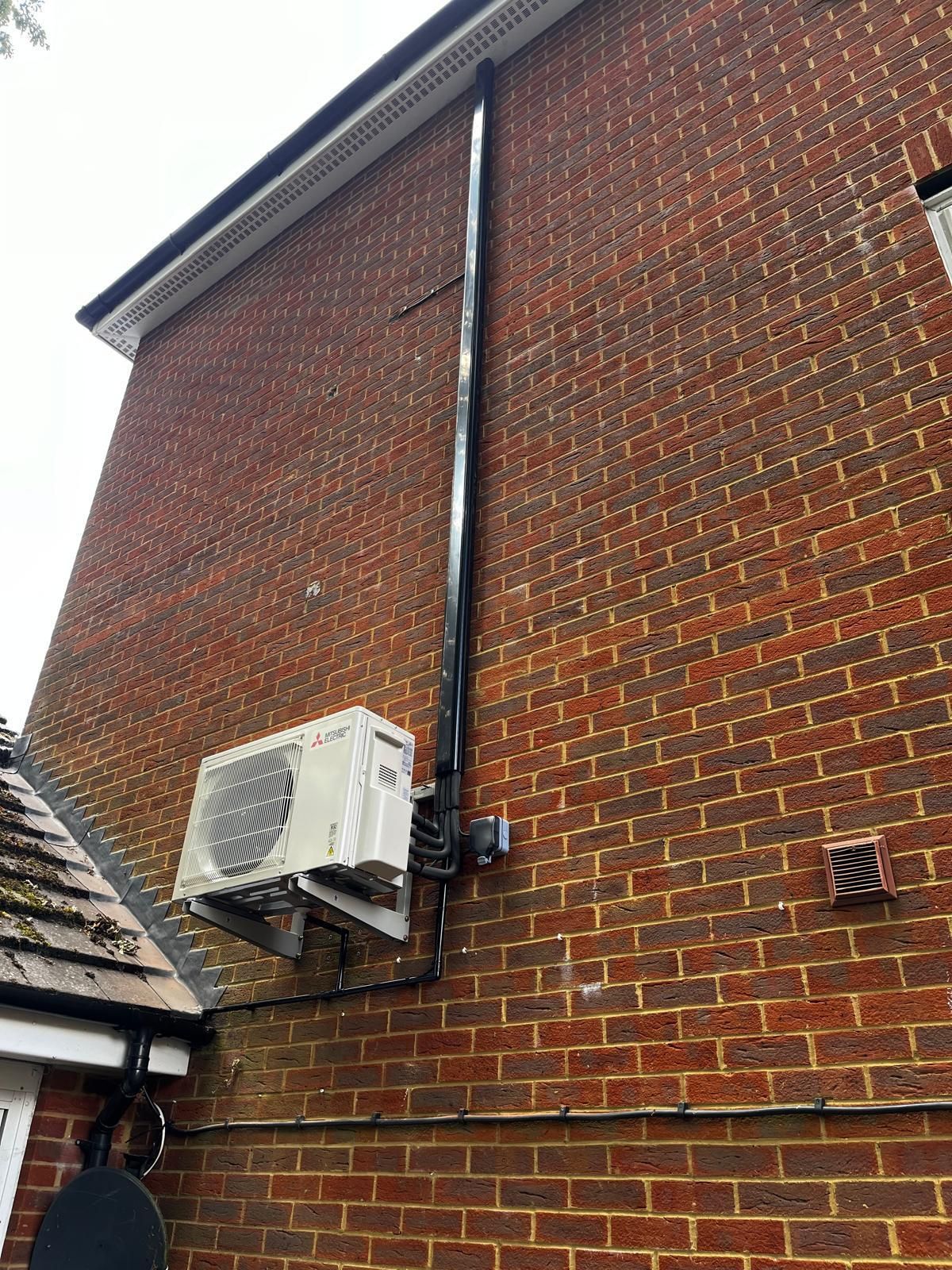
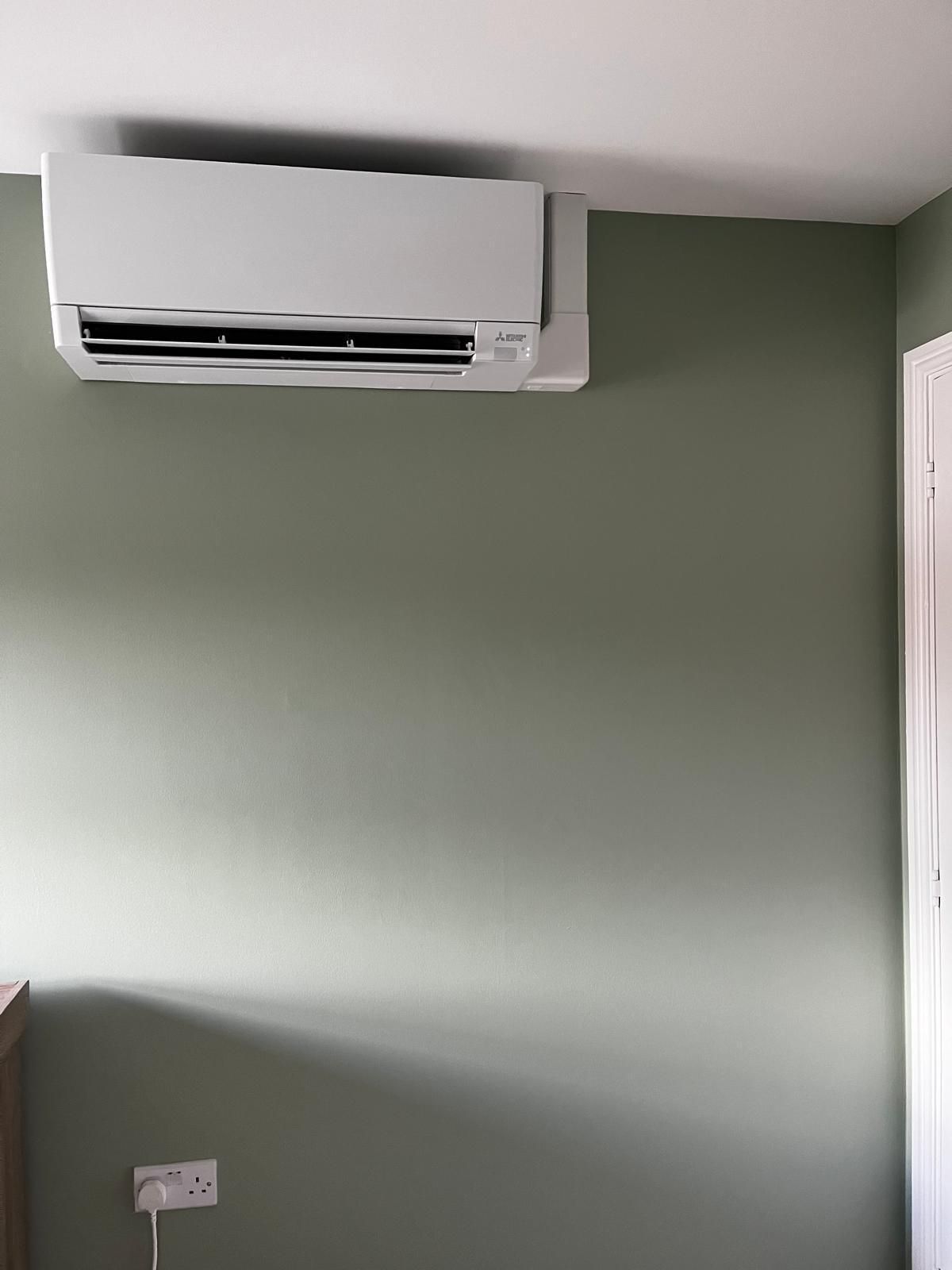
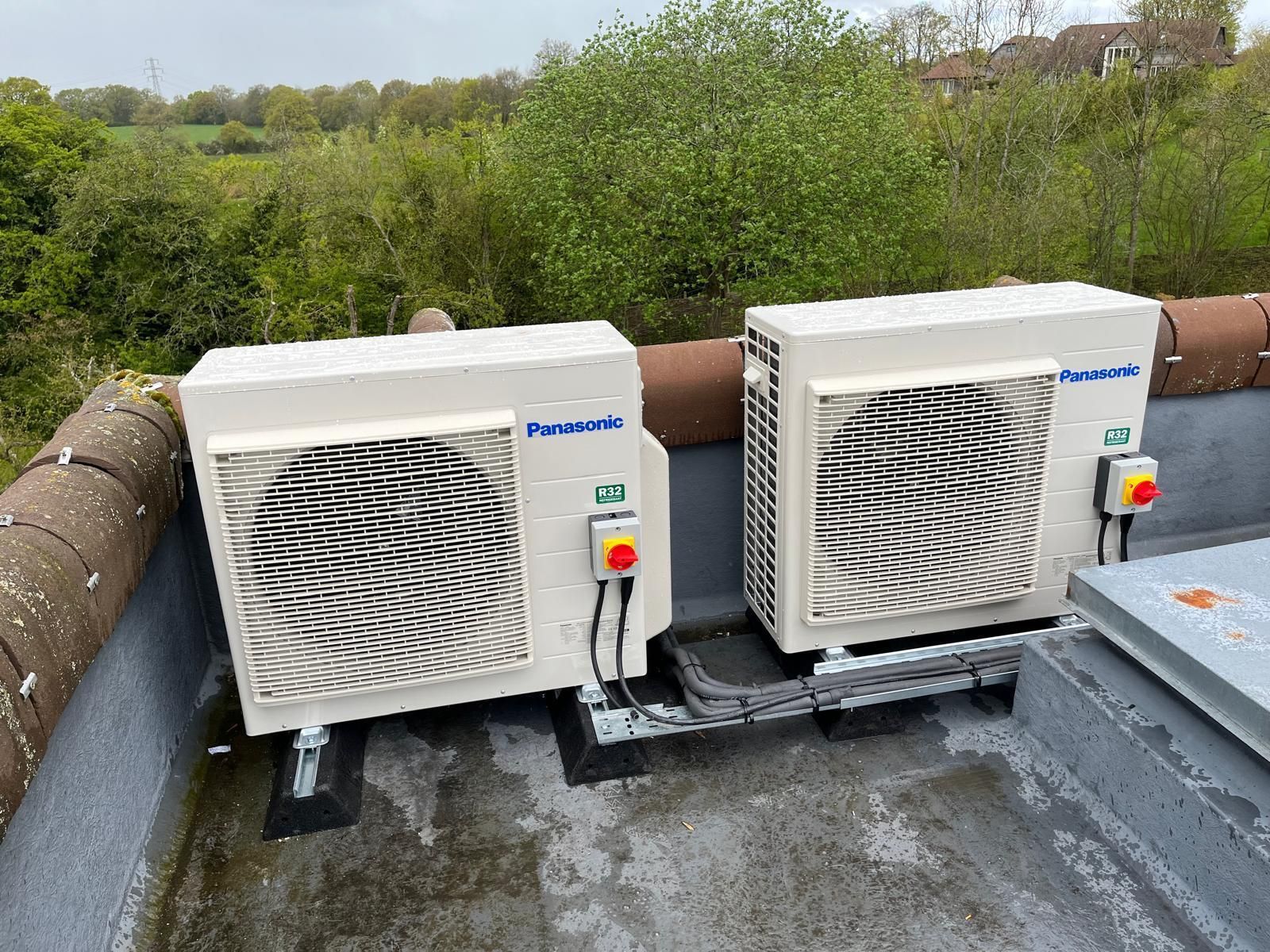
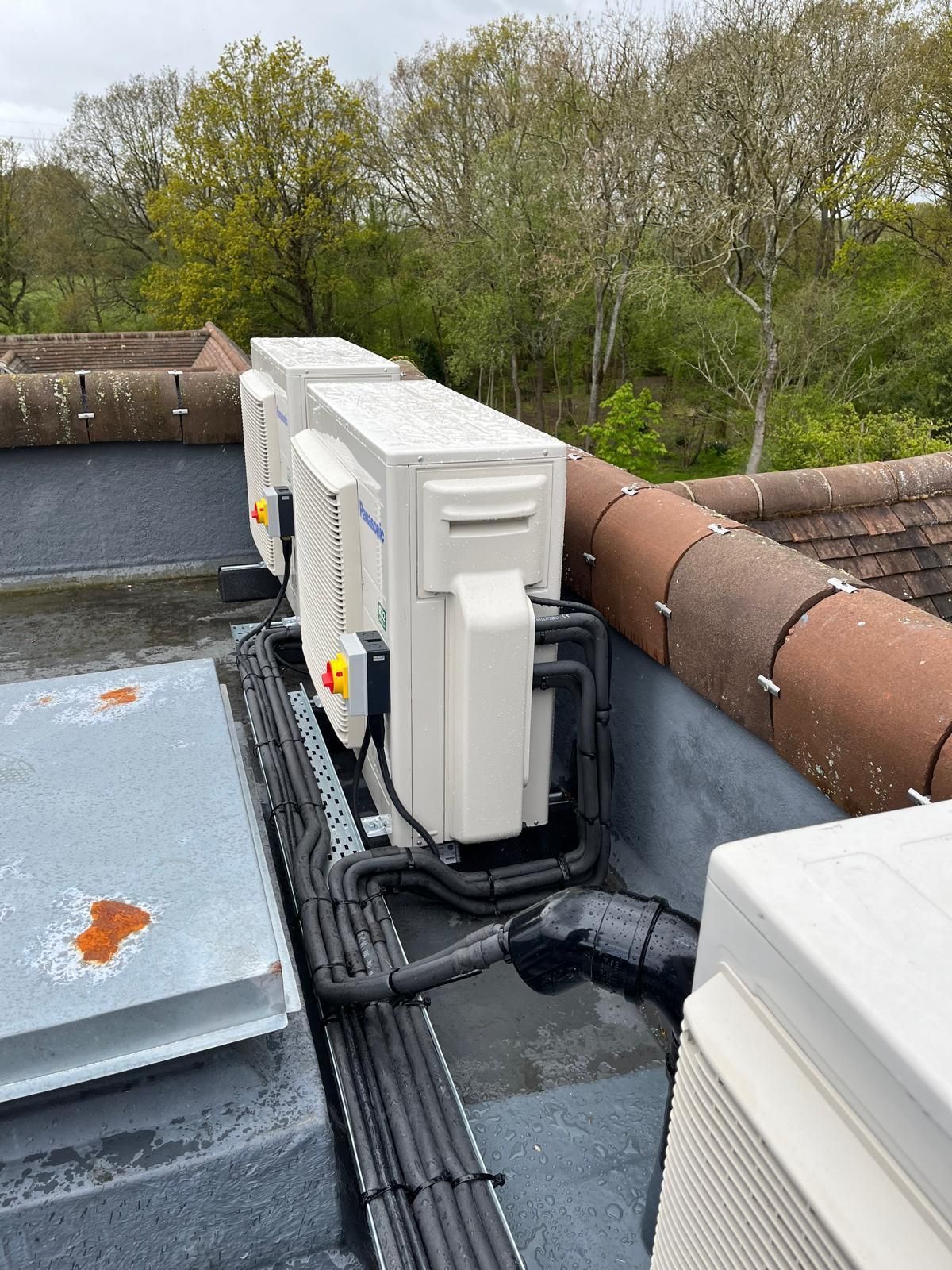
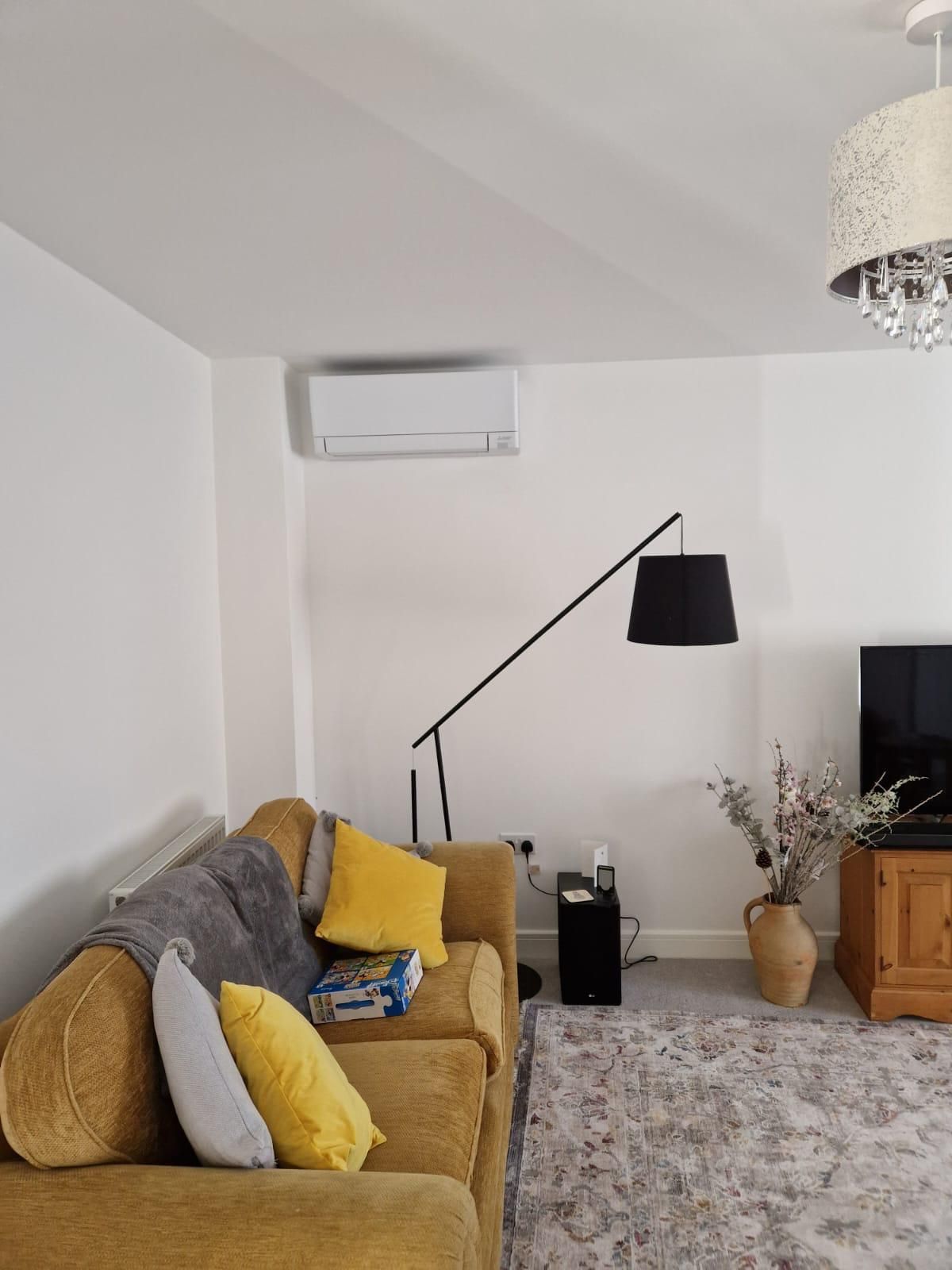
A tailored approach ensures ventilation systems meet compliance expectations while delivering long-term energy savings. Integration with commercial air conditioning installation allows for balanced climate control throughout the year.
Proper commissioning and installation are essential to achieving the full benefits of sustainable ventilation. Attention to airflow balancing, duct design and control systems ensures consistent performance over time.
Planning Sustainable Ventilation for Your Building
If you are reviewing ventilation options for a school or healthcare facility, focusing on sustainability from the outset ensures the system delivers long-term value.
By combining heat recovery, energy-efficient controls and carefully designed airflow strategies, it is possible to maintain high indoor air quality while reducing environmental impact.
At JP Air Conditioning, we design and install sustainable ventilation systems for healthcare and education buildings across Hampshire, Surrey and the surrounding areas. Our approach prioritises compliance, efficiency and long-term reliability.
To discuss ventilation installation or system upgrades,
call 01252 929395 or
visit www.jpairconditioning.co.uk.