Energy Efficient Air Conditioning for Schools: How to Reduce Running Costs Without Sacrificing Comfort
Why Energy Efficiency Is Now a Priority for Schools
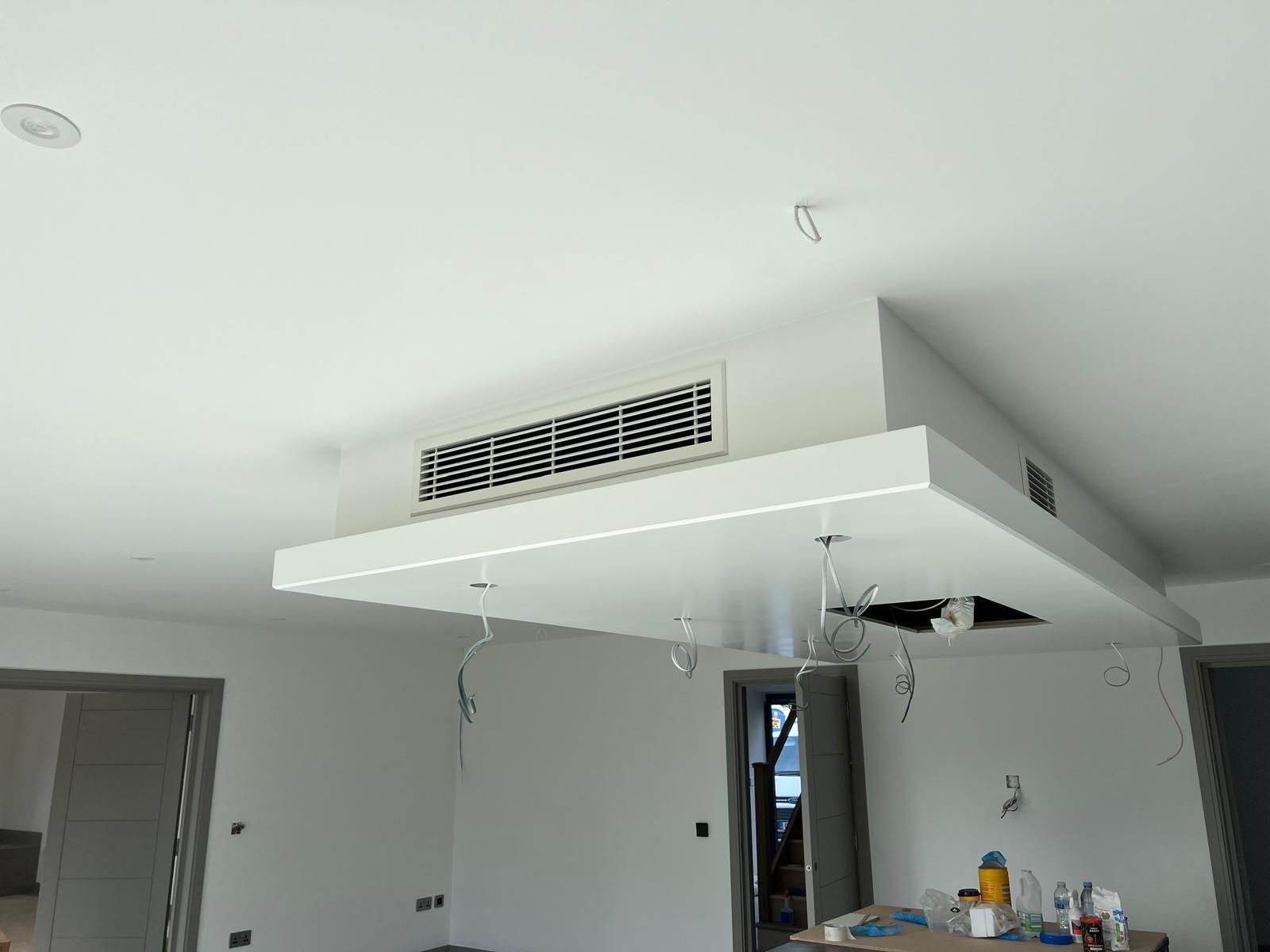
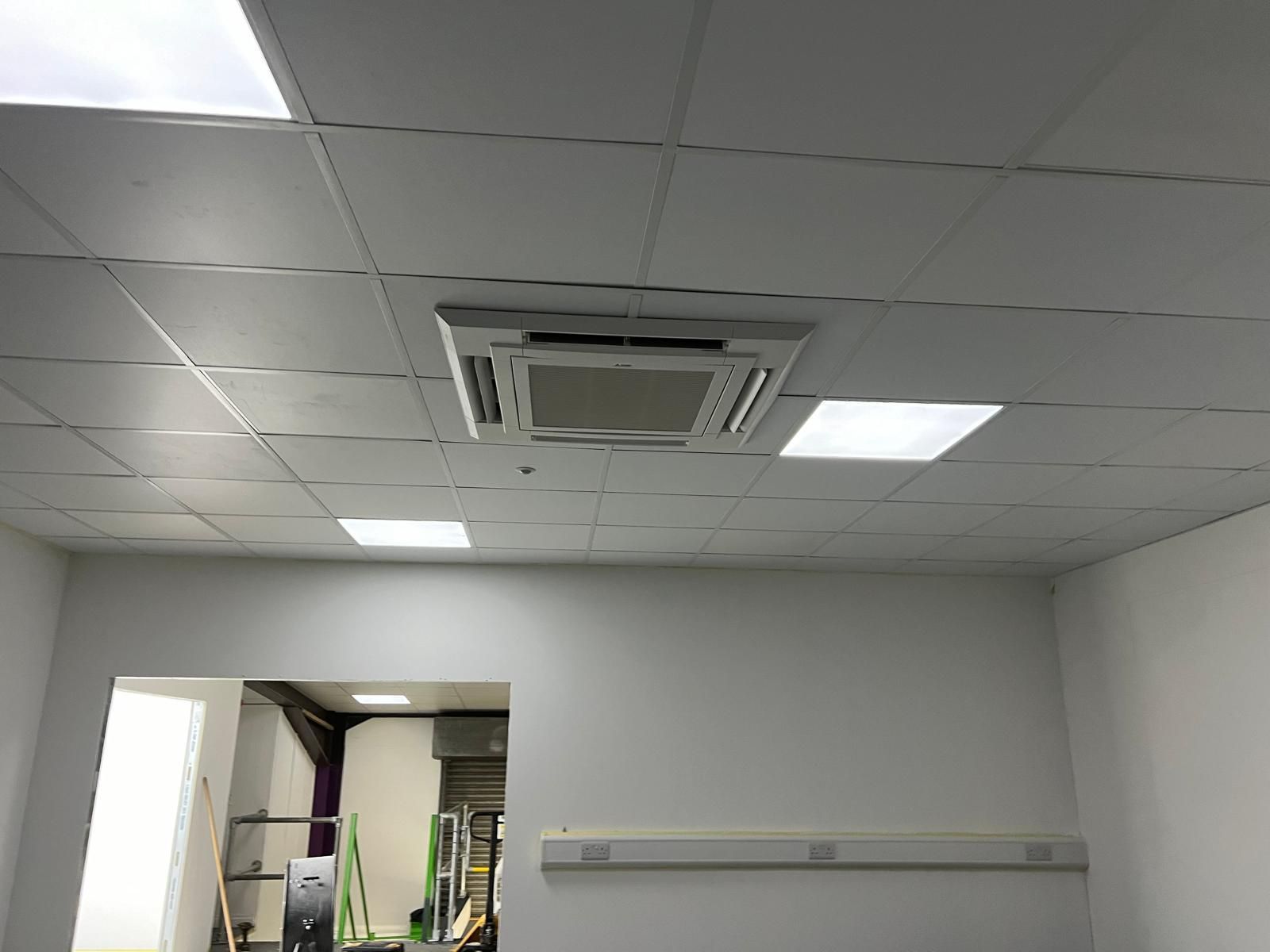
Across the UK, more schools are investing in energy efficient air conditioning as part of wider efforts to improve classroom comfort while controlling operating costs.
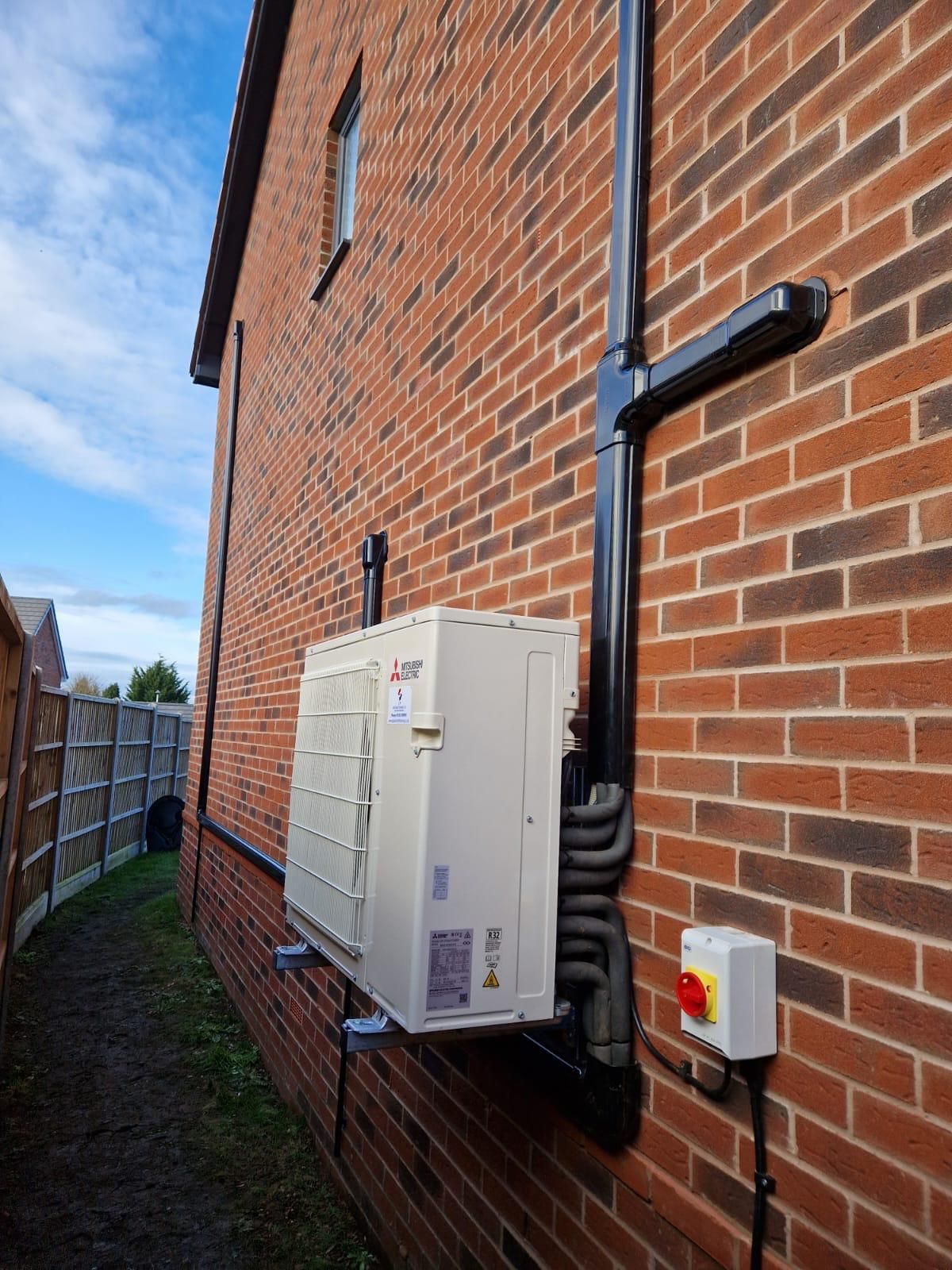
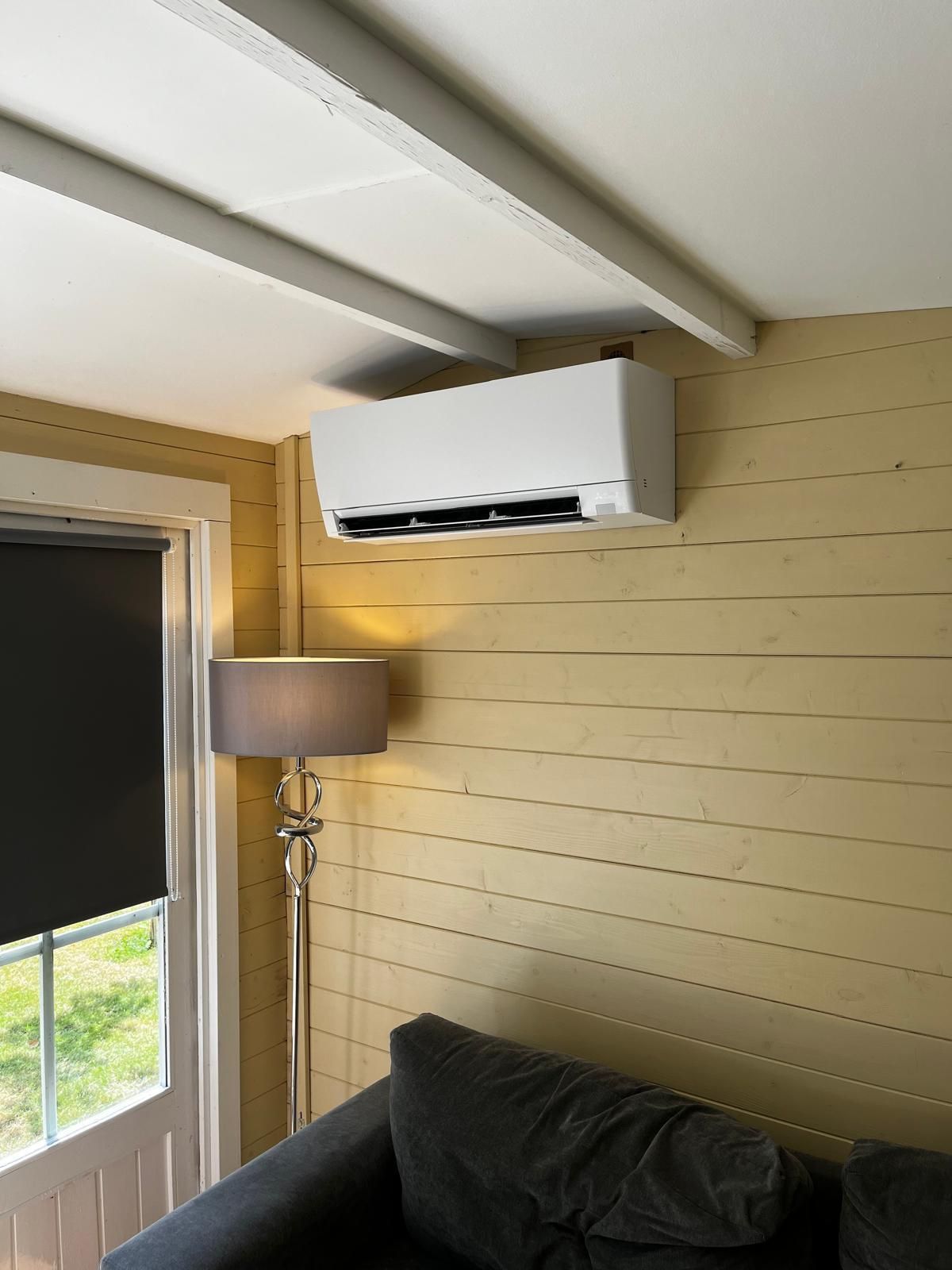
With rising electricity prices and increasing pressure to meet sustainability targets, education buildings need cooling systems that perform reliably without placing unnecessary strain on already limited budgets. A well-designed school air conditioning installation can improve learning environments while significantly reducing long-term energy consumption.
In modern classrooms, temperature control isn’t simply about comfort. Overheated spaces affect concentration, productivity and staff wellbeing. Ensuring stable, comfortable conditions throughout the school day has become a practical necessity.
The Impact of Classroom Temperature on Learning
When classrooms become too warm, focus drops quickly. Staff fatigue increases, behaviour becomes harder to manage, and productivity declines.
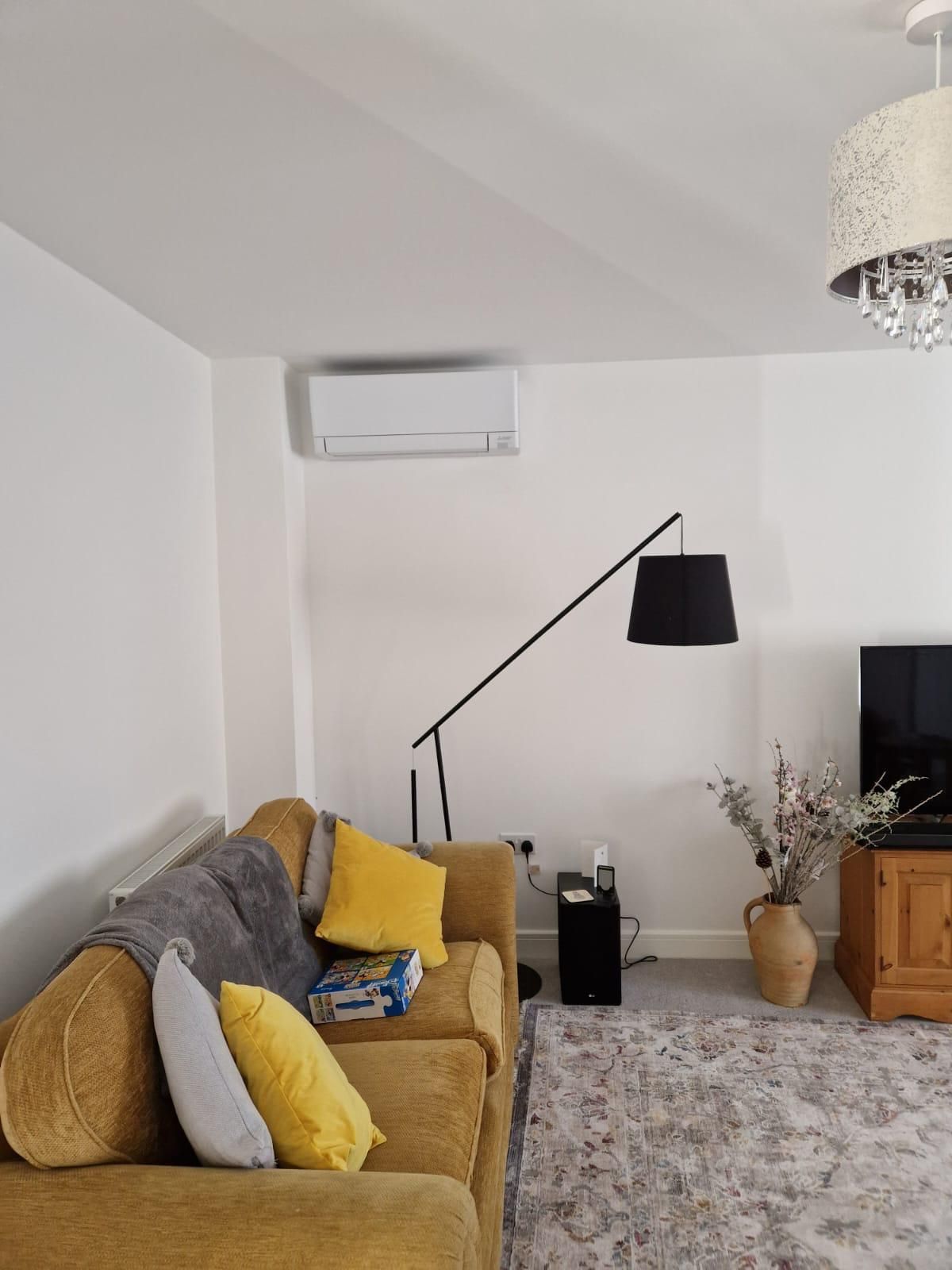
Many older school buildings were never designed with modern cooling requirements in mind. Large south-facing windows, limited airflow and outdated heating systems can make temperature regulation difficult. Installing commercial air conditioning in schools helps create a stable learning environment, particularly during warmer months when natural ventilation alone isn’t sufficient. However, energy efficiency must be built into the system from the start to avoid increasing running costs.
What Makes Air Conditioning Energy Efficient in Schools?
True efficiency goes far beyond simply installing new equipment. It starts with correct system design.
Proper sizing is essential. An oversized system wastes electricity, while an undersized one runs constantly at maximum output. Load calculations based on classroom size, occupancy and building layout ensure the equipment matches the school’s actual cooling needs.
Modern inverter-driven systems improve efficiency by adjusting output automatically rather than switching fully on and off. This reduces electricity usage while maintaining consistent temperatures throughout the building.
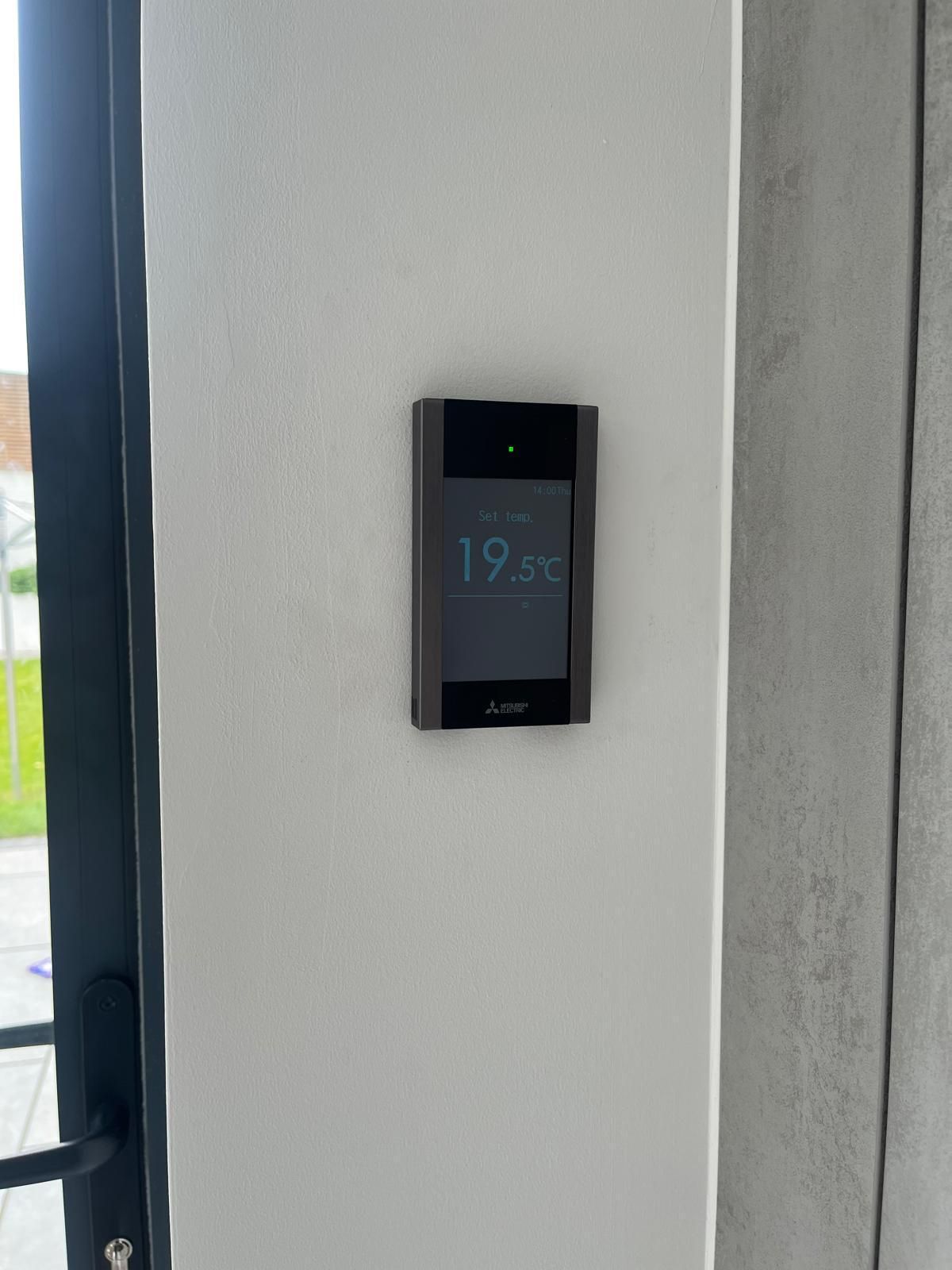
Zoning is another important factor. Schools operate on structured timetables, and not every room is used at the same time. Intelligent zoning and smart controls allow cooling only where needed, preventing unnecessary energy waste.
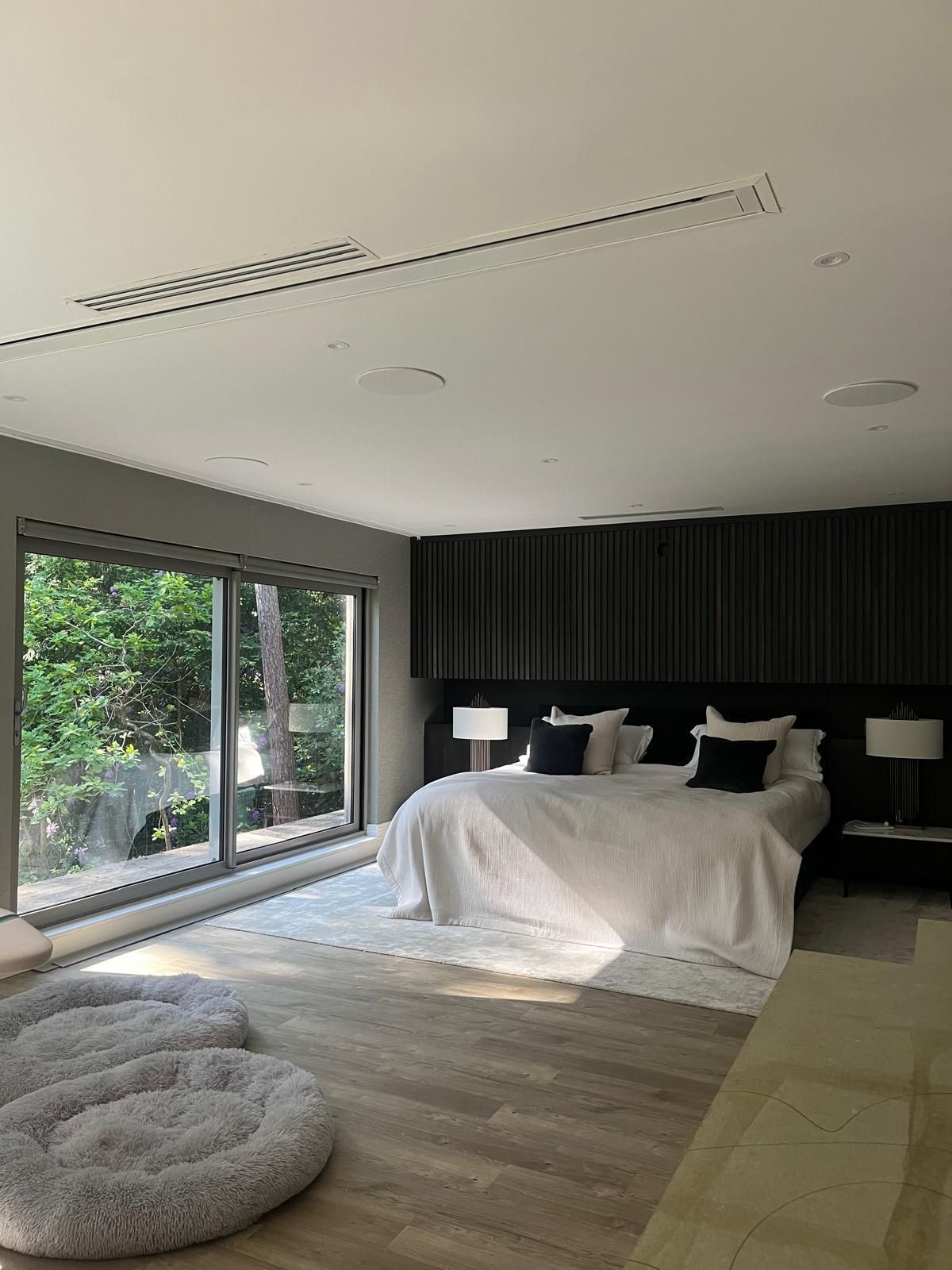
When air conditioning is integrated with well-designed ventilation systems, overall performance improves even further. Balanced airflow reduces system strain and supports healthier indoor air quality.
Reducing Running Costs in Education Buildings
One of the main concerns with installing air conditioning in schools is long-term energy cost.
In practice, a properly designed energy efficient system often performs better than older electric heaters or portable cooling units. Outdated equipment frequently consumes more electricity while delivering inconsistent results. Newer systems can support lower electricity usage, improved building performance ratings and more predictable operational costs. Over time, this creates a more stable budget for estates managers and school leadership teams. In addition, modern systems are designed to work year-round. Heat pump technology allows schools to benefit from both cooling in summer and efficient heating during colder months, reducing reliance on less efficient heating methods.
Supporting Sustainability Goals in Schools
Sustainability has become an important consideration for both public and private education providers.
Energy efficient air conditioning can contribute to broader environmental objectives by lowering carbon emissions and reducing overall energy demand. Many systems now use refrigerants with lower global warming potential, alongside improved heat recovery technologies.
By investing in sustainable cooling solutions, schools can improve comfort while demonstrating commitment to responsible energy use. For new builds or refurbishment projects, integrating efficient HVAC systems from the outset simplifies long-term compliance and futureproofs the building.
When Should a School Consider Upgrading Its System?
Some schools are still operating systems that were installed years ago, long before efficiency standards improved significantly. An upgrade may be worth considering if classrooms struggle to maintain temperature, if electricity bills are steadily rising, or if maintenance issues are becoming more frequent. Older systems often run continuously at high output, which increases wear and reduces efficiency.
Replacing outdated equipment with modern, energy-conscious systems can dramatically improve performance and reduce long-term operational strain.
Why Installation Quality Matters
Even the most advanced equipment will underperform if poorly installed.
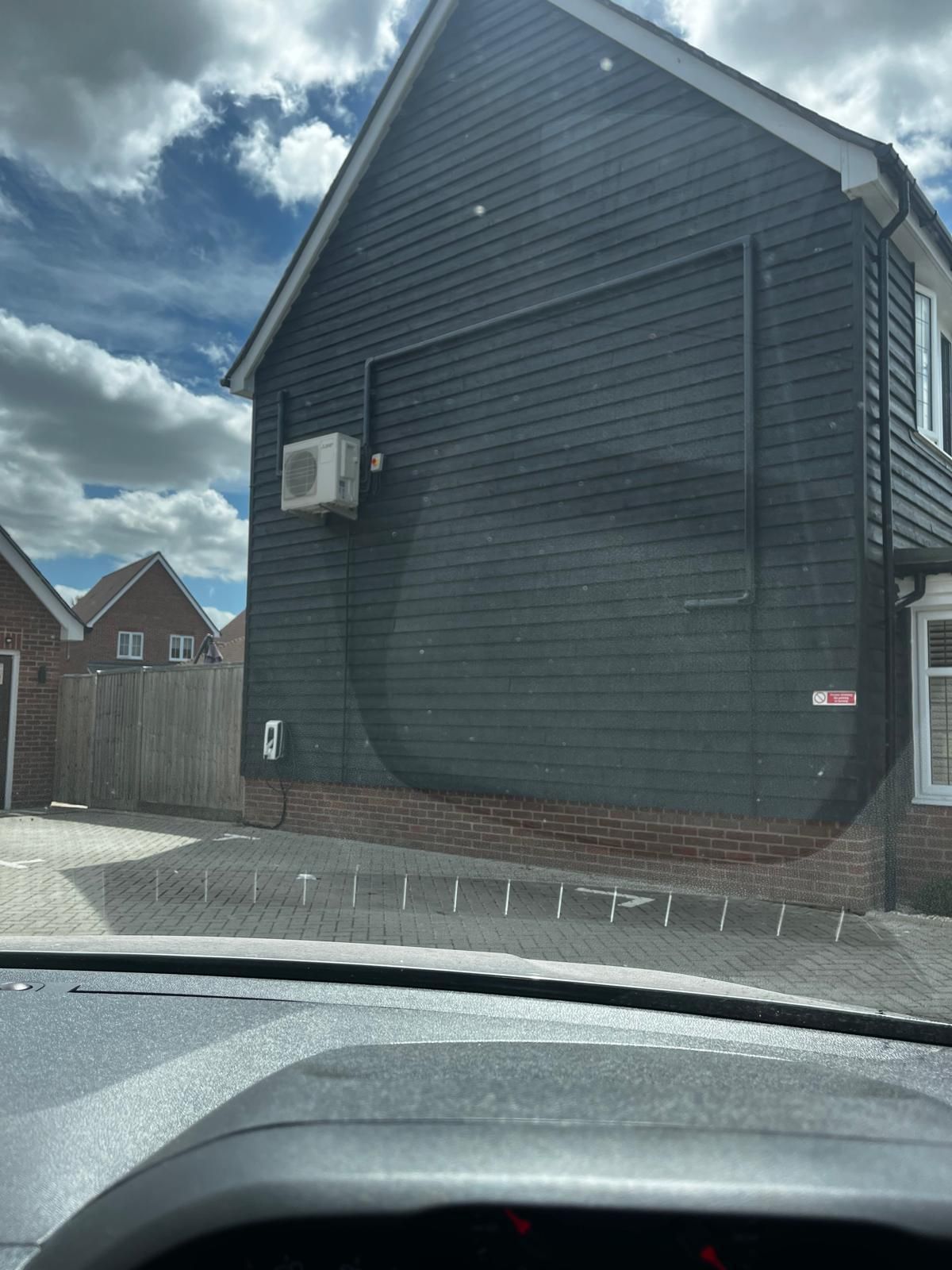
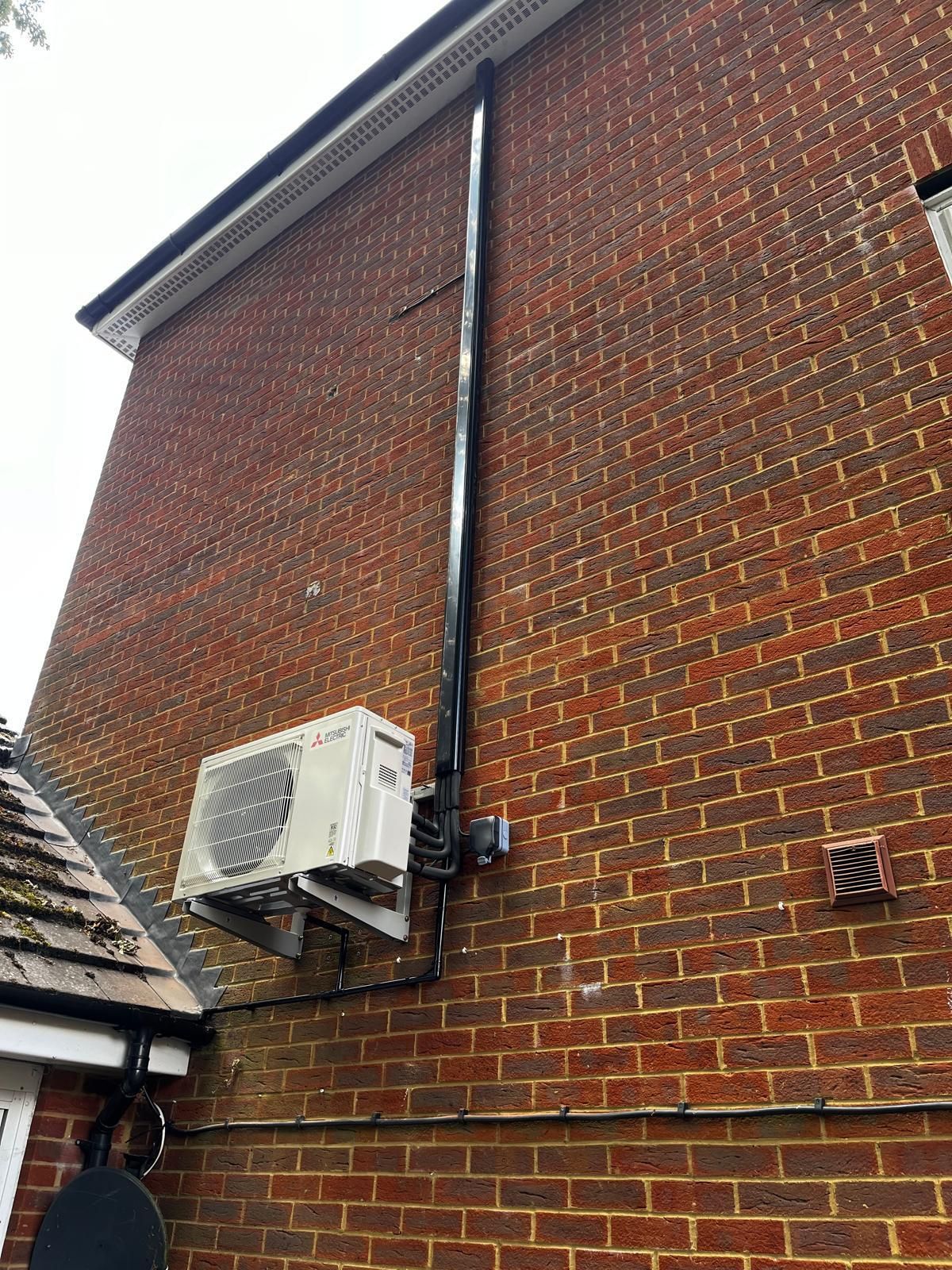
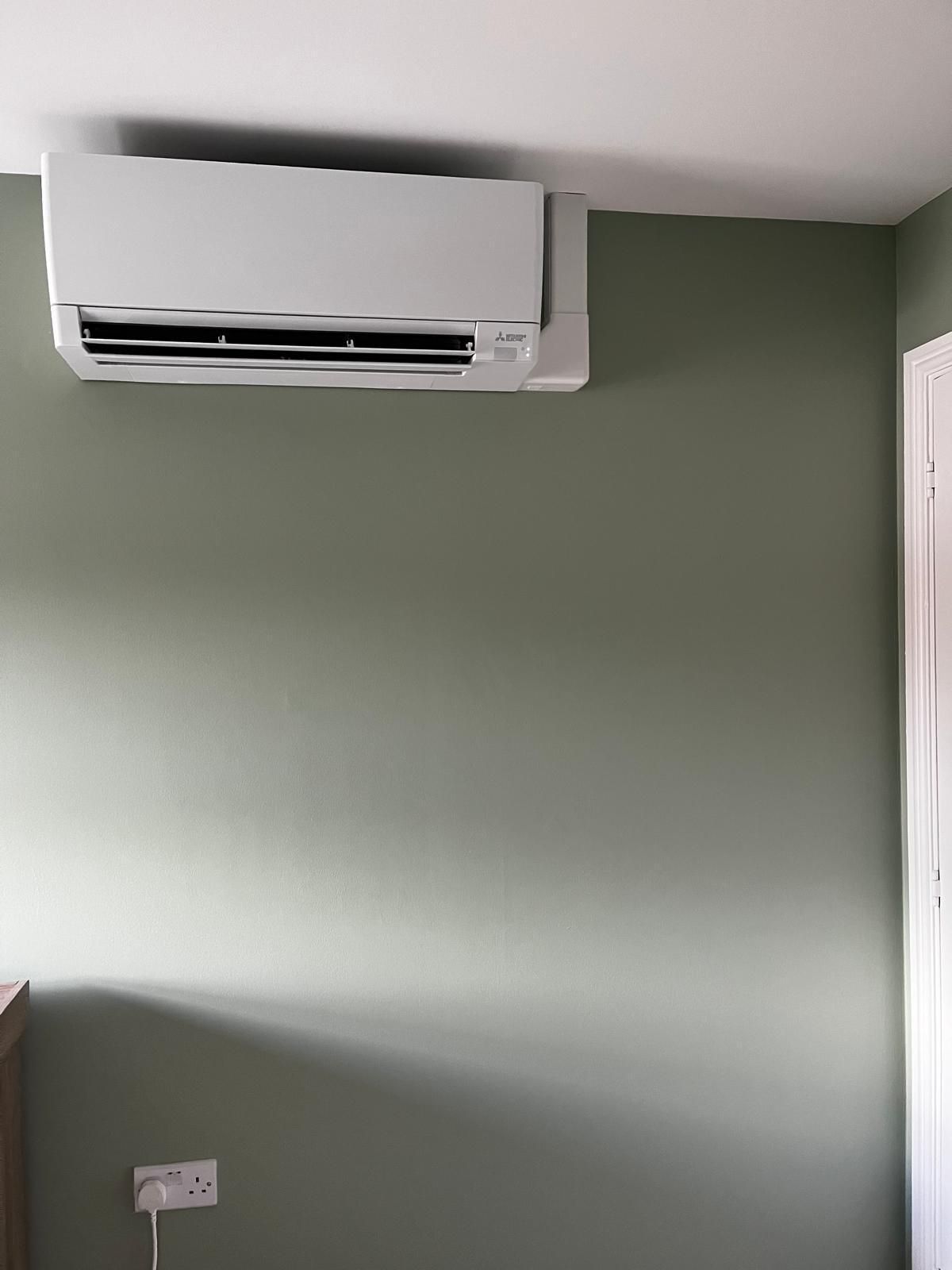
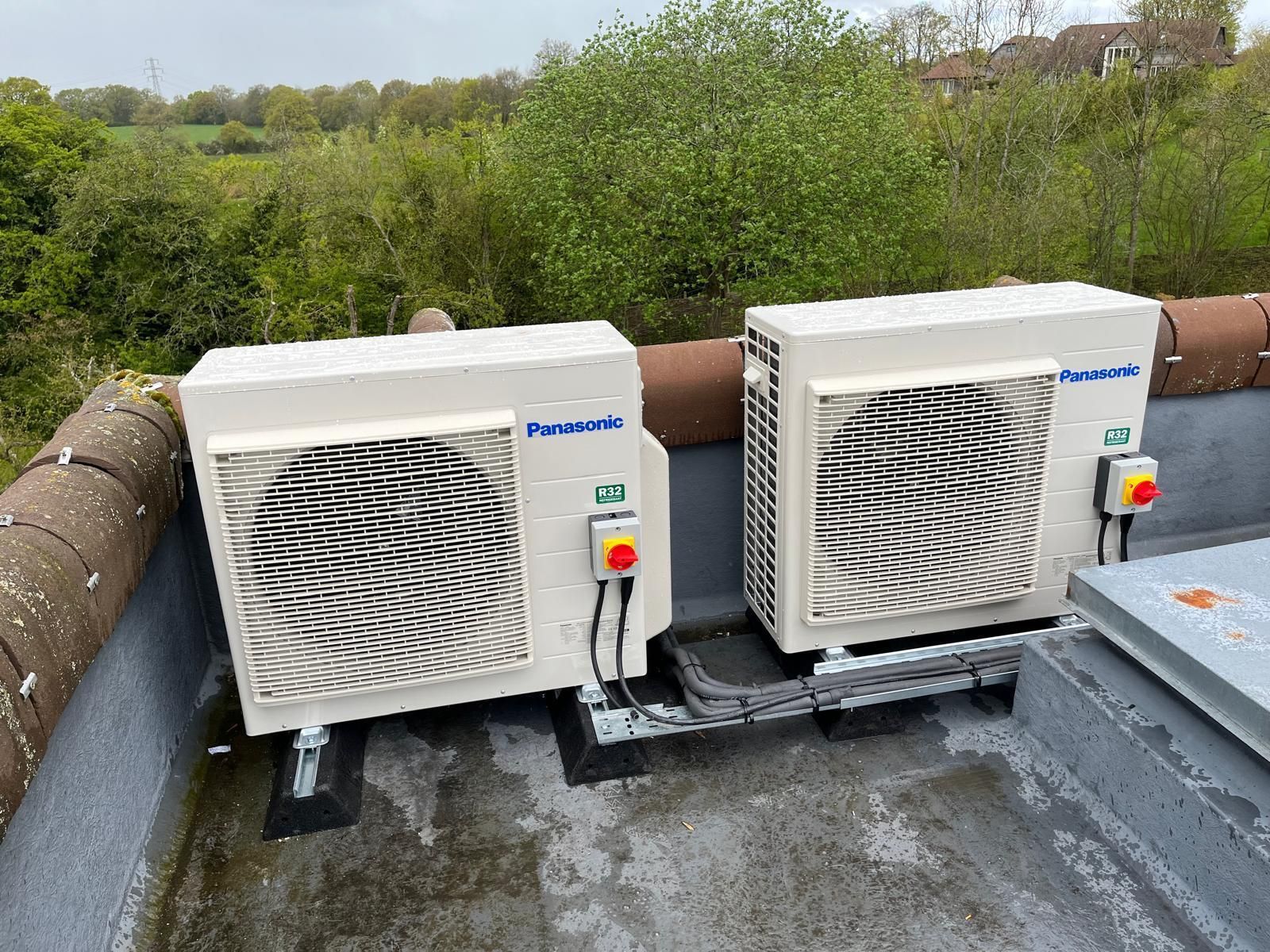
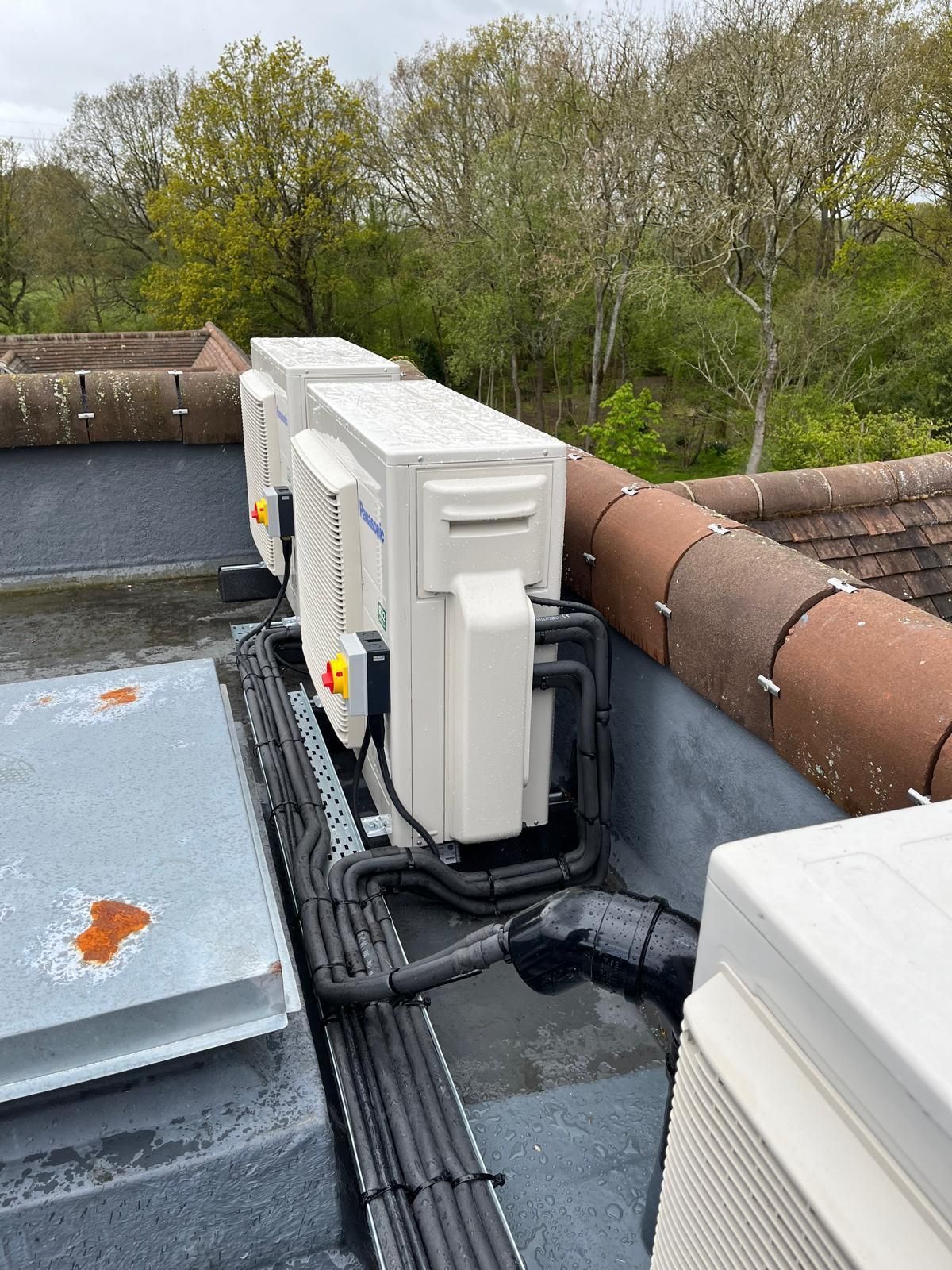
Correct positioning, airflow balancing and professional commissioning are essential to achieving the efficiency benefits promised by modern systems. Installation-led planning ensures that cooling and ventilation systems operate smoothly, with minimal strain and simplified maintenance requirements in the future.
A well-installed system supports comfort, efficiency and reliability from day one.
Planning Energy Efficient Air Conditioning for Your School
Every education building is different. Classroom layout, occupancy levels, insulation, ventilation infrastructure and budget constraints all influence system design.
A tailored approach ensures the system meets performance expectations without overspending. By focusing on efficiency, zoning and integration with ventilation, schools can achieve comfortable learning environments while maintaining control over running costs.
If you’re considering air conditioning installation or an upgrade for your school, early consultation ensures the solution is designed around your building’s specific needs.
At JP Air Conditioning, we design and install commercial air conditioning systems for schools across Hampshire, Surrey and surrounding areas, with a focus on energy efficiency, compliance and long-term reliability.
To discuss your project, call 01252 929395 or visit www.jpairconditioning.co.uk.