What Are the Ventilation Requirements for Dental Practices and Healthcare Clinics in the UK?
Why Ventilation Is Critical in Healthcare Settings
In dental practices and healthcare clinics, ventilation is not simply about comfort — it is fundamental to infection control, regulatory compliance and patient safety.
Healthcare environments require carefully designed ventilation systems to maintain air quality, manage airborne contaminants and ensure a safe environment for both staff and patients. Unlike many commercial buildings, medical settings operate under stricter expectations for airflow, particularly in treatment rooms.
Understanding ventilation requirements early helps ensure a building meets professional standards while avoiding costly retrofits later.
Ventilation Requirements for Dental Practices in the UK
Dental surgeries, particularly those performing aerosol-generating procedures, require effective air movement and extraction. Air changes per hour (ACH) are an important consideration, as they determine how frequently the air within a room is refreshed.
A compliant ventilation system for a dental practice must provide adequate fresh air supply while extracting stale or potentially contaminated air. Simply relying on natural ventilation through windows is rarely sufficient, especially in internal treatment rooms.
Mechanical ventilation systems are typically required to achieve consistent and measurable airflow. These systems are designed to maintain proper circulation while supporting temperature control when integrated with air conditioning.
In addition, airflow direction and pressure balancing can play a role in preventing contaminated air from moving between treatment areas and other parts of the building.
Healthcare Ventilation Requirements Beyond Dentistry
Ventilation standards extend beyond dental clinics to GP surgeries, specialist medical centres, private healthcare facilities and treatment rooms.
In these environments, air quality directly impacts patient wellbeing and clinical outcomes. Poor ventilation can contribute to discomfort, odour build-up and increased airborne pollutants.
A professionally designed healthcare ventilation system ensures that fresh air is continuously introduced while stale air is removed, supporting both compliance and day-to-day comfort.
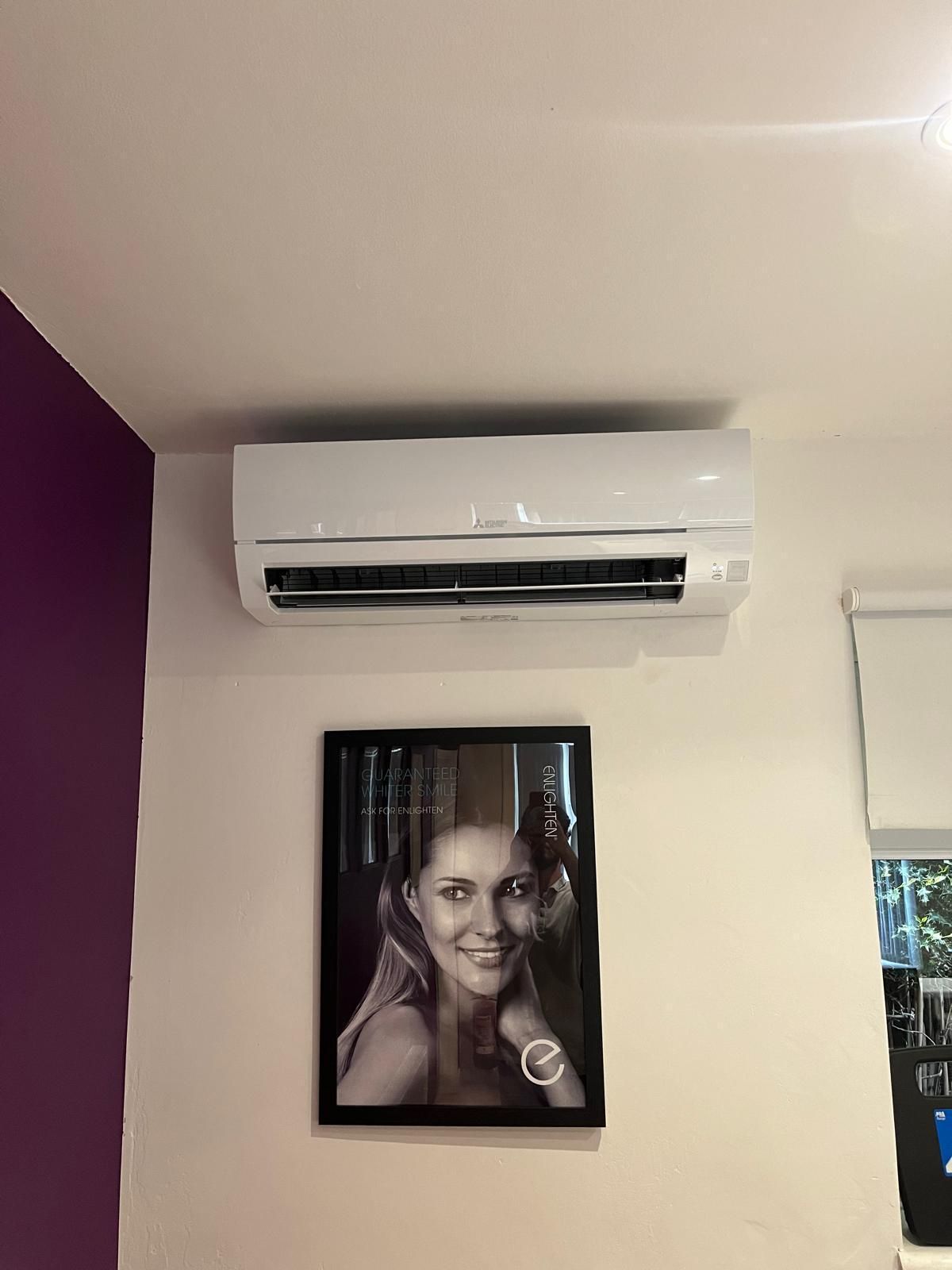
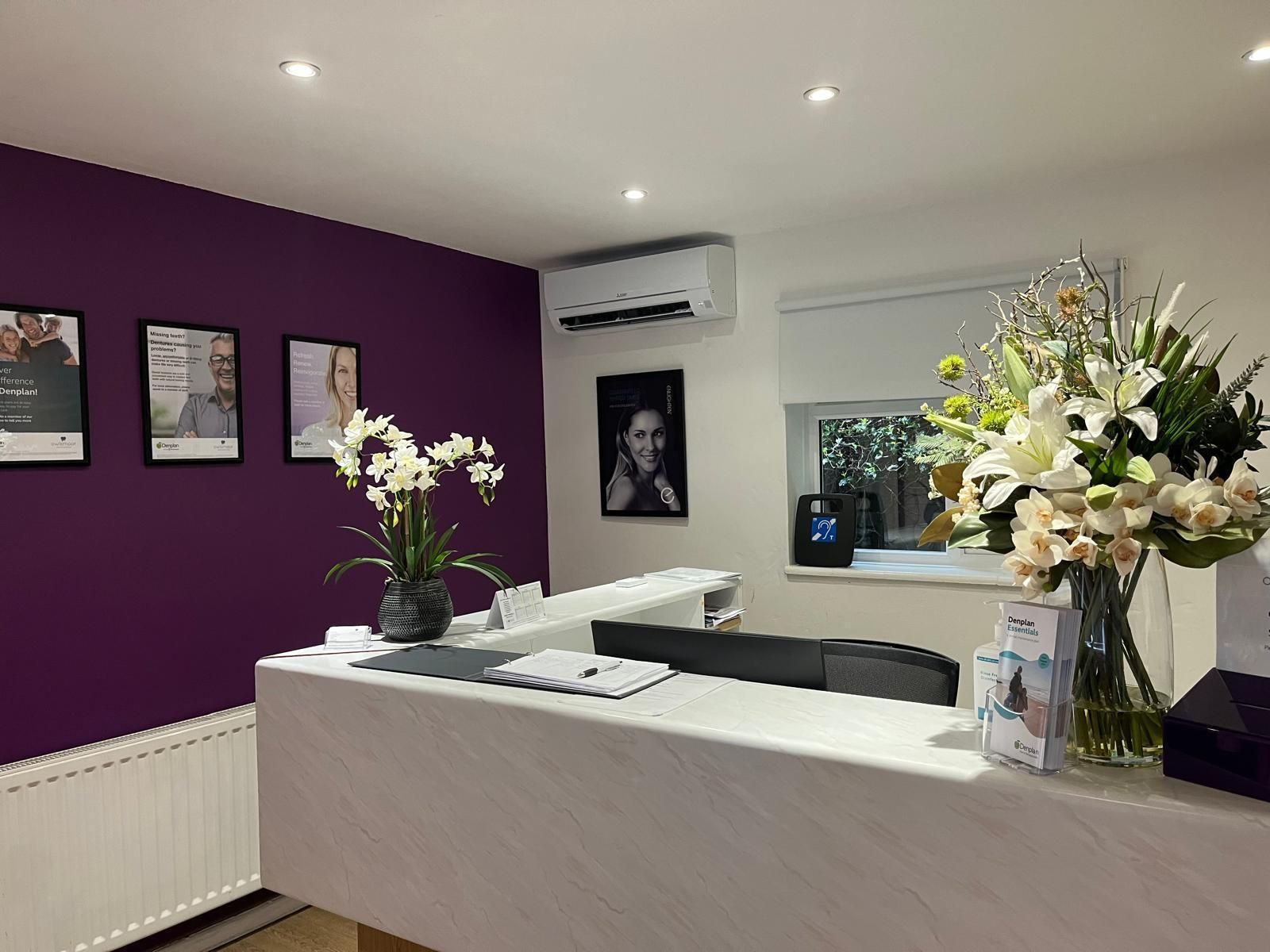
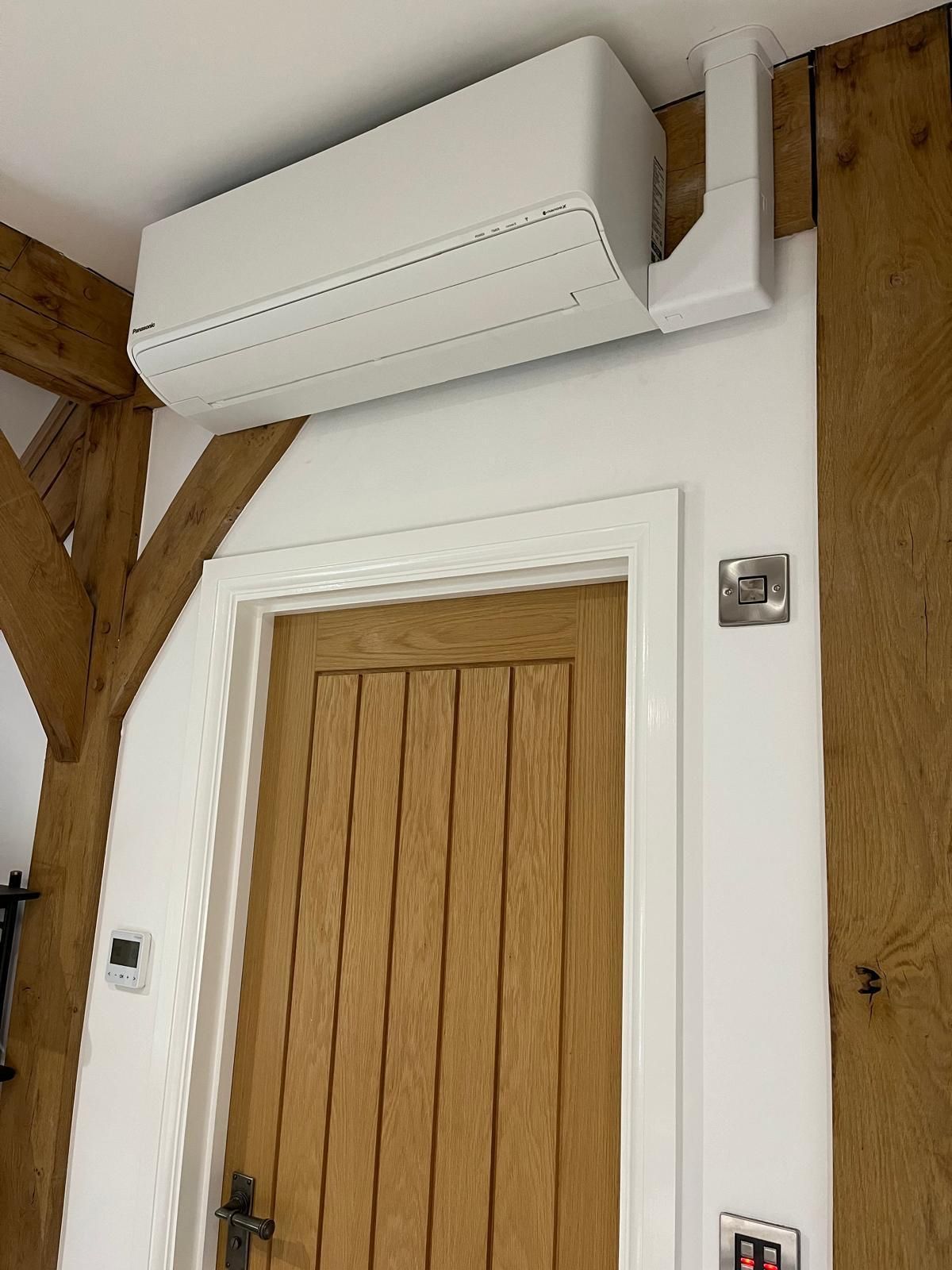
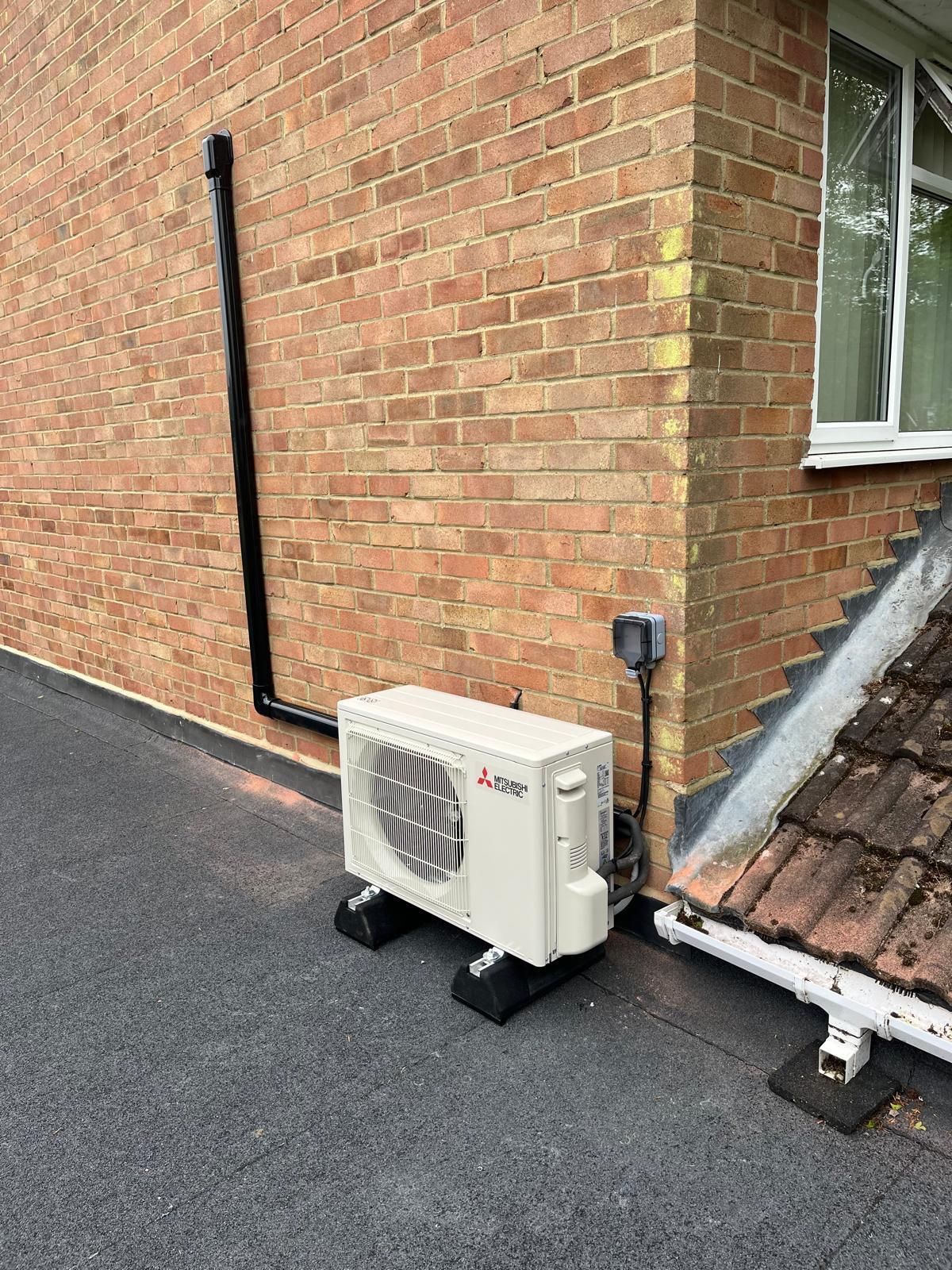
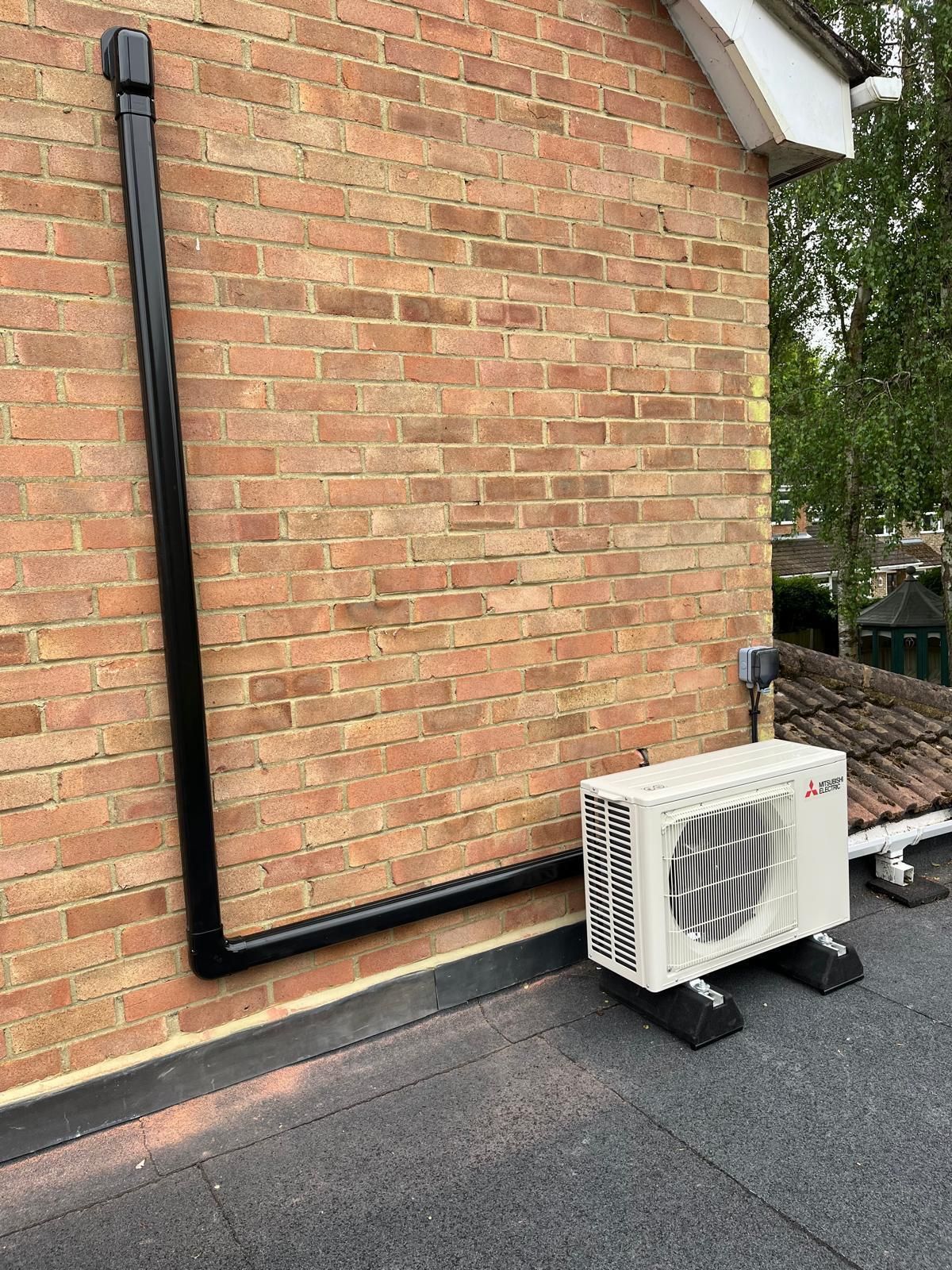
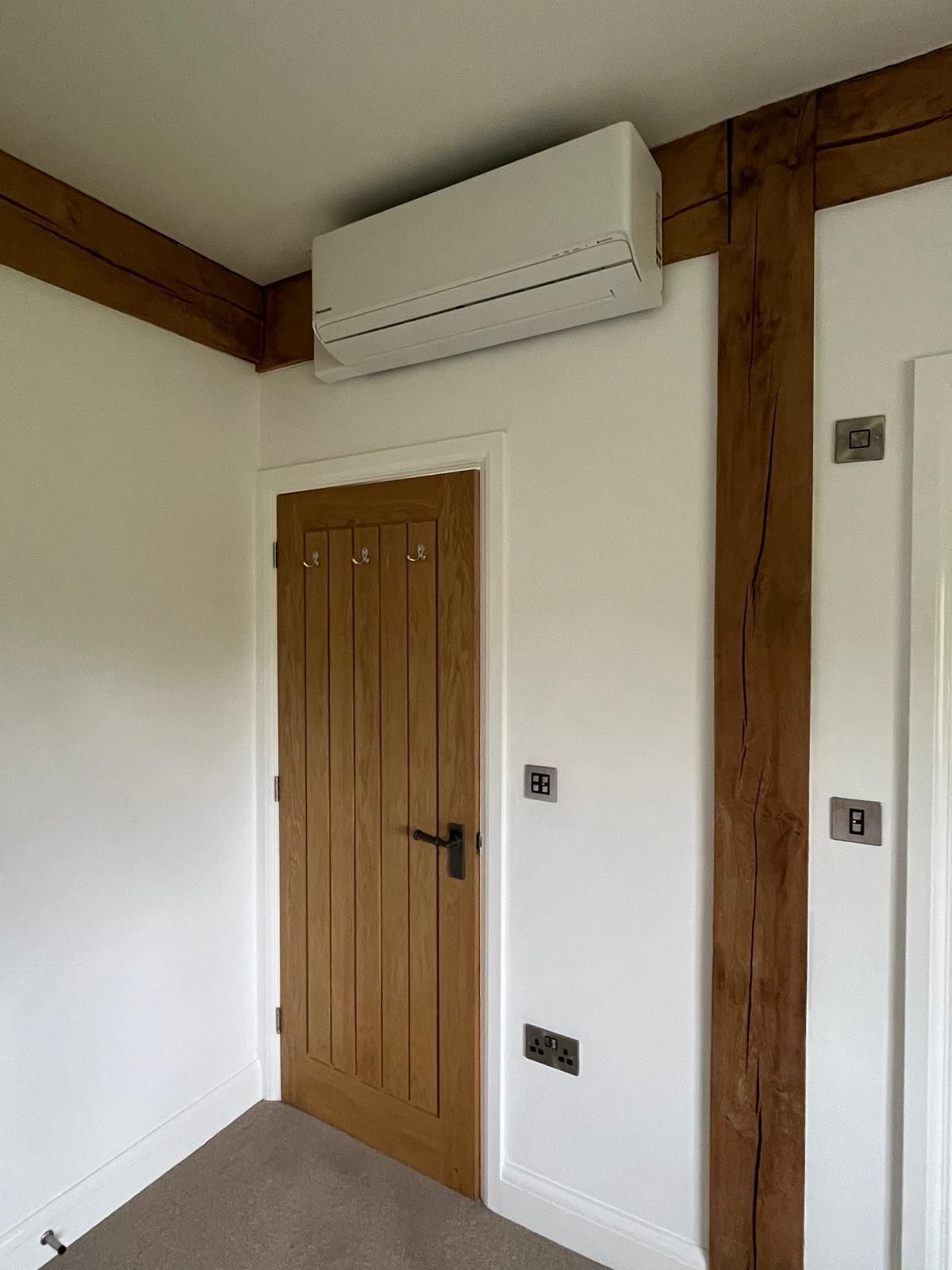
When combined with commercial air conditioning installation, ventilation creates a controlled indoor climate that maintains temperature stability without compromising air quality.
Why Air Conditioning Alone Is Not Enough
It is a common misconception that installing air conditioning solves ventilation concerns.
Air conditioning systems are designed to regulate temperature and humidity, but most recirculate indoor air rather than replace it. In healthcare environments, this distinction is critical.
Proper ventilation introduces fresh air and extracts contaminants, while air conditioning conditions that air to maintain consistent comfort. Together, they form a complete indoor climate solution suitable for medical settings.
Energy Efficient and Sustainable Ventilation for Healthcare Buildings
Modern healthcare facilities are increasingly focused on sustainability and energy performance. Sustainable ventilation systems for healthcare buildings are designed to deliver consistent airflow while minimising energy consumption.
Heat recovery technologies allow fresh air to be introduced without excessive heat loss, improving overall efficiency. This not only reduces operational costs but also supports environmental objectives and long-term building performance.
By integrating energy-efficient ventilation with modern air conditioning systems, healthcare providers can maintain high standards of indoor air quality without significantly increasing energy demand.
When Should a Healthcare Facility Upgrade Its Ventilation?
Older healthcare buildings may be operating systems that no longer align with current expectations for airflow and efficiency.
An upgrade may be appropriate if treatment rooms feel poorly ventilated, if condensation or odours are persistent, or if energy usage appears excessive. Improvements in technology mean that modern systems can achieve better airflow control while consuming less energy.
Planning a ventilation upgrade as part of a broader commercial HVAC installation project often results in better long-term performance and simplified maintenance.
The Importance of Professional Design and Installation
Ventilation systems for healthcare environments must be designed around the building’s specific layout, usage patterns and regulatory context.
Correct ductwork design, airflow balancing and commissioning ensure the system performs as intended from day one. Installation quality has a direct impact on efficiency, reliability and future servicing requirements.
When ventilation and air conditioning systems are planned together, they operate more effectively and are easier to maintain over time.
Planning Ventilation Installation for Your Dental Practice or Clinic
If you are reviewing ventilation requirements for a dental practice or healthcare clinic, careful planning is essential.
Every building has unique characteristics, from room configuration to occupancy levels. A tailored solution ensures compliance while supporting comfort and energy efficiency.
At JP Air Conditioning, we design and install commercial ventilation and air conditioning systems for healthcare facilities across Hampshire, Surrey and the surrounding areas. Our approach focuses on compliance, sustainability and long-term reliability.
For guidance on ventilation installation or system upgrades, call 01252 929395 or visit www.jpairconditioning.co.uk.