How to Choose the Right Air Conditioning System for Open-Plan Offices

Understanding Cooling Requirements in Open-Plan Workspaces

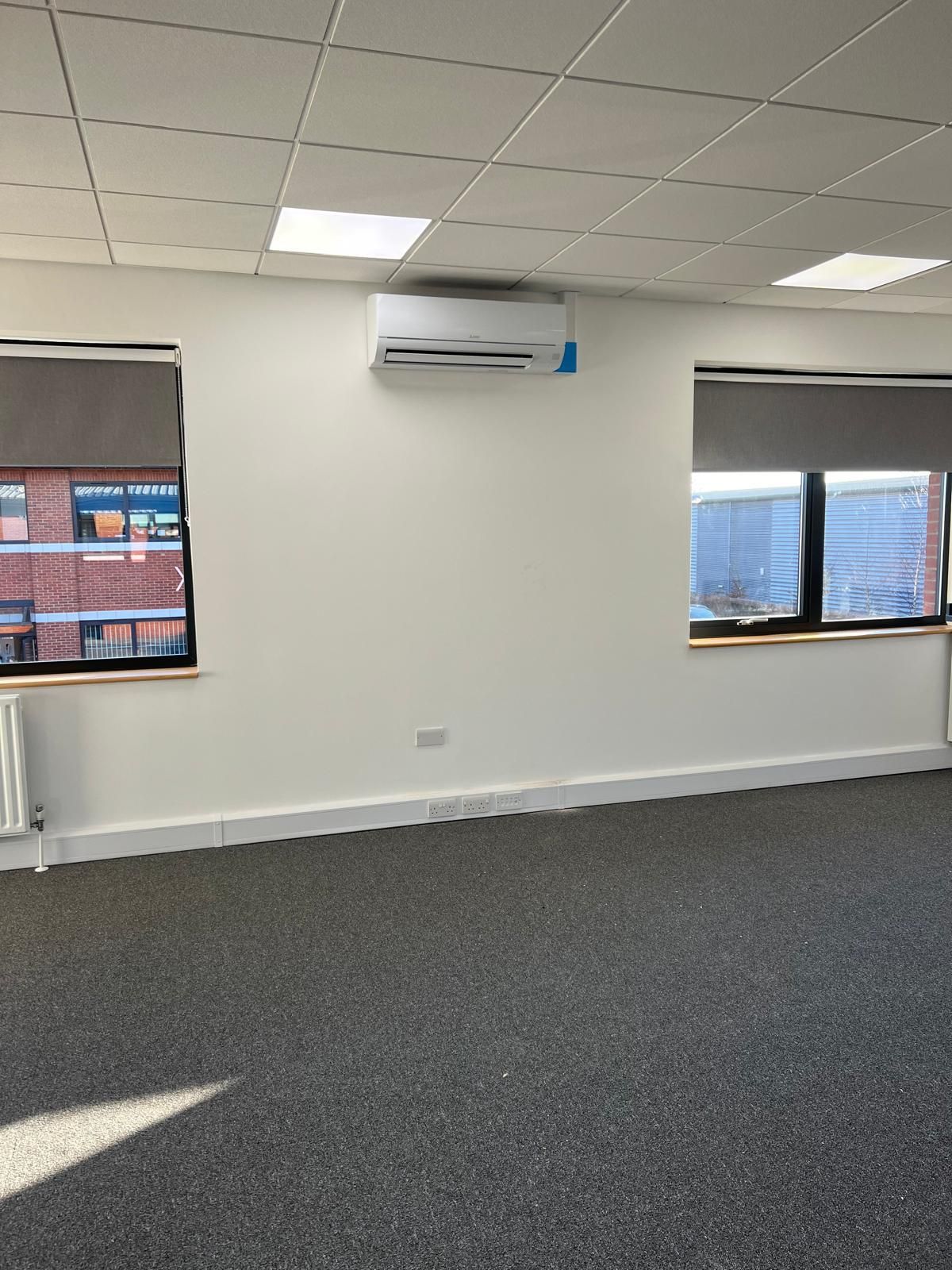
Choosing the right air conditioning system for open-plan offices is essential for maintaining a comfortable and productive working environment. Unlike smaller enclosed spaces, open-plan offices present unique challenges due to their size, layout and high occupancy levels.


Large open areas require consistent airflow and even temperature distribution, which means that standard systems may not always be sufficient. Without the right solution, businesses can experience uneven cooling, poor air circulation and reduced overall comfort.


What Type of Air Conditioning System Is Best for Open-Plan Offices?

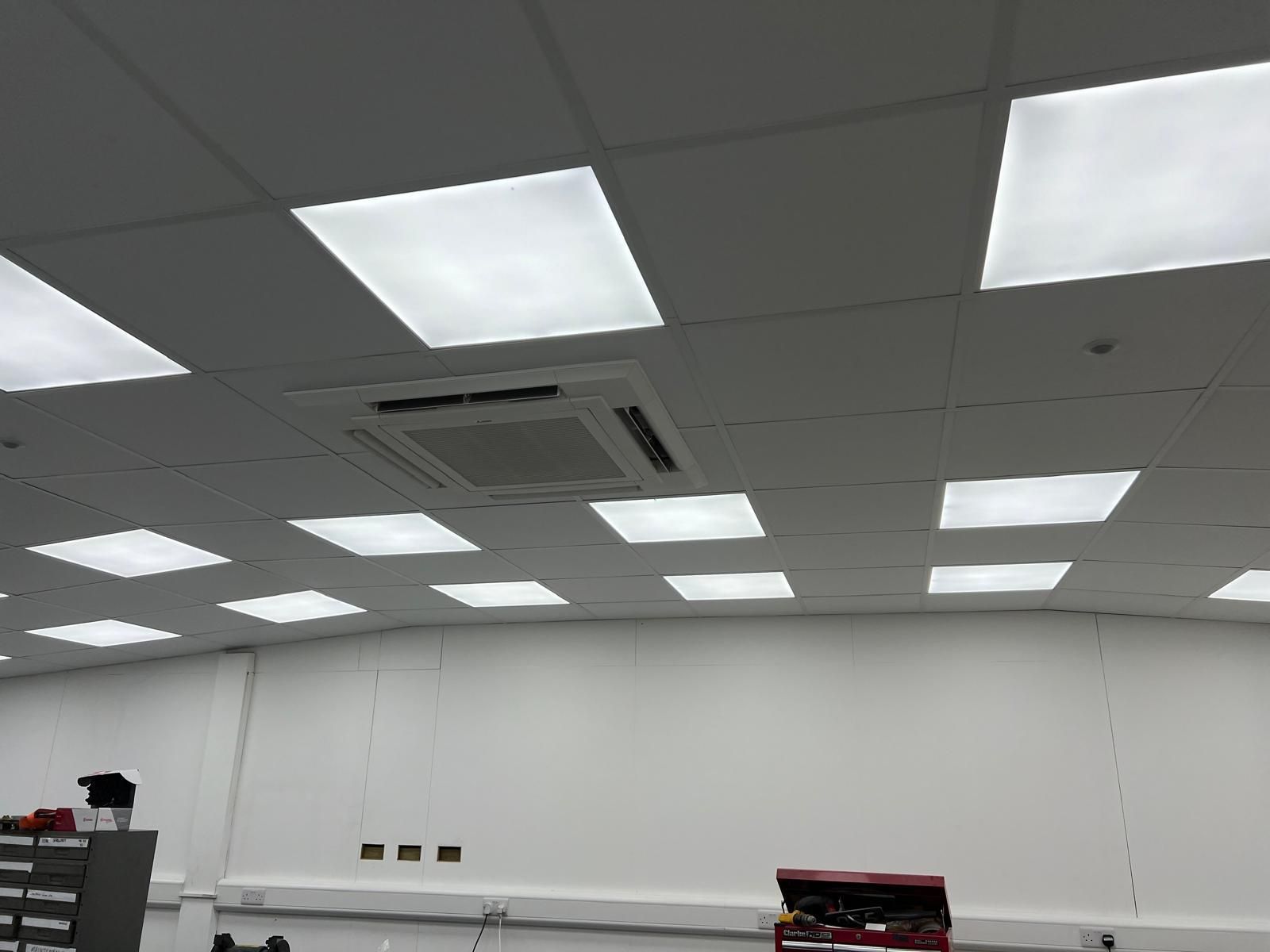
The best air conditioning system for open-plan offices will depend on the size of the space, the number of occupants and the level of daily usage. Larger offices often benefit from advanced commercial air conditioning systems that are designed to manage high demand and maintain consistent performance.


VRF and multi-zone systems are commonly used in open-plan environments because they allow different areas to be controlled independently. This ensures that cooling can be adjusted based on occupancy and usage, improving both comfort and energy efficiency.


For smaller open-plan offices, multi-split systems may be suitable, provided they are correctly specified to handle the overall heat load.


Why Is Airflow Important in Open-Plan Office Cooling?

Airflow plays a critical role in open plan office cooling. In large spaces, it is not enough to simply reduce temperature; air must be distributed evenly to prevent hot and cold spots.


Poor airflow can result in certain areas becoming uncomfortable, particularly in zones with higher occupancy or increased equipment usage. This can lead to inconsistent working conditions and reduced productivity.


Effective office HVAC systems are designed to optimise airflow, ensuring that cool air reaches all areas of the workspace and maintains a balanced indoor environment.


How Do You Calculate the Right Air Conditioning Capacity for an Office?

One of the most common questions businesses ask is: what size air conditioning system does an office need? The answer depends on several factors, including floor space, ceiling height, number of occupants and the amount of heat generated by equipment.


An undersized system will struggle to maintain temperature, while an oversized system may operate inefficiently and lead to unnecessary energy consumption. Proper system design ensures that capacity is matched to demand, allowing for consistent and efficient performance.


A professional assessment is essential to determine the correct system size for open-plan office environments.


Do Open-Plan Offices Need Ventilation as Well as Air Conditioning?

Yes, ventilation is a key component of any effective office air conditioning system. While air conditioning regulates temperature, ventilation ensures that fresh air is circulated throughout the workspace.


In open-plan offices, where many people are working in a shared environment, proper ventilation helps maintain air quality, reduce humidity and create a more comfortable atmosphere.


Combining air conditioning with ventilation ensures that both temperature and airflow are managed effectively.


What Are the Benefits of Modern Office HVAC Systems?

Modern office HVAC systems are designed to deliver improved performance, energy efficiency and flexibility. These systems can adjust output based on occupancy levels, ensuring that energy is not wasted when demand is lower.


Zoning capabilities allow different areas of the office to be controlled independently, improving comfort across the workspace. In addition, newer systems are more energy-efficient, helping businesses reduce operational costs over time.


For open-plan offices, these features are essential for maintaining consistent conditions in a dynamic working environment.


Common Mistakes When Choosing Office Air Conditioning Systems

One of the most common mistakes businesses make is selecting a system based on cost alone, without considering long-term performance or suitability for the space. Choosing a system that is not designed for open-plan environments can lead to poor results and ongoing issues.


Another mistake is underestimating the importance of airflow and ventilation, which are critical for maintaining comfort in large spaces. Failing to plan for future growth or changes in office layout can also limit the effectiveness of the system over time.


Taking a strategic approach ensures that the system meets both current and future requirements.


Creating a Comfortable and Scalable Office Environment

Selecting the right air conditioning system for open-plan offices is about more than just cooling. It involves creating an environment that supports productivity, comfort and long-term efficiency.


By choosing the right system, ensuring proper airflow and incorporating ventilation, businesses can create workspaces that remain comfortable and adaptable as needs evolve.


A well-designed system provides reliable performance, helping to maintain consistent indoor conditions in even the busiest office environments.


Frequently Asked Questions

What is the best air conditioning system for open-plan offices?

VRF and multi-zone systems are often the best options, as they provide flexible temperature control and consistent performance across large spaces.


How do you cool a large open-plan office?


Cooling a large office requires a properly sized system with effective airflow design to ensure even temperature distribution throughout the space.


What size air conditioning system does an office need?

System size depends on factors such as floor space, occupancy and equipment usage. A professional assessment is recommended to determine the correct capacity.


Do open-plan offices need ventilation?

Yes, ventilation is essential for maintaining air quality, reducing humidity and ensuring a comfortable working environment.


Can modern HVAC systems improve office efficiency?

Yes, modern systems are more energy-efficient and adaptable, helping to reduce operating costs while improving performance.
Contact Us Today!
April 27, 2026
Why Office Air Conditioning Systems Develop Performance Issues Office air conditioning systems are essential for maintaining comfortable working environments, but over time they can develop a range of performance issues if not properly maintained. In busy office spaces, systems are often running for extended periods, which increases wear on components and reduces overall efficiency. Without regular servicing, small issues can develop into more serious faults, affecting temperature control, airflow and system reliability. Understanding the most common office air conditioning problems can help businesses take proactive steps to prevent disruption. What Are the Most Common Office Air Conditioning Problems? There are several common issues that affect office air conditioning systems. One of the most frequent problems is inconsistent temperature control, where some areas of the office feel too warm while others remain cool. Poor airflow is another issue, often caused by blocked filters or system imbalances, which prevents cool air from circulating effectively. Offices may also experience increased humidity levels, making the environment feel uncomfortable. In more serious cases, systems may develop faults that lead to breakdowns, resulting in unexpected downtime and disruption to daily operations. Why Do Office HVAC Systems Lose Efficiency Over Time? Office HVAC systems can lose efficiency over time due to the gradual build-up of dust and debris within components such as filters and coils. This restricts airflow and forces the system to work harder to maintain temperature. Wear and tear on mechanical components can also reduce performance, particularly in systems that are used continuously. Without regular maintenance, these issues can lead to higher energy consumption and reduced cooling effectiveness. Maintaining system efficiency is essential for controlling operational costs and ensuring consistent performance. How Does Regular Maintenance Prevent Air Conditioning Problems? Regular office air conditioning maintenance helps prevent problems by keeping systems clean, balanced and operating efficiently. During servicing, key components are inspected, cleaned and tested to ensure they are functioning correctly. This proactive approach allows potential issues to be identified early, before they develop into more serious faults. Regular maintenance also helps maintain airflow, improve system efficiency and extend the lifespan of the equipment. For office environments, where reliable performance is essential, routine servicing is a critical part of system management. How Often Should Office Air Conditioning Systems Be Serviced? A common question businesses ask is: how often should office air conditioning systems be serviced? In most cases, systems should be serviced at least twice per year to ensure optimal performance. However, offices with high occupancy levels or extended operating hours may require more frequent maintenance. Regular servicing ensures that systems are prepared for seasonal changes and continue to perform efficiently throughout the year. A tailored maintenance schedule helps ensure that servicing aligns with the specific needs of the office environment. Can Maintenance Reduce Energy Costs in Office Environments? Yes, regular maintenance can significantly reduce energy costs. When office air conditioning systems are properly maintained, they operate more efficiently and require less energy to achieve the desired temperature. Dirty or poorly maintained systems consume more energy, as they need to work harder to deliver the same level of performance. By keeping systems clean and well-maintained, businesses can reduce energy consumption and lower operating costs. This makes maintenance not only a practical requirement but also a cost-saving measure. Do Offices Benefit from Air Conditioning Maintenance Contracts? Many businesses choose to implement maintenance contracts to ensure that their systems are serviced regularly and consistently. These contracts provide a structured approach to maintenance, reducing the risk of unexpected breakdowns. Maintenance contracts often include scheduled servicing, system checks and priority support, ensuring that any issues are addressed quickly. For offices that rely on consistent climate control, this level of support can be highly beneficial. A maintenance contract provides peace of mind and helps ensure long-term system reliability. What Are the Risks of Ignoring Office Air Conditioning Issues? Ignoring air conditioning issues can lead to a number of problems, including reduced comfort, increased energy costs and system failure. Small faults that are left unresolved can develop into more serious issues, requiring costly repairs. In office environments, poor temperature control and airflow can also affect employee productivity and overall working conditions. This can have a direct impact on business performance. Addressing issues early and maintaining systems regularly helps avoid these risks and ensures a more stable working environment. Maintaining Reliable and Efficient Office Cooling Systems Keeping office air conditioning systems in good condition is essential for maintaining reliable performance and a comfortable working environment. Regular maintenance helps prevent common problems, improve efficiency and extend the lifespan of the system. By adopting a proactive approach to system care, businesses can ensure that their air conditioning continues to operate effectively, supporting productivity and long-term operational success. Frequently Asked Questions What are the most common office air conditioning problems? Common issues include inconsistent temperatures, poor airflow, high humidity and system breakdowns due to lack of maintenance. How often should office air conditioning systems be serviced? Most systems should be serviced at least twice per year, although high-usage environments may require more frequent maintenance. Can maintenance improve air conditioning efficiency? Yes, regular maintenance helps systems operate more efficiently, reducing energy consumption and improving performance. Do offices need air conditioning maintenance contracts? Yes, maintenance contracts provide structured servicing and help prevent unexpected breakdowns. What happens if office air conditioning is not maintained?  Systems may lose efficiency, develop faults and eventually fail, leading to higher costs and disruption to business operations.
April 27, 2026
Understanding Office Cooling Requirements and System Sizing Choosing the correct size air conditioning system for an office is essential for maintaining a comfortable and efficient working environment. Many businesses underestimate how important system sizing is, but selecting the wrong capacity can lead to performance issues, increased energy costs and inconsistent temperature control. Office air conditioning systems must be carefully matched to the specific demands of the space, taking into account factors such as occupancy, layout and equipment usage. A properly sized system ensures reliable performance and consistent indoor conditions throughout the day. What Size Air Conditioning System Does an Office Need? One of the most common questions businesses ask is: what size air conditioning system does an office need? The answer depends on a combination of factors rather than a single measurement. Key considerations include the total floor area, ceiling height and the number of people using the space. Offices with higher occupancy levels will generate more heat, increasing the demand on the system. In addition, equipment such as computers, lighting and office machinery contributes to overall heat load. A professional assessment is typically required to calculate the correct system capacity and ensure optimal performance. Why Is Correct Air Conditioning Sizing Important for Offices? Correct sizing is essential because both undersized and oversized systems can cause problems. An undersized system will struggle to maintain comfortable temperatures, particularly during peak usage periods, leading to poor performance and increased wear on components. On the other hand, an oversized system may cool the space too quickly without properly regulating humidity or airflow. This can result in inefficient operation and unnecessary energy consumption. Properly sized office HVAC systems provide balanced performance, ensuring consistent cooling while operating efficiently. What Factors Affect Office Air Conditioning System Size? Several factors influence the size of the air conditioning system required for an office. Floor space is one of the most obvious considerations, but it is not the only one. The number of occupants plays a significant role, as each person contributes to heat generation within the space. Equipment usage is another key factor, particularly in offices with multiple computers, servers or specialised equipment. Building layout and insulation also affect system performance. Open-plan offices, for example, require different airflow and capacity considerations compared to smaller partitioned spaces. Taking all of these factors into account ensures that the system is designed to meet real-world demands. How Do You Calculate Office Cooling Requirements? Office cooling requirements are typically calculated using a detailed assessment of the space. This includes measuring floor area, evaluating occupancy levels and estimating heat gains from equipment and lighting. Engineers may also consider external factors such as sunlight exposure and building insulation, as these can influence temperature levels throughout the day. The goal is to determine the total cooling load required to maintain comfortable conditions, ensuring that the system is neither underpowered nor excessive. Can the Wrong System Size Affect Energy Efficiency? Yes, choosing the wrong system size can significantly impact energy efficiency. An undersized system will need to work harder to maintain temperature, increasing energy usage and placing additional strain on components. An oversized system, while seemingly more powerful, may cycle on and off frequently, leading to inefficient operation and higher running costs. Correctly sized commercial air conditioning systems operate more efficiently, providing consistent performance while minimising energy consumption. Do Office Air Conditioning Systems Need Future-Proofing? When selecting an air conditioning system for an office, it is important to consider future needs as well as current requirements. Businesses may expand, increase occupancy or introduce additional equipment, all of which can affect cooling demand. Choosing a system with some flexibility or scalability can help accommodate these changes without requiring a complete system replacement. Modern office HVAC systems often include features that allow for adjustments over time, making them more adaptable to evolving business needs. Common Mistakes When Sizing Office Air Conditioning Systems One of the most common mistakes is relying on rough estimates rather than accurate calculations. This can lead to systems that are either too small or too large for the space. Another mistake is failing to consider all heat sources, such as equipment and lighting, which can significantly impact cooling requirements. Ignoring airflow and ventilation requirements can also result in poor system performance. Taking a detailed and professional approach to system sizing helps avoid these issues and ensures long-term reliability. Achieving Efficient and Reliable Office Cooling Selecting the correct size air conditioning system is essential for achieving efficient and reliable cooling in office environments. By carefully assessing the space and considering all relevant factors, businesses can ensure that their system is capable of delivering consistent performance. A properly sized system will provide better temperature control, improved energy efficiency and a more comfortable working environment, supporting productivity and long-term operational success. Frequently Asked Questions What size air conditioning system does an office need? The size depends on factors such as floor space, occupancy levels and equipment usage. A professional assessment is recommended to determine the correct capacity. How do you calculate office air conditioning capacity? Capacity is calculated based on cooling load, which includes factors like room size, number of occupants and heat generated by equipment. Can an air conditioning system be too big for an office? Yes, oversized systems can lead to inefficient operation, increased energy costs and poor humidity control. What happens if an office AC system is too small? An undersized system will struggle to maintain temperature, leading to poor performance and increased wear on the system. Does office layout affect air conditioning requirements?  Yes, open-plan and partitioned offices have different airflow and cooling requirements, which must be considered when sizing a system..
April 27, 2026
Understanding the Challenges of Cooling Busy Office Environments  Office air conditioning systems are designed to maintain comfortable working conditions, but in high-occupancy workspaces they can often struggle to perform effectively. Modern offices, particularly open-plan environments, generate significant heat due to the number of people, electronic equipment and continuous daily activity. Without the right system design and capacity, air conditioning for offices can become inconsistent, leading to uneven temperatures, poor airflow and reduced overall comfort. These issues are common in workplaces where systems are either undersized or not properly maintained. Why Do Office Air Conditioning Systems Struggle? There are several reasons why office air conditioning systems may struggle in high-demand environments. One of the most common issues is system capacity. If the system is not correctly sized for the space, it will be unable to cope with the heat load generated by occupants and equipment. Another key factor is airflow. In busy offices, poor airflow can prevent cool air from circulating effectively, leading to hot and cold spots across different areas. This is often more noticeable in open-plan offices where large spaces require consistent air distribution. In addition, systems that have not been regularly serviced may experience reduced efficiency, further impacting performance and increasing energy consumption. What Are the Most Common Office Air Conditioning Problems? Office air conditioning problems can vary depending on the environment, but several issues appear frequently in high-occupancy workspaces. These include inconsistent temperature control, where some areas of the office feel too warm while others remain cool. Poor airflow is another common issue, often caused by blocked filters, outdated systems or poor system design. This can lead to uncomfortable working conditions and reduced air quality. High humidity levels can also develop in busy offices, particularly if ventilation is insufficient. This can make the environment feel uncomfortable and affect overall workplace productivity. How Can You Improve Office Air Conditioning Performance? Improving the performance of office air conditioning systems starts with ensuring that the system is correctly specified for the space. This includes selecting the right capacity and system type to handle the demands of a high-occupancy environment. Airflow optimisation is also essential. Proper system design ensures that cool air is distributed evenly throughout the office, preventing hot spots and maintaining consistent conditions. Regular servicing plays a key role in maintaining performance. Clean filters, properly functioning components and well-maintained systems are far more efficient and reliable. In many cases, upgrading older systems to more modern, energy-efficient solutions can significantly improve performance while reducing operating costs. Do Office Air Conditioning Systems Need Regular Maintenance? Yes, regular maintenance is essential for ensuring that office air conditioning systems continue to operate effectively. Without routine servicing, systems can become less efficient over time, leading to increased energy usage and reduced cooling performance. Maintenance helps identify potential issues early, preventing breakdowns and ensuring that systems continue to deliver consistent results. For offices with high occupancy levels, this is particularly important, as demand on the system is much higher. A structured maintenance approach helps maintain system reliability and ensures that the working environment remains comfortable throughout the year. How Do Modern Office HVAC Systems Handle High Occupancy? Modern office HVAC systems are designed to manage fluctuating demand more effectively. Advanced systems can adjust output based on occupancy levels, ensuring that cooling is delivered where it is needed most. These systems often include zoning capabilities, allowing different areas of the office to be controlled independently. This helps maintain consistent temperatures across the workspace while improving energy efficiency. In addition, modern systems are designed to improve airflow and ventilation, ensuring better air quality in high-usage environments. Creating a Comfortable and Efficient Office Environment Ensuring that office air conditioning systems perform effectively in high-occupancy workspaces is essential for maintaining a productive and comfortable environment. By selecting the right system, improving airflow and maintaining regular servicing, businesses can overcome common performance issues. A well-designed and properly maintained system will deliver consistent temperature control, improved air quality and reliable performance, even in the busiest office environments. Frequently Asked Questions Why does office air conditioning struggle in busy workplaces? Office air conditioning systems can struggle when they are not correctly sized or when airflow is restricted, particularly in high-occupancy environments where heat levels are higher. What are the most common office air conditioning problems? Common issues include inconsistent temperatures, poor airflow, high humidity and reduced system efficiency due to lack of maintenance. How can I improve air conditioning performance in my office? Improving performance involves ensuring the system is correctly specified, optimising airflow and maintaining regular servicing to keep the system running efficiently. Do office air conditioning systems need regular servicing? Yes, regular servicing is essential to maintain efficiency, prevent breakdowns and ensure consistent performance in busy office environments. Can upgrading office HVAC systems improve efficiency? Yes, modern HVAC systems are more energy-efficient and better equipped to handle high occupancy levels, improving both performance and cost efficiency. At JP Air Conditioning , we design and install sustainable ventilation systems for gym and leisure centre buildings across Hampshire, Surrey and the surrounding areas. Our approach prioritises compliance, efficiency and long-term reliability. To discuss ventilation installation or system upgrades, call 01252 929395 or visit www.jpairconditioning.co.uk .
March 31, 2026
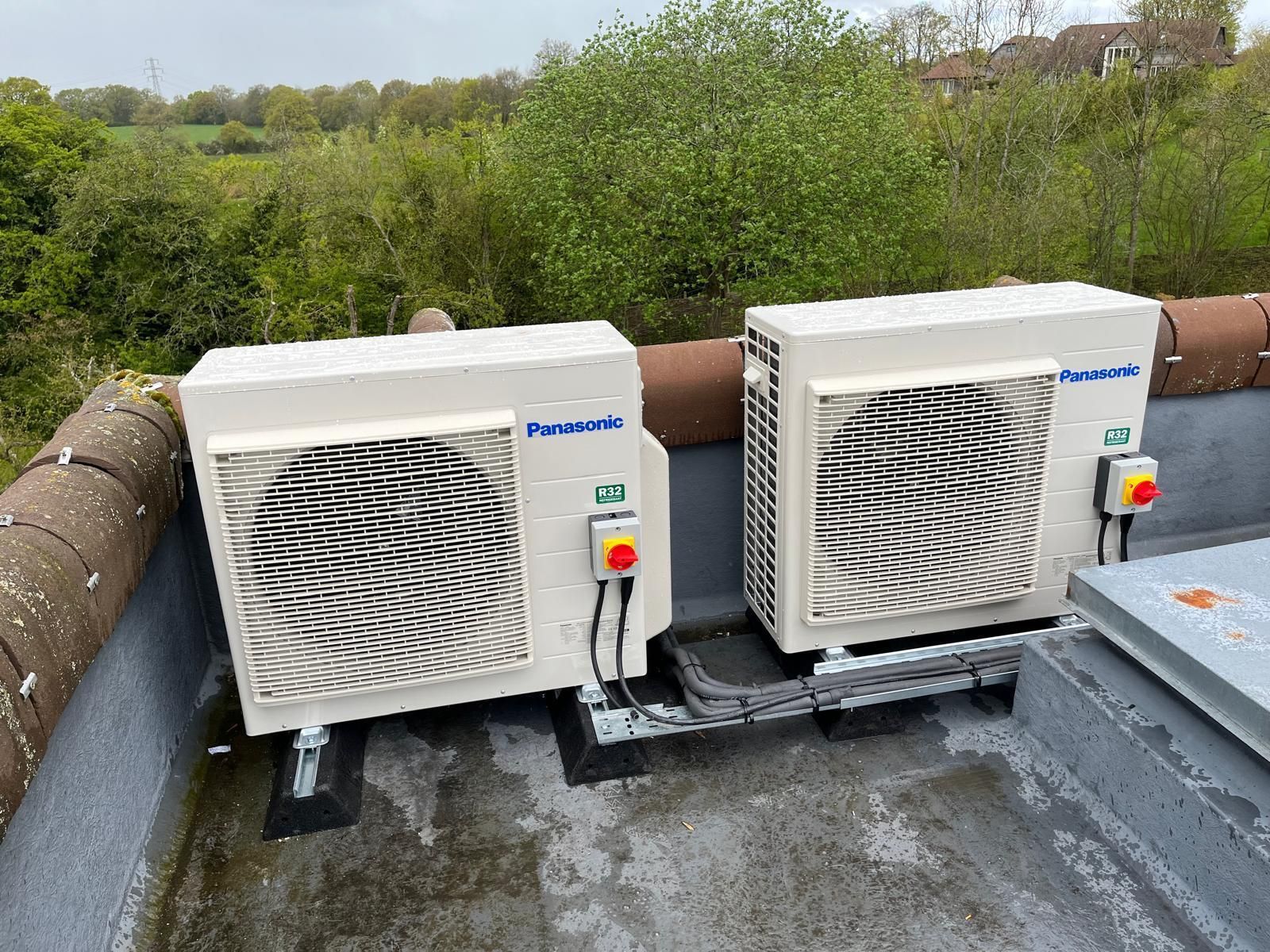
Planning Air Conditioning Installation for Gym Environments Gym air conditioning installation is essential for maintaining comfortable, well-regulated environments where customers can train effectively. Fitness centres generate high levels of heat and humidity, meaning systems must be designed to handle continuous demand and maintain consistent indoor conditions. Installing the right system ensures reliable temperature control, improved airflow and a more comfortable environment for both customers and staff throughout the day. How Much Does Gym Air Conditioning Installation Cost in the UK? The cost of gym air conditioning installation can vary depending on the size of the facility, the type of system selected and the complexity of the installation. Smaller gyms or studio spaces may require more straightforward systems, while larger fitness centres will need more advanced solutions capable of handling higher demand. In general, installation costs can range from several thousand pounds for smaller systems to significantly higher investments for large-scale or multi-zone installations. Factors such as system specification, layout and ventilation requirements will all influence the final cost. Although the initial investment can be substantial, a properly installed system can improve efficiency, reduce long-term operating costs and enhance the overall user experience. What Is Involved in Installing Air Conditioning in a Gym? The installation process begins with a detailed assessment of the facility, including layout, usage levels and cooling requirements. This ensures that the system is correctly specified to meet the demands of the environment. Once the appropriate system has been selected, installation involves fitting indoor and outdoor units, connecting pipework and electrical components, and configuring the system for optimal performance. Careful planning is required to ensure that installation is carried out efficiently and with minimal disruption to daily operations. Following installation, the system is tested and commissioned to confirm that it is operating correctly and delivering consistent performance. What Type of Air Conditioning System Is Best for Gym Installation? The most suitable system will depend on the size and structure of the gym. Smaller facilities may benefit from split or multi-split systems, which provide effective cooling while remaining relatively simple to install. Larger gyms and leisure centres typically require more advanced systems such as VRF units, which allow for precise temperature control across multiple zones. These systems are particularly effective in high-usage environments where consistent performance is essential. Choosing the right system ensures that cooling, airflow and energy efficiency are all optimised. Do Gyms Need Ventilation Alongside Air Conditioning? Yes, ventilation is an important part of any gym air conditioning installation. While air conditioning systems regulate temperature, ventilation ensures that fresh air is circulated throughout the space. In high-occupancy environments such as gyms, ventilation helps manage humidity levels, remove stale air and maintain overall air quality. Without proper airflow, even the most advanced air conditioning system may struggle to maintain a comfortable environment. Combining air conditioning with effective ventilation ensures a balanced and high-performing indoor climate. How Long Does Gym Air Conditioning Installation Take? The duration of installation will depend on the size of the facility and the complexity of the system. Smaller installations can often be completed within a few days, while larger or more complex systems may take longer to install. In many cases, installation can be planned around business hours to minimise disruption. This may include phased work or out-of-hours installation to ensure that the gym can continue operating as normal. Working with experienced professionals helps ensure that installation is completed efficiently and to a high standard. Key Considerations Before Installing Air Conditioning in a Gym There are several important factors to consider before installing air conditioning in a gym. The size and layout of the space will determine the type and capacity of the system required, while usage levels will influence overall demand. Energy efficiency should also be a priority, particularly for facilities that operate for extended hours. In addition, noise levels, system placement and ongoing maintenance requirements should be carefully considered to ensure the system integrates effectively into the environment. A well-planned installation ensures long-term performance and reliability. Benefits of Professional Gym Air Conditioning Installation Professional installation ensures that systems are correctly specified, installed and configured to meet the demands of the environment. This reduces the risk of inefficiencies, faults or performance issues. A professional approach also helps minimise disruption during installation and ensures that systems are compliant with relevant standards. In addition, it provides a strong foundation for ongoing maintenance and long-term reliability. For gyms and leisure centres, this level of quality is essential for maintaining a high standard of operation. Ensuring Long-Term Performance and Comfort Investing in the right gym air conditioning installation is key to maintaining a comfortable and efficient training environment. By selecting the correct system and ensuring it is professionally installed, fitness centres can create spaces that support both performance and customer satisfaction. A well-designed system will deliver consistent temperature control, improved airflow and reliable performance, helping to ensure long-term success for the facility. Frequently Asked Questions How much does gym air conditioning installation cost in the UK? Costs vary depending on system size and complexity, but installations can range from several thousand pounds to larger investments for complex systems. What is involved in installing air conditioning in a gym? The process includes site assessment, system design, installation of units and final commissioning to ensure optimal performance. Do gyms need ventilation with air conditioning? Yes, ventilation is essential for maintaining airflow, reducing humidity and improving overall air quality in gym environments. How long does gym air conditioning installation take?  Smaller installations may take a few days, while larger systems can take longer depending on the complexity of the project. At JP Air Conditioning , we design and install sustainable ventilation systems for gym and leisure centre buildings across Hampshire, Surrey and the surrounding areas. Our approach prioritises compliance, efficiency and long-term reliability. To discuss ventilation installation or system upgrades, call 01252 929395 or visit www.jpairconditioning.co.uk .
March 31, 2026
Understanding Servicing Requirements for Gym Environments Gym air conditioning systems should typically be serviced at least twice per year to ensure they continue to operate efficiently and reliably. Due to the high levels of usage in gyms and fitness centres, these systems are placed under constant demand, particularly during peak hours and seasonal changes. Regular servicing helps maintain consistent temperature control, supports indoor air quality and reduces the risk of unexpected breakdowns that could disrupt daily operations. Why Do Gym Air Conditioning Systems Need Regular Servicing? Gym environments generate significant heat, humidity and airborne particles, all of which place additional strain on air conditioning systems. Without regular maintenance, systems can become less efficient over time, leading to increased energy consumption and reduced cooling performance. In busy fitness centres, this can quickly result in uncomfortable conditions that impact both customers and staff. Regular servicing ensures that systems continue to perform effectively, even during periods of high demand. What Happens If Gym AC Systems Are Not Serviced? Failing to service gym air conditioning systems can lead to a range of operational issues. As components become dirty or worn, airflow can be reduced and systems may struggle to maintain consistent temperatures. This can result in overheating, poor air circulation and increased humidity levels within the space. Over time, the risk of system failure also increases, which can lead to costly repairs and potential disruption to business operations. In customer-facing environments such as gyms, this can negatively affect user experience and overall satisfaction. How Often Should Air Conditioning Be Serviced in a Gym? Most gym air conditioning systems should be serviced every six months as a minimum. However, facilities with higher footfall, extended opening hours or intensive usage may require more frequent servicing to maintain optimal performance. For example, large gyms with multiple training zones or high occupancy levels may benefit from quarterly inspections to ensure systems remain efficient and reliable. A tailored servicing schedule ensures that maintenance aligns with the specific demands of the facility. What Does Gym Air Conditioning Servicing Include? Servicing typically involves a comprehensive inspection of the system, along with cleaning and maintenance of key components. This includes checking filters, inspecting coils, testing system controls and ensuring that airflow is functioning correctly. Engineers will also assess refrigerant levels, inspect electrical connections and identify any early signs of wear or potential faults. These checks help ensure that the system continues to operate efficiently and safely. By addressing small issues early, servicing helps prevent larger and more costly problems from developing. Can Regular Servicing Improve Energy Efficiency? Yes, regular servicing plays a key role in improving the energy efficiency of gym air conditioning systems. As components are cleaned and maintained, systems are able to operate more effectively without overworking. Dirty filters, blocked airflow and poorly maintained components can all increase energy consumption. Routine servicing ensures that these issues are resolved, allowing systems to run more efficiently. For gyms, this can result in lower energy costs and improved long-term performance. Do Gyms Need Air Conditioning Maintenance Contracts? Many gyms choose to implement maintenance contracts to ensure their systems are serviced regularly and consistently. These contracts provide a structured approach to maintenance, reducing the need for reactive repairs. Maintenance contracts often include scheduled servicing, performance checks and priority support in the event of system issues. This helps ensure that air conditioning systems remain reliable and fully operational throughout the year. For busy fitness centres, this level of support is essential for maintaining consistent indoor conditions. Benefits of Regular Gym Air Conditioning Maintenance Regular maintenance provides several important benefits for gyms and fitness centres. It helps maintain consistent temperature control, improves air quality and ensures systems continue to operate efficiently. It also reduces the risk of unexpected breakdowns, helping to avoid disruption during peak trading hours. In addition, routine servicing can extend the lifespan of the system, protecting the initial investment. These benefits contribute to a more comfortable and reliable environment for both customers and staff. Maintaining Performance and Reliability in Gym Environments Ensuring that gym air conditioning systems are serviced regularly is essential for maintaining performance and reliability. By implementing a structured maintenance approach, businesses can keep systems running efficiently while reducing the risk of costly disruptions. A well-maintained system supports a comfortable indoor environment, enhances customer experience and ensures that the facility continues to operate at a high standard. Frequently Asked Questions How often should gym air conditioning systems be serviced? Gym air conditioning systems should typically be serviced at least twice per year, although high-usage facilities may require more frequent maintenance. What happens if air conditioning is not serviced regularly? Systems can lose efficiency, develop faults and eventually fail, leading to higher costs and potential disruption to operations. Does servicing improve air conditioning efficiency? Yes, regular servicing helps maintain system performance and reduces unnecessary energy consumption. Do gyms need maintenance contracts for air conditioning?  Yes, maintenance contracts provide a structured approach to servicing and help ensure systems remain reliable throughout the year. At JP Air Conditioning , we design and install sustainable ventilation systems for gym and leisure centre buildings across Hampshire, Surrey and the surrounding areas. Our approach prioritises compliance, efficiency and long-term reliability. To discuss ventilation installation or system upgrades, call 01252 929395 or visit www.jpairconditioning.co.uk .
March 31, 2026
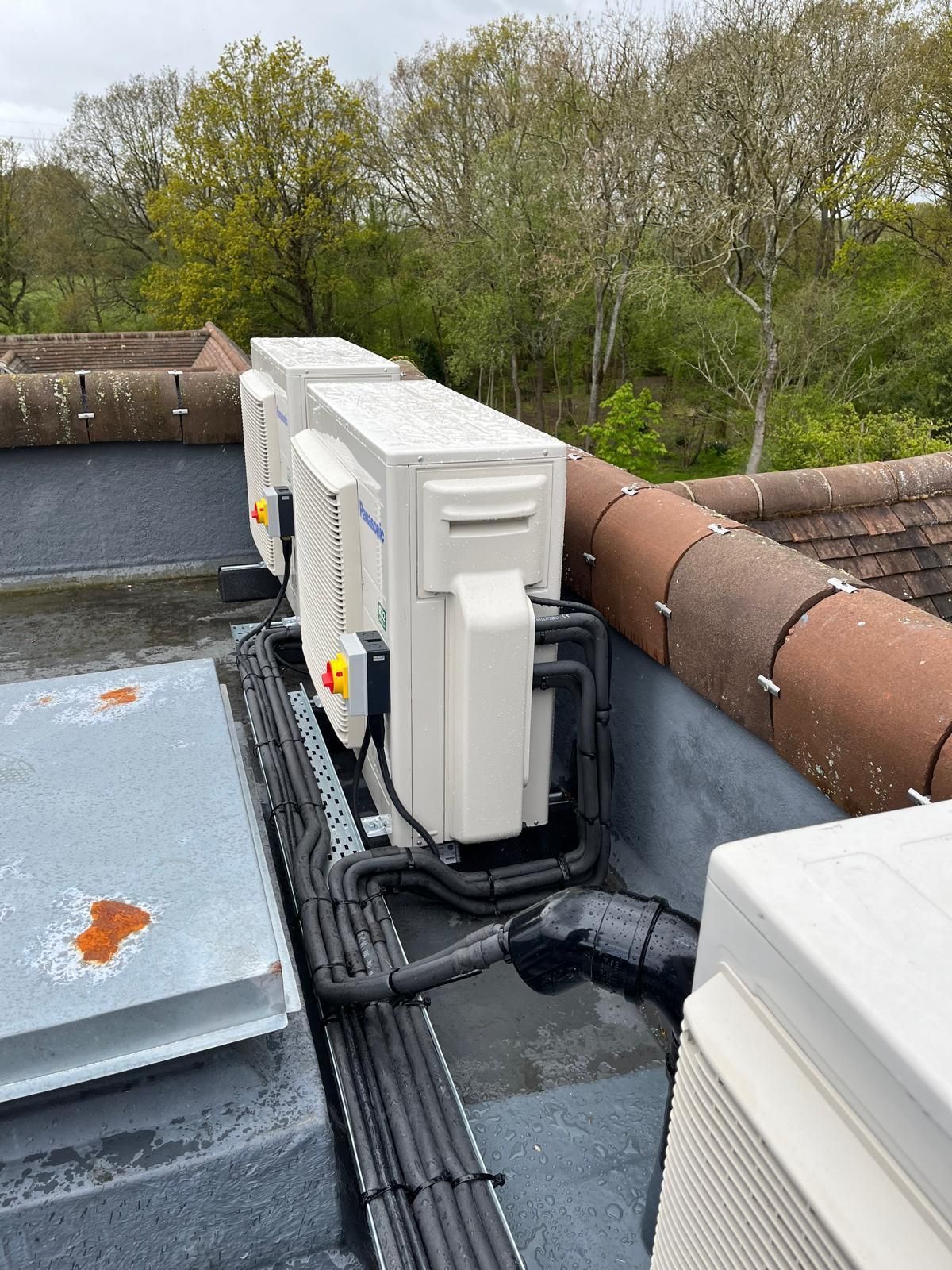
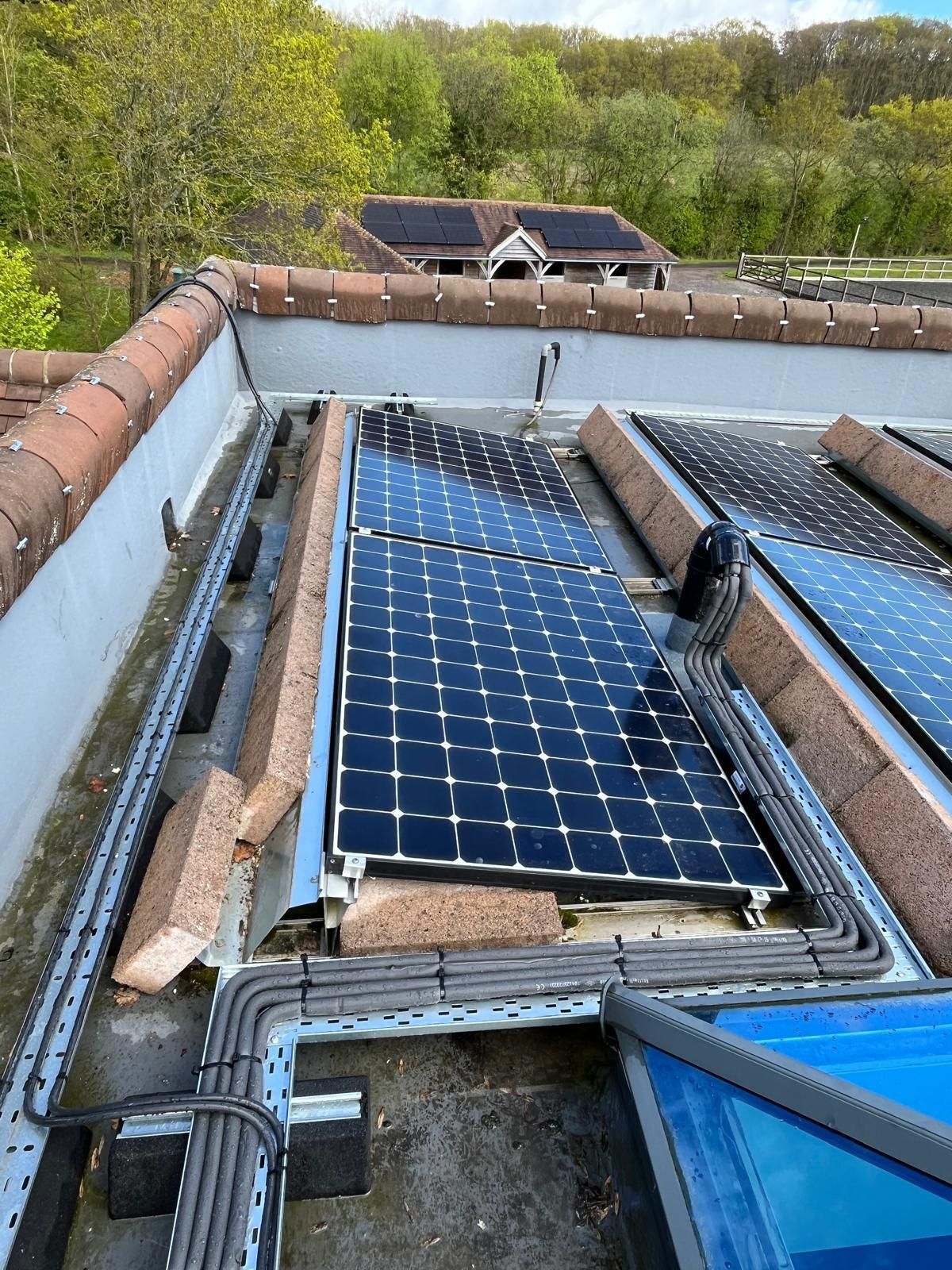
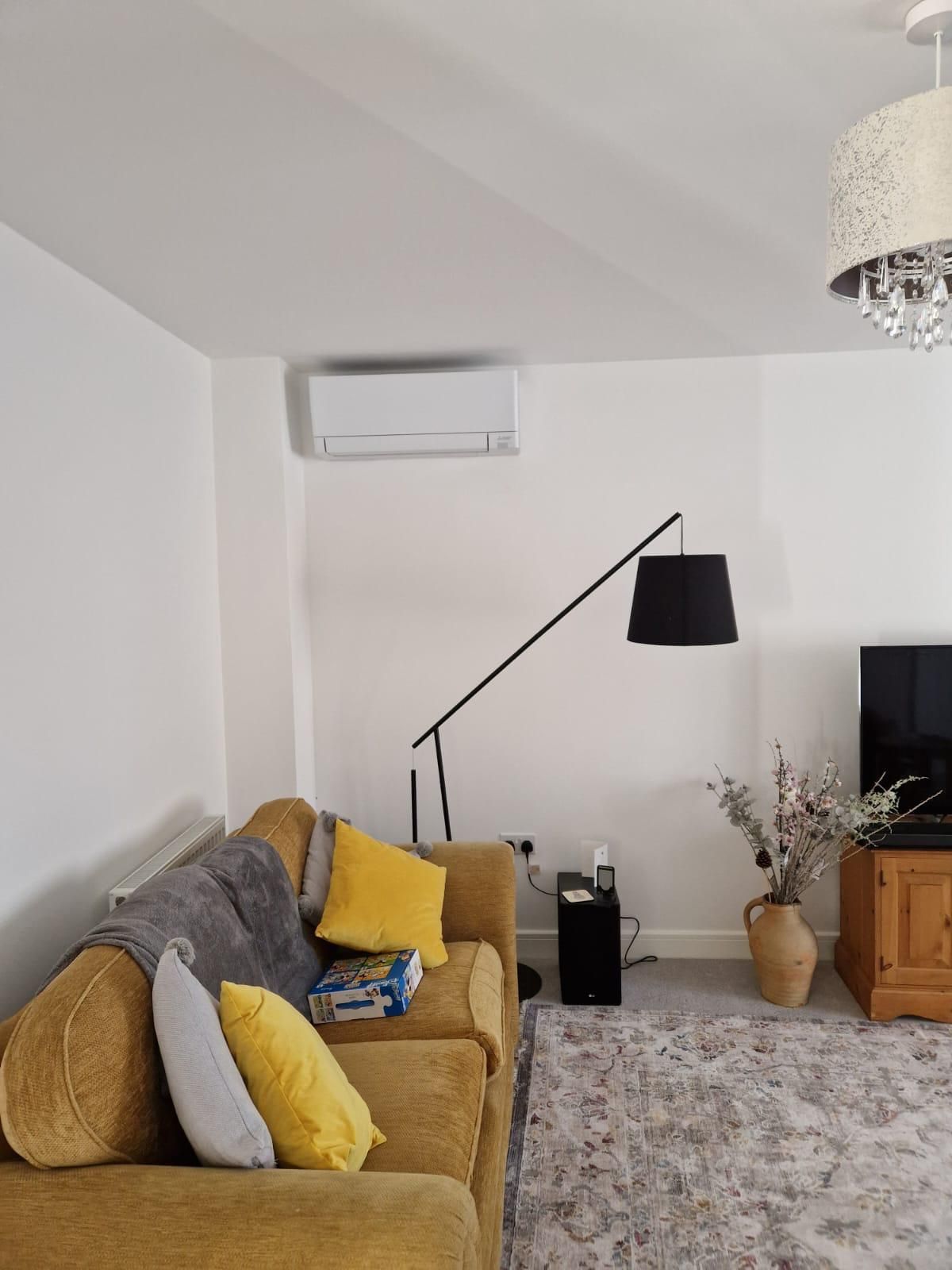
Understanding Ventilation Requirements in Gym Environments Gym ventilation systems play a critical role in maintaining a safe, comfortable and high-performing indoor environment. Unlike many other commercial spaces, gyms and leisure centres experience high levels of physical activity, which leads to increased heat, humidity and airborne particles. Without effective ventilation, these conditions can quickly result in poor air quality, making the environment uncomfortable for both customers and staff. Proper ventilation ensures that fresh air is consistently introduced while stale air is removed, helping to maintain a balanced and breathable atmosphere. Why Do Gyms and Leisure Centres Need Ventilation Systems? Gyms and leisure centres require dedicated ventilation systems because of the unique demands placed on indoor air quality. As people exercise, they generate heat and moisture, which can build up rapidly in enclosed spaces. This can lead to increased humidity levels, condensation and unpleasant odours, all of which negatively impact the user experience. In addition, poor airflow can allow airborne particles to accumulate, reducing overall air quality. A properly designed ventilation system ensures that air is continuously circulated and refreshed, creating a more comfortable and hygienic environment. How Do Gym Ventilation Systems Improve Air Quality? Gym ventilation systems are designed to regulate airflow and maintain consistent air exchange throughout the facility. By removing stale air and introducing fresh air, these systems help reduce humidity levels and improve overall air quality. This is particularly important in high-traffic areas such as weight training zones, cardio areas and group exercise studios, where airflow demand is significantly higher. Effective ventilation also helps reduce the presence of airborne particles, supporting a cleaner and more comfortable indoor environment for users. What Happens If a Gym Has Poor Ventilation? Poor ventilation can lead to a range of issues within gym and leisure environments. Without proper airflow, heat and humidity can build up quickly, creating uncomfortable conditions that discourage customers from staying or returning. High humidity levels can also affect equipment and interior surfaces, leading to maintenance issues over time. In addition, inadequate ventilation can result in stale air and unpleasant odours, which can negatively impact the overall perception of the facility. Over time, these issues can reduce customer satisfaction and impact business performance. Do Gyms Need Both Air Conditioning and Ventilation? Yes, gyms and leisure centres typically require both air conditioning and ventilation systems to operate effectively. While air conditioning regulates temperature, ventilation ensures that fresh air is circulated throughout the space. These systems work together to create a balanced indoor environment. Air conditioning alone cannot provide sufficient airflow, particularly in high-occupancy environments, while ventilation without cooling may not adequately manage temperature levels. Combining both systems ensures that gyms can maintain comfortable, well-regulated conditions at all times. How Are Ventilation Systems Designed for Fitness Centres? Ventilation systems for gyms and leisure centres are designed based on factors such as facility size, layout, occupancy levels and usage patterns. High-intensity areas require greater airflow, while quieter areas may require less. A well-designed system will ensure that air is evenly distributed throughout the space, preventing hotspots and maintaining consistent conditions. It will also be configured to handle peak usage periods when demand is highest. Energy efficiency is also a key consideration, ensuring that systems deliver strong performance without excessive energy consumption. Key Benefits of Gym Ventilation Systems Installing effective ventilation systems in gyms and leisure centres provides several important benefits. It improves indoor air quality, helping to create a more comfortable and enjoyable environment for users. It also helps regulate humidity levels, reducing the risk of condensation and maintaining better overall conditions within the facility. In addition, proper ventilation supports hygiene standards by reducing the build-up of airborne particles. These benefits contribute to improved customer satisfaction, better staff working conditions and a more professional environment overall. Creating a Comfortable and Efficient Gym Environment Investing in the right ventilation system is essential for maintaining a high-quality gym or leisure facility. By ensuring consistent airflow and effective air exchange, businesses can create environments that support both performance and comfort. A well-designed ventilation system not only improves air quality but also enhances the overall experience for customers, helping to encourage repeat visits and long-term engagement. Frequently Asked Questions Do gyms need ventilation systems? Yes, gyms require dedicated ventilation systems to manage airflow, reduce humidity and maintain good indoor air quality. What does a gym ventilation system do? It removes stale air, introduces fresh air and helps regulate humidity and airflow throughout the facility. Can ventilation improve gym air quality? Yes, effective ventilation systems significantly improve air quality by reducing airborne particles and maintaining consistent airflow. Do gyms need both ventilation and air conditioning? Yes, both systems are needed to control temperature and maintain proper airflow in high-usage environments. At JP Air Conditioning , we design and install sustainable ventilation systems for gym and leisure centre buildings across Hampshire, Surrey and the surrounding areas. Our approach prioritises compliance, efficiency and long-term reliability. To discuss ventilation installation or system upgrades, call 01252 929395 or visit www.jpairconditioning.co.uk .

March 31, 2026
Introduction Choosing the best air conditioning system for gyms and fitness centres is essential for maintaining a comfortable, safe and high-performing environment. Gyms generate significant heat, moisture and airborne particles due to constant activity, which means standard systems are often not sufficient for these types of spaces. The most effective gym air conditioning systems are designed to handle high occupancy levels, regulate temperature consistently and maintain strong airflow, ensuring both customers and staff can train comfortably throughout the day. What Type of Air Conditioning Is Best for a Gym? The best type of air conditioning system for a gym will depend on the size of the facility, layout and level of usage. Larger fitness centres typically require more advanced systems that can manage multiple zones and maintain consistent airflow across different areas. For example, VRF systems are commonly used in commercial gym environments because they allow precise temperature control across large spaces. These systems can adjust output based on demand, helping to maintain stable conditions even during peak usage. In smaller gyms or studio spaces, split or multi-split systems can provide effective cooling while remaining cost-efficient and easy to install. However, it is important that these systems are properly specified to cope with the increased heat load generated during exercise. Do Gyms Need Special Air Conditioning Systems? Yes, gyms and fitness centres require specialised air conditioning systems that are designed to handle higher levels of heat, humidity and airflow demand compared to standard commercial environments. Unlike offices or retail spaces, gyms experience continuous movement and increased body heat, which places additional strain on HVAC systems. Without the right setup, spaces can quickly become uncomfortable, leading to poor air quality and reduced customer satisfaction. A well-designed system will not only provide cooling but also support effective ventilation, ensuring fresh air circulation and reducing the build-up of humidity and odours. Why Is Airflow and Ventilation Important in Fitness Centres? Airflow is just as important as temperature control in gym environments. Poor ventilation can lead to stale air, excess humidity and an uncomfortable training environment, particularly in high-traffic areas such as weight rooms and cardio zones. Effective gym HVAC systems combine air conditioning with ventilation to ensure a steady supply of fresh air. This helps regulate indoor air quality, remove airborne particles and maintain a more pleasant environment for users. For larger facilities, dedicated ventilation systems may be required alongside air conditioning to ensure consistent airflow throughout the space. How Much Does Air Conditioning Cost for a Gym in the UK? The cost of installing air conditioning in a gym will vary depending on the size of the facility, the type of system required and the complexity of the installation. Smaller fitness studios may require a more basic setup, while larger gyms will need advanced systems capable of handling higher demand. In general, costs can range from several thousand pounds for smaller systems to significantly higher investments for large-scale installations. Factors such as system efficiency, zoning capabilities and ventilation integration will all influence the final cost. While the initial investment can be substantial, a properly installed system will improve energy efficiency, reduce long-term operating costs and enhance overall customer experience. How Do You Choose the Right Air Conditioning System for a Gym? Selecting the right system involves considering several key factors, including the size and layout of the facility, peak occupancy levels and the type of activities taking place within the space. High-intensity training areas, for example, will generate more heat and require stronger cooling and airflow compared to quieter areas such as reception or stretching zones. It is also important to consider energy efficiency, as gyms typically operate for long hours each day. A tailored approach ensures that the system is designed to meet the specific demands of the environment while maintaining consistent performance. Benefits of Installing the Right Gym Air Conditioning System Installing the right air conditioning system in a gym or fitness centre provides a number of important benefits. It helps maintain a comfortable indoor environment, encouraging customers to stay longer and return regularly. It also supports staff working conditions and helps protect equipment from excessive heat and humidity. In addition, efficient systems can reduce energy consumption and operating costs over time. Perhaps most importantly, a well-regulated environment improves overall customer satisfaction, which is essential for retention and long-term business success. Conclusion The best air conditioning system for gyms and fitness centres will depend on the size, layout and usage of the space, but it must be capable of handling high demand, maintaining consistent airflow and delivering reliable performance. By investing in the right system and ensuring it is properly designed and installed, gym operators can create comfortable, efficient and high-quality environments that support both performance and customer experience. Frequently Asked Questions What is the best air conditioning system for a gym? VRF systems and advanced multi-zone systems are often the best options for gyms, as they provide consistent temperature control and can handle high usage environments. Do gyms need special air conditioning systems? Yes, gyms require systems designed to manage higher heat output, humidity and airflow compared to standard commercial spaces. How much does gym air conditioning cost in the UK? Costs vary depending on the size and system type, but can range from a few thousand pounds to larger investments for complex installations. Why is ventilation important in gyms?  Ventilation helps maintain air quality, reduce humidity and ensure a comfortable environment for both customers and staff. At JP Air Conditioning , we design and install sustainable ventilation systems for gym and leisure centre buildings across Hampshire, Surrey and the surrounding areas. Our approach prioritises compliance, efficiency and long-term reliability. To discuss ventilation installation or system upgrades, call 01252 929395 or visit www.jpairconditioning.co.uk .
February 27, 2026
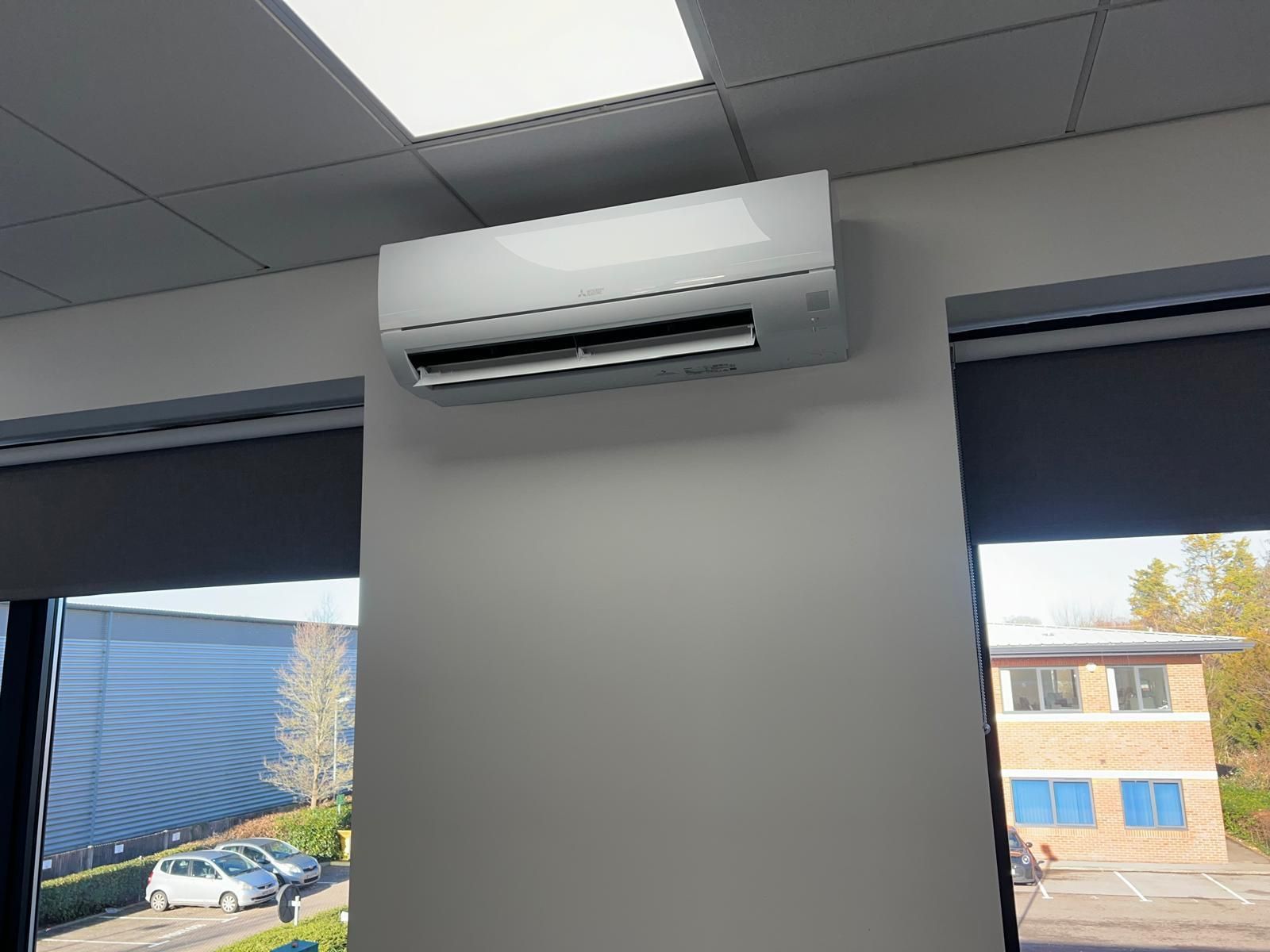
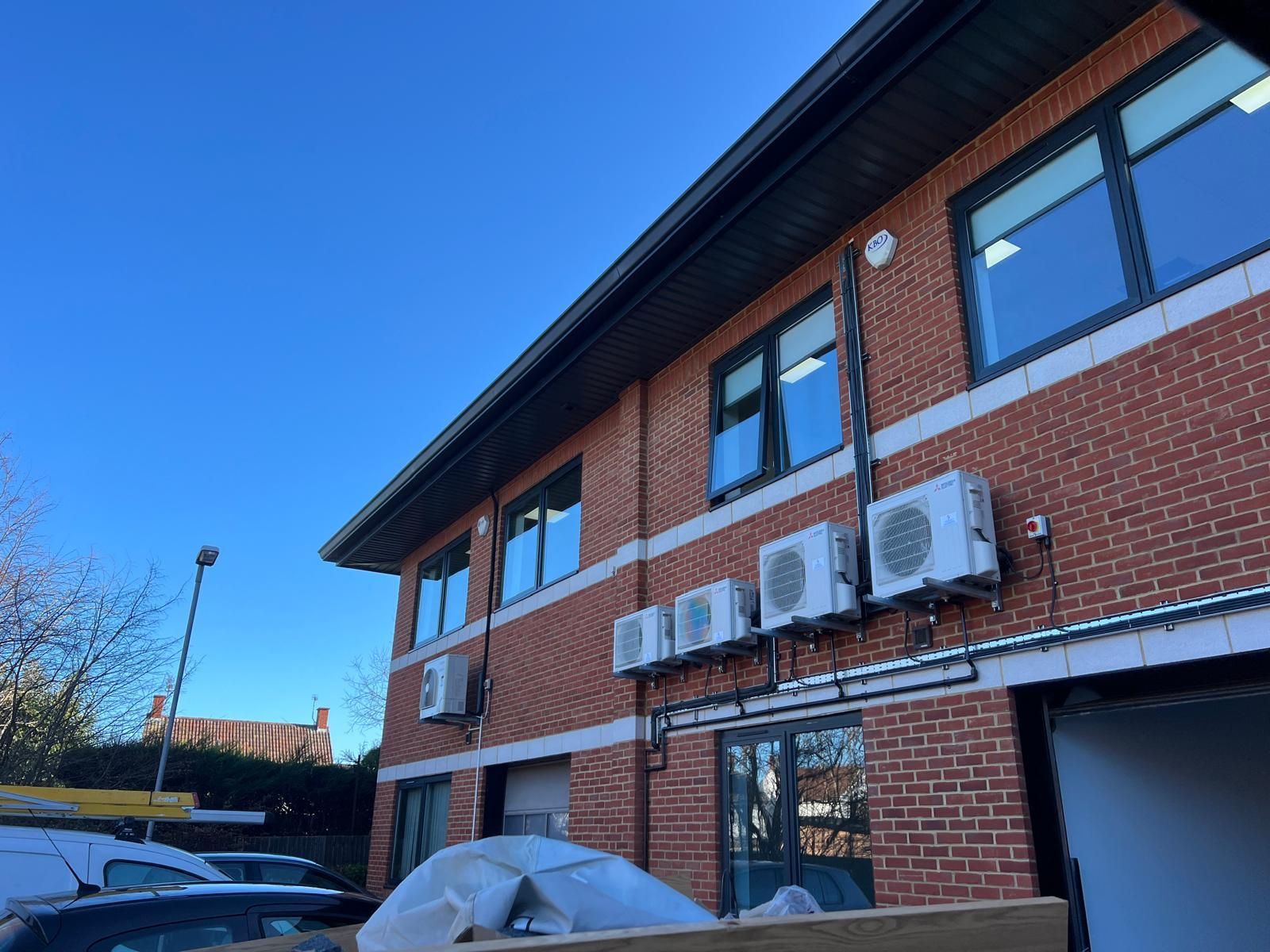
Why Sustainability Now Matters in Ventilation Design Across both healthcare and education sectors, sustainability has moved from a long-term ambition to an immediate operational priority. Schools are under pressure to reduce energy consumption and carbon output. Healthcare providers are expected to maintain strict environmental standards while ensuring patient safety and regulatory compliance. In both environments, ventilation systems play a major role in overall building performance.  Installing sustainable ventilation systems for healthcare buildings and schools is no longer just about environmental responsibility — it is about reducing operating costs, improving air quality and futureproofing infrastructure. What Makes a Ventilation System “Sustainable”? A sustainable ventilation system is one that delivers consistent fresh airflow while minimising energy consumption and environmental impact. This is achieved through a combination of intelligent design, efficient equipment and integration with other building systems. Rather than simply extracting and replacing air, modern systems focus on recovering energy, balancing airflow and reducing unnecessary strain on heating and cooling systems. When designed correctly, sustainable ventilation improves indoor air quality while lowering long-term running costs. Heat Recovery Ventilation in Schools and Healthcare Facilities One of the most effective ways to improve efficiency is through heat recovery ventilation. Mechanical ventilation with heat recovery (MVHR) systems capture heat from outgoing stale air and transfer it to incoming fresh air. This reduces the amount of additional heating required, which is particularly important in large education buildings and healthcare clinics that operate year-round. In schools, this means classrooms receive fresh air without excessive heat loss during colder months. In healthcare settings, it ensures compliance with ventilation standards while maintaining stable indoor temperatures. By reducing wasted energy, heat recovery systems significantly improve overall building efficiency. Balancing Air Quality and Energy Efficiency Healthcare ventilation requirements demand high standards of air quality. Treatment rooms, waiting areas and clinical spaces must maintain consistent airflow and contamination control. At the same time, these buildings operate for extended hours and often house sensitive equipment. Sustainable ventilation design ensures that air changes per hour are achieved without unnecessarily increasing energy consumption. In education settings, maintaining fresh air in classrooms supports concentration and wellbeing. Poor ventilation can lead to elevated COâ‚‚ levels and discomfort, but excessive extraction without efficient recovery increases heating and cooling demand. Careful system design ensures that ventilation and air conditioning work together rather than against each other. Reducing Long-Term Operational Costs Energy-efficient ventilation systems reduce strain on HVAC infrastructure. By improving airflow balance and minimising heat loss, sustainable systems lower the overall demand placed on air conditioning and heating equipment. This not only reduces electricity usage but also extends the lifespan of connected systems. For schools and healthcare facilities operating under strict budgets, predictable running costs are essential. Investing in sustainable ventilation during installation helps avoid escalating energy bills and reactive upgrades later. Supporting ESG and Environmental Objectives Environmental, social and governance (ESG) considerations are increasingly influencing infrastructure decisions. Education providers and healthcare organisations are expected to demonstrate commitment to reducing carbon emissions and improving building efficiency. Sustainable ventilation systems contribute directly to these objectives by lowering energy demand and supporting improved building performance ratings. Modern systems also use refrigerants and materials with reduced environmental impact, aligning with wider sustainability strategies. When to Consider Upgrading Ventilation Systems Older ventilation systems may lack heat recovery, smart controls or efficient airflow balancing. In some cases, they may have been designed before current energy standards were introduced. Signs that an upgrade may be beneficial include rising heating costs, inconsistent airflow, poor indoor air quality or increasing maintenance requirements. Upgrading ventilation in a school or healthcare building provides an opportunity to integrate energy-efficient technologies while improving overall environmental performance. Designing Sustainable Ventilation for the Long Term Every healthcare facility and school building is different. Room usage, occupancy levels, building layout and regulatory requirements all influence system design. A tailored approach ensures ventilation systems meet compliance expectations while delivering long-term energy savings. Integration with commercial air conditioning installation allows for balanced climate control throughout the year. Proper commissioning and installation are essential to achieving the full benefits of sustainable ventilation. Attention to airflow balancing, duct design and control systems ensures consistent performance over time. Planning Sustainable Ventilation for Your Building If you are reviewing ventilation options for a school or healthcare facility, focusing on sustainability from the outset ensures the system delivers long-term value. By combining heat recovery, energy-efficient controls and carefully designed airflow strategies, it is possible to maintain high indoor air quality while reducing environmental impact. At JP Air Conditioning , we design and install sustainable ventilation systems for healthcare and education buildings across Hampshire, Surrey and the surrounding areas. Our approach prioritises compliance, efficiency and long-term reliability. To discuss ventilation installation or system upgrades, call 01252 929395 or visit www.jpairconditioning.co.uk .
February 27, 2026
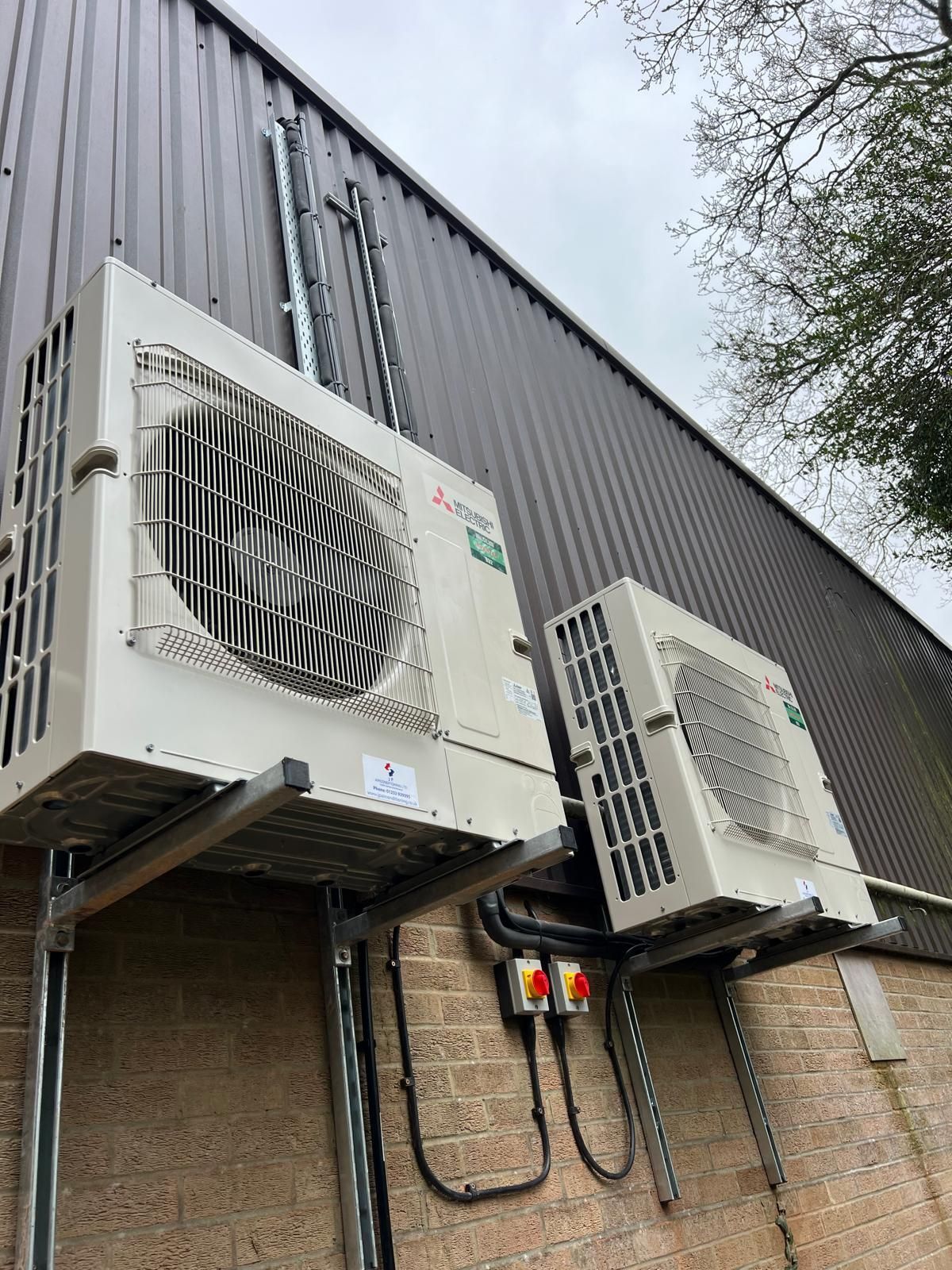
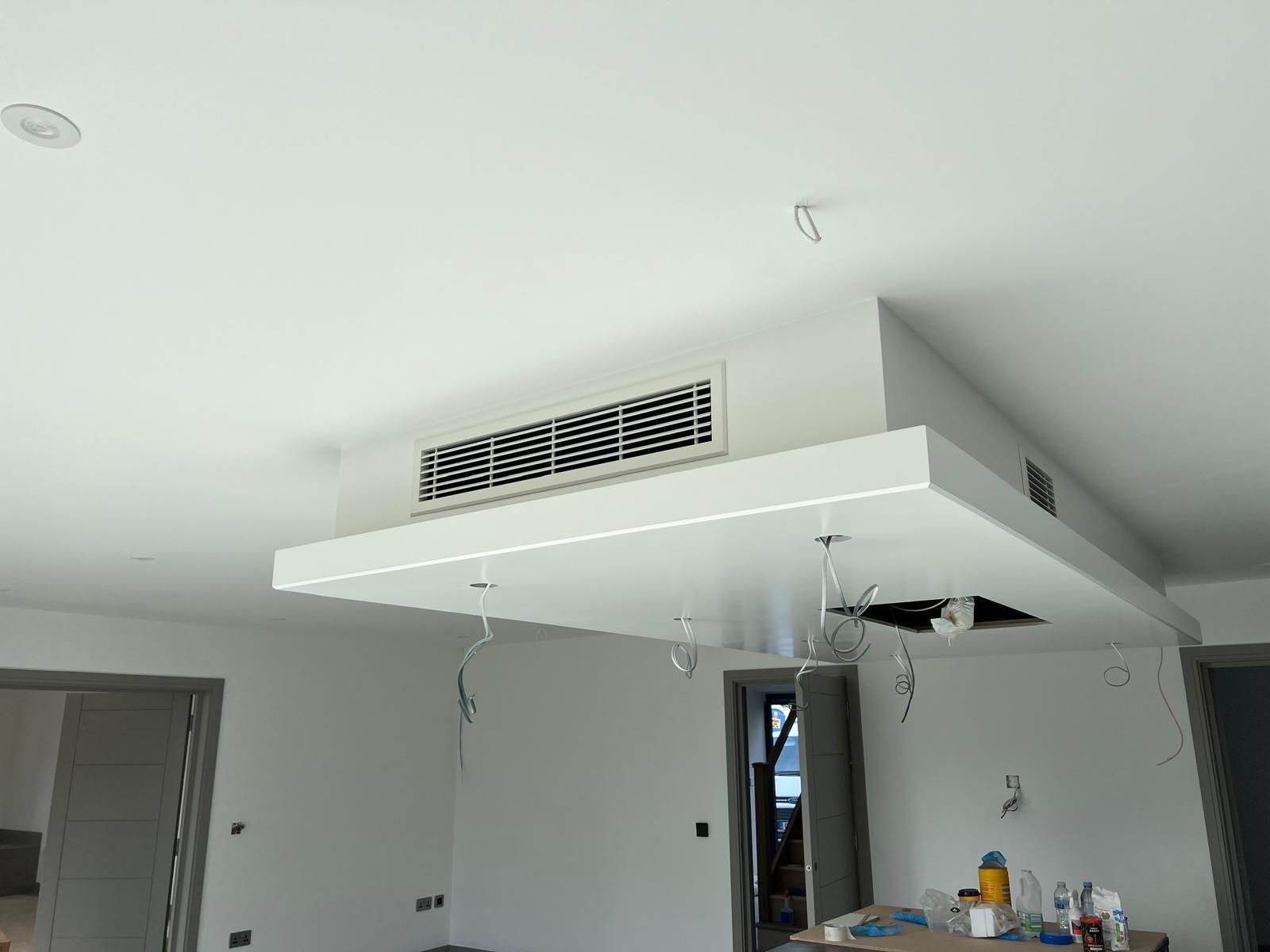
Recognising When an Air Conditioning System Is No Longer Performing In schools and healthcare buildings, air conditioning systems play a much bigger role than simple comfort. They help maintain concentration in classrooms, protect sensitive medical environments and support overall indoor air quality. Over time, however, even well-installed systems begin to decline in efficiency. Rising energy bills, inconsistent temperatures and increased maintenance visits are often early signs that a system may be approaching the end of its practical lifespan. Understanding when to consider a commercial air conditioning upgrade can prevent disruption, protect budgets and ensure buildings remain compliant and comfortable. Rising Energy Costs Without Clear Explanation One of the most common indicators that a school or healthcare facility should review its air conditioning system is unexplained increases in electricity usage. Older commercial AC systems often operate at fixed output levels, consuming more energy than necessary to maintain temperature. Modern energy efficient air conditioning systems use inverter technology and improved controls to adjust output dynamically, significantly reducing electricity consumption. If a building’s cooling costs have steadily increased despite similar usage patterns, it may be time to consider upgrading to a more efficient solution. Inconsistent Temperatures Across Rooms Uneven cooling is another sign that an air conditioning system may no longer be fit for purpose. In education buildings, classrooms on upper floors may overheat while ground-floor areas remain cool. In healthcare facilities, treatment rooms may struggle to maintain consistent conditions throughout the day. These issues are often caused by outdated system design, insufficient capacity or worn components. Upgrading a school air conditioning installation allows zoning and load balancing to be properly configured for current occupancy levels. Increased Maintenance and Repair Requirements Frequent breakdowns and repeated call-outs can indicate that a commercial HVAC system is reaching the end of its reliable life cycle. While regular servicing remains important, a pattern of escalating repairs typically suggests that replacing the system will be more cost-effective in the long term. Healthcare environments, in particular, cannot afford prolonged downtime in clinical areas. Upgrading early avoids reactive repairs and ensures continuity of operations. Changes in Building Use or Occupancy Schools expand. Clinics add treatment rooms. Healthcare facilities introduce new equipment. When occupancy levels or building usage change, the original air conditioning installation may no longer be appropriately sized. Systems that were once sufficient can become overstretched, leading to overheating, excessive energy consumption and accelerated wear. A professional review of cooling loads and airflow requirements can determine whether a commercial air conditioning replacement is the most practical solution. Compliance and Environmental Considerations Regulatory expectations and sustainability standards continue to evolve. Older systems may rely on refrigerants with higher environmental impact or fail to meet current efficiency benchmarks. Upgrading to modern equipment supports compliance with environmental targets while improving overall building performance. For schools and healthcare providers with sustainability commitments, installing energy efficient air conditioning can significantly reduce carbon output and support long-term environmental goals. Integration With Ventilation Systems Many older buildings were not designed with integrated ventilation and air conditioning in mind. Modern installations allow ventilation systems and cooling systems to work together more effectively, improving indoor air quality while maintaining consistent temperatures. In healthcare settings especially, this integration is essential for maintaining safe and compliant environments. Upgrading air conditioning as part of a broader ventilation review can significantly improve overall system performance. Planning a Structured Upgrade Rather Than Reacting to Failure Waiting for a system to fail completely often leads to emergency decisions, limited equipment availability and higher installation costs. A planned commercial air conditioning upgrade allows building managers to schedule work around operational needs, reduce disruption and secure a solution that aligns with long-term infrastructure planning. For schools, this may mean coordinating installation during holiday periods. For healthcare facilities, phased upgrades can maintain uninterrupted clinical services. Evaluating the Lifespan of Existing Systems Most commercial air conditioning systems have an expected operational lifespan of around 10–15 years, depending on usage and maintenance quality. If your system is approaching this range, it is sensible to begin assessing replacement options before reliability declines further. Modern systems offer significant improvements in efficiency, control and sustainability compared to those installed a decade ago. Moving Forward With Confidence Upgrading air conditioning in schools and healthcare buildings is not simply about replacing old equipment. It is about improving energy performance, protecting operational continuity and ensuring environments remain comfortable and compliant. A properly designed installation supports long-term cost control, simplifies maintenance and integrates effectively with ventilation infrastructure. At JP Air Conditioning , we design and install commercial air conditioning systems for schools and healthcare facilities across Hampshire, Surrey and surrounding areas. Our approach focuses on energy efficiency, compliance and future-ready system design. To discuss upgrading or replacing your existing system, call 01252 929395 or visit www.jpairconditioning.co.uk .


February 27, 2026
Why Energy Efficiency Is Now a Priority for Schools Across the UK, more schools are investing in energy efficient air conditioning as part of wider efforts to improve classroom comfort while controlling operating costs. With rising electricity prices and increasing pressure to meet sustainability targets, education buildings need cooling systems that perform reliably without placing unnecessary strain on already limited budgets. A well-designed school air conditioning installation can improve learning environments while significantly reducing long-term energy consumption. In modern classrooms, temperature control isn’t simply about comfort. Overheated spaces affect concentration, productivity and staff wellbeing. Ensuring stable, comfortable conditions throughout the school day has become a practical necessity. The Impact of Classroom Temperature on Learning When classrooms become too warm, focus drops quickly. Staff fatigue increases, behaviour becomes harder to manage, and productivity declines. Many older school buildings were never designed with modern cooling requirements in mind. Large south-facing windows, limited airflow and outdated heating systems can make temperature regulation difficult. Installing commercial air conditioning in schools helps create a stable learning environment, particularly during warmer months when natural ventilation alone isn’t sufficient. However, energy efficiency must be built into the system from the start to avoid increasing running costs. What Makes Air Conditioning Energy Efficient in Schools? True efficiency goes far beyond simply installing new equipment. It starts with correct system design. Proper sizing is essential. An oversized system wastes electricity, while an undersized one runs constantly at maximum output. Load calculations based on classroom size, occupancy and building layout ensure the equipment matches the school’s actual cooling needs. Modern inverter-driven systems improve efficiency by adjusting output automatically rather than switching fully on and off. This reduces electricity usage while maintaining consistent temperatures throughout the building. Zoning is another important factor. Schools operate on structured timetables, and not every room is used at the same time. Intelligent zoning and smart controls allow cooling only where needed, preventing unnecessary energy waste. When air conditioning is integrated with well-designed ventilation systems, overall performance improves even further. Balanced airflow reduces system strain and supports healthier indoor air quality. Reducing Running Costs in Education Buildings One of the main concerns with installing air conditioning in schools is long-term energy cost. In practice, a properly designed energy efficient system often performs better than older electric heaters or portable cooling units. Outdated equipment frequently consumes more electricity while delivering inconsistent results. Newer systems can support lower electricity usage, improved building performance ratings and more predictable operational costs. Over time, this creates a more stable budget for estates managers and school leadership teams. In addition, modern systems are designed to work year-round. Heat pump technology allows schools to benefit from both cooling in summer and efficient heating during colder months, reducing reliance on less efficient heating methods. Supporting Sustainability Goals in Schools Sustainability has become an important consideration for both public and private education providers. Energy efficient air conditioning can contribute to broader environmental objectives by lowering carbon emissions and reducing overall energy demand. Many systems now use refrigerants with lower global warming potential, alongside improved heat recovery technologies. By investing in sustainable cooling solutions, schools can improve comfort while demonstrating commitment to responsible energy use. For new builds or refurbishment projects, integrating efficient HVAC systems from the outset simplifies long-term compliance and futureproofs the building. When Should a School Consider Upgrading Its System? Some schools are still operating systems that were installed years ago, long before efficiency standards improved significantly. An upgrade may be worth considering if classrooms struggle to maintain temperature, if electricity bills are steadily rising, or if maintenance issues are becoming more frequent. Older systems often run continuously at high output, which increases wear and reduces efficiency. Replacing outdated equipment with modern, energy-conscious systems can dramatically improve performance and reduce long-term operational strain. Why Installation Quality Matters Even the most advanced equipment will underperform if poorly installed. Correct positioning, airflow balancing and professional commissioning are essential to achieving the efficiency benefits promised by modern systems. Installation-led planning ensures that cooling and ventilation systems operate smoothly, with minimal strain and simplified maintenance requirements in the future. A well-installed system supports comfort, efficiency and reliability from day one. Planning Energy Efficient Air Conditioning for Your School Every education building is different. Classroom layout, occupancy levels, insulation, ventilation infrastructure and budget constraints all influence system design. A tailored approach ensures the system meets performance expectations without overspending. By focusing on efficiency, zoning and integration with ventilation, schools can achieve comfortable learning environments while maintaining control over running costs. If you’re considering air conditioning installation or an upgrade for your school, early consultation ensures the solution is designed around your building’s specific needs. At JP Air Conditioning , we design and install commercial air conditioning systems for schools across Hampshire, Surrey and surrounding areas, with a focus on energy efficiency, compliance and long-term reliability. To discuss your project, call 01252 929395 or visit www.jpairconditioning.co.uk.