Do I Need Ventilation as Well as Air Conditioning in a Commercial Building
It’s a Question We’re Asked All the Time
If you’re planning a commercial air conditioning installation, there’s a good chance this question has already crossed your mind:
“Do we actually need ventilation as well as air conditioning?”
On the surface, it’s an understandable assumption. Air conditioning cools the air, so surely that’s enough to keep a building comfortable? In reality, air conditioning and ventilation serve two very different purposes, and in most commercial environments, you’ll need both working together to create a space that’s comfortable, compliant and healthy.
Understanding the difference early can save you from poor system performance, uncomfortable staff, and costly changes further down the line.
What Air Conditioning Actually Does
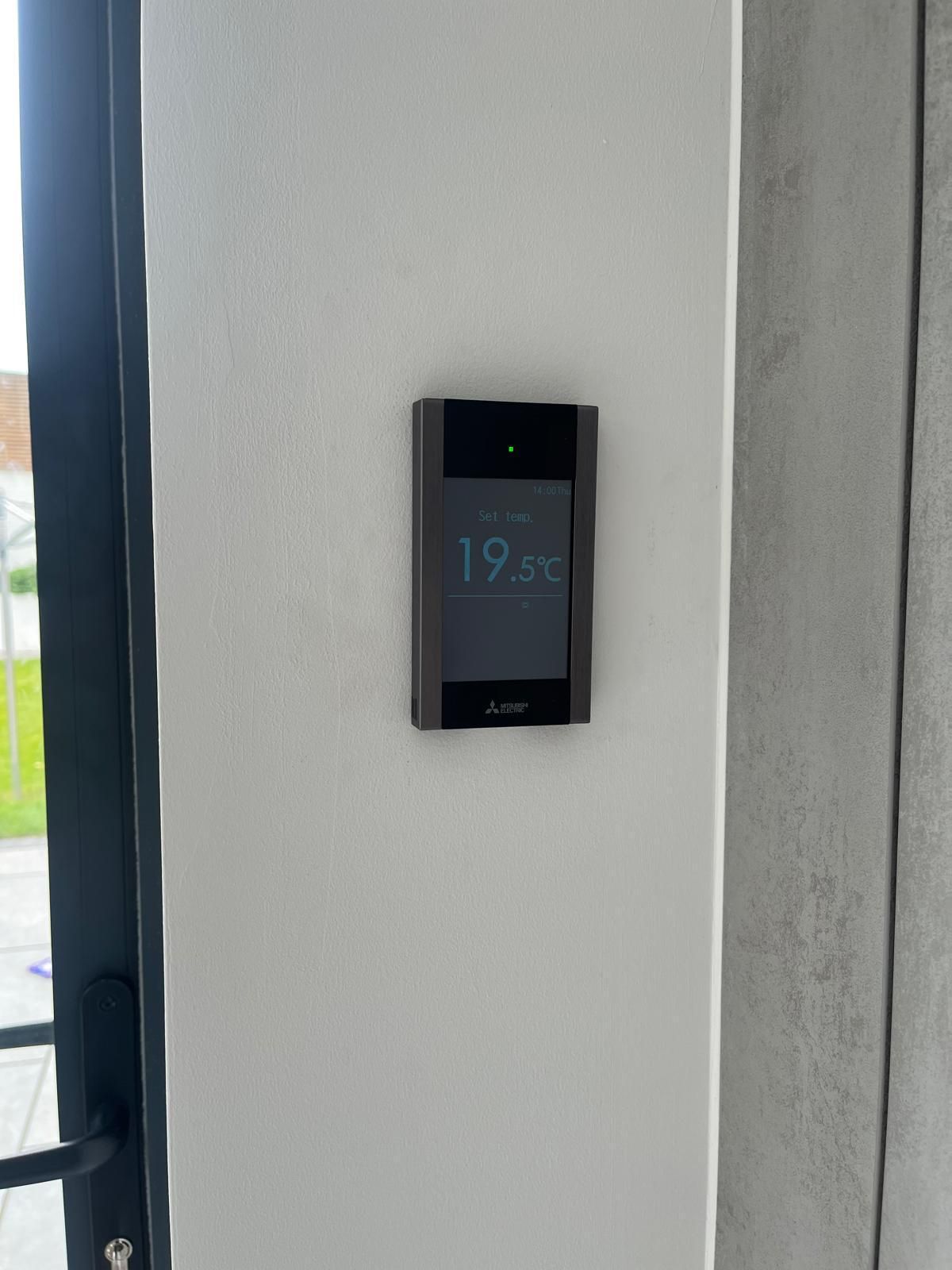
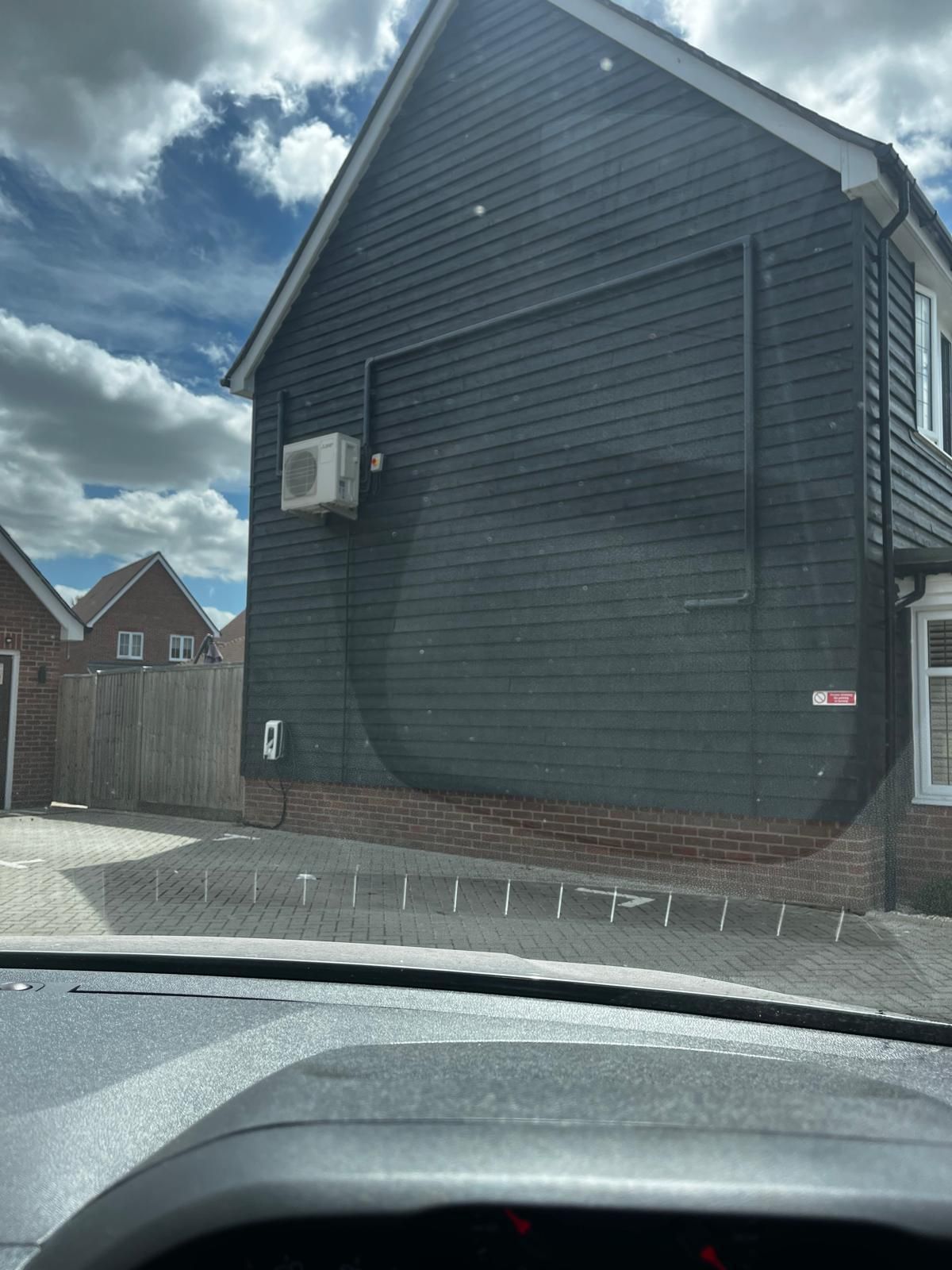
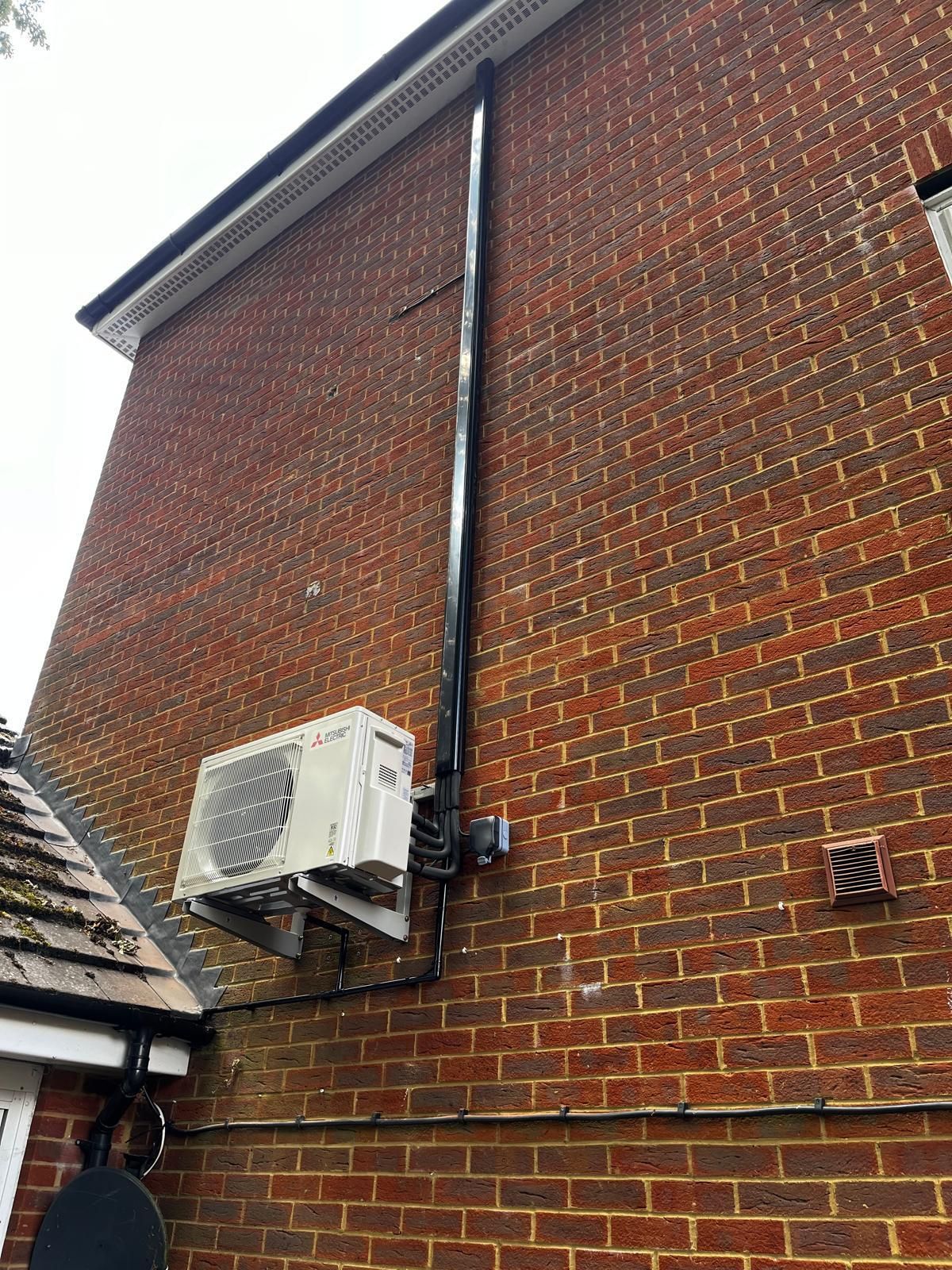
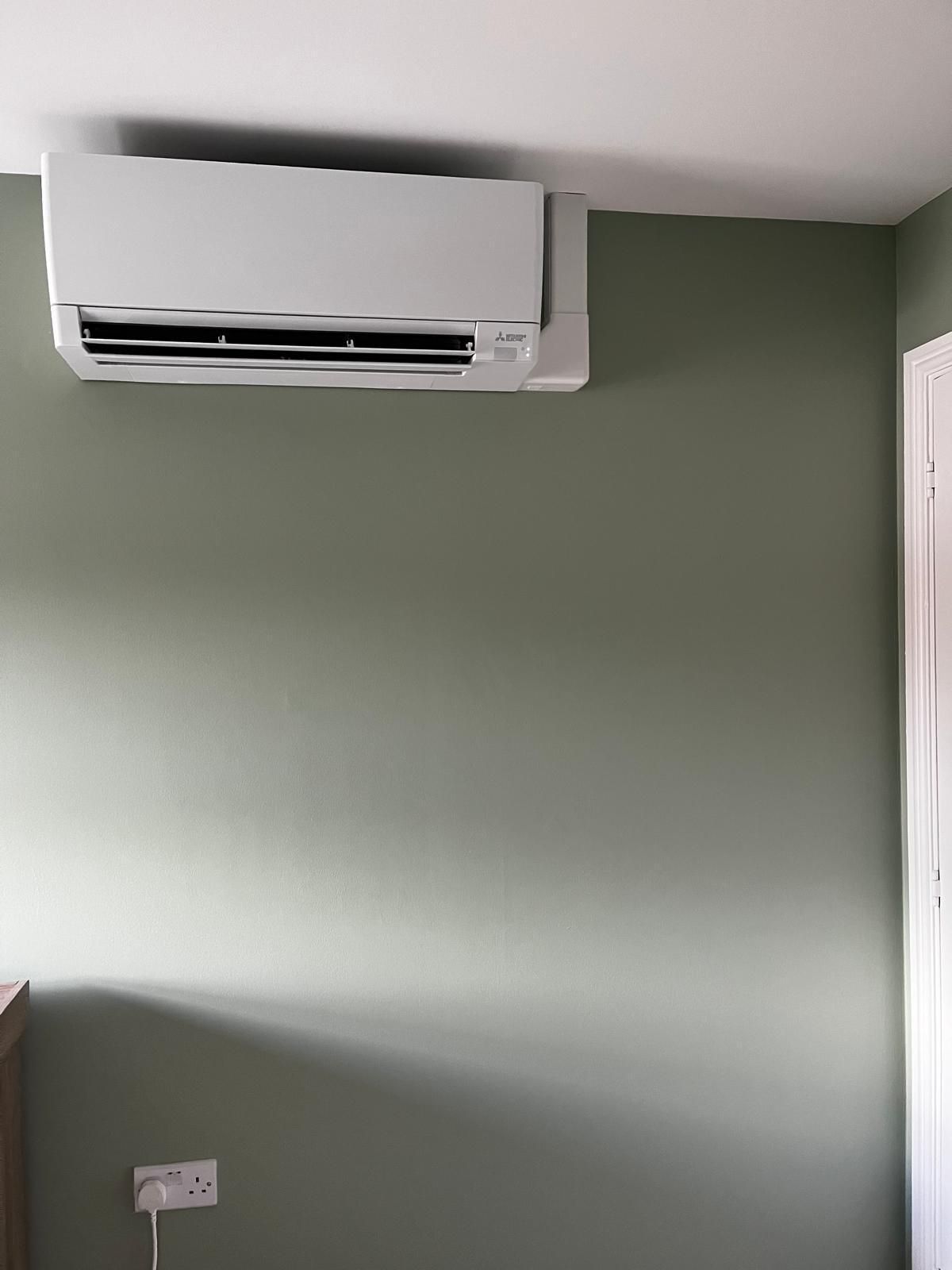
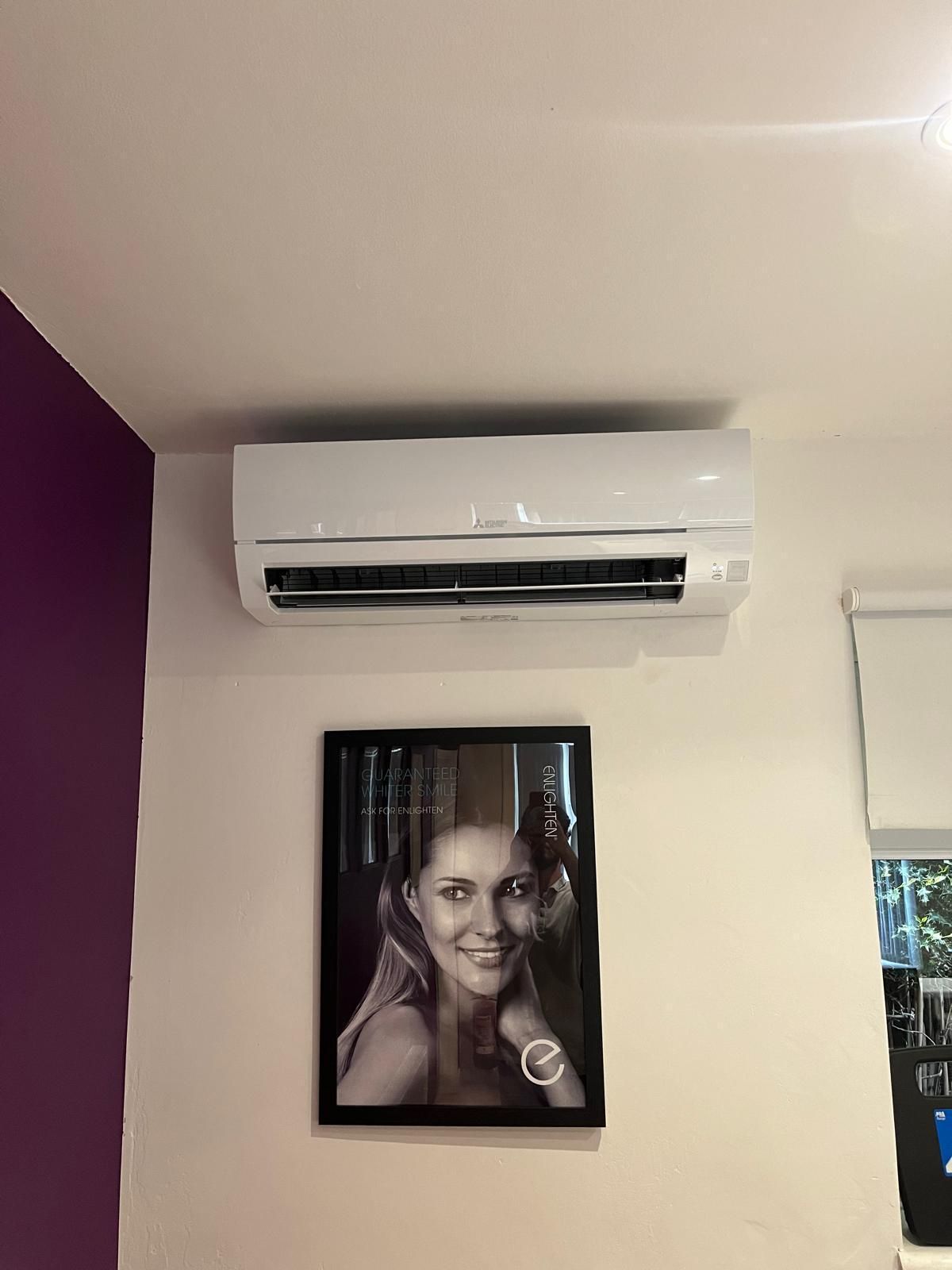
Air conditioning is designed to control temperature and humidity within a space. It cools the air in summer, heats it in winter (if using heat pump systems), and helps maintain a stable indoor climate.
What it doesn’t do — at least not on its own — is introduce fresh air into the building.
Most commercial air conditioning systems recirculate the air already inside the space, filtering and conditioning it, but not replacing it with fresh outside air. This is where ventilation comes in.
What Ventilation Is Responsible For
Ventilation’s job is simple, but critical:
- Remove stale air and replace it with fresh air.
- In commercial buildings, ventilation helps:
- Control CO₂ levels
- Remove odours, fumes and airborne pollutants
- Improve indoor air quality
- Reduce condensation and moisture buildup
- Create a healthier working environment
Without proper ventilation, even a well-cooled building can feel stuffy, uncomfortable and tiring to work in.
this is especially noticeable in offices, warehouses, restaurants and any space where people are working for long periods with doors and windows closed.
Why Air Conditioning Alone Is Rarely Enough
A common issue we see is businesses installing air conditioning to solve comfort problems, only to find that something still doesn’t feel right afterwards. The temperature might be perfect, but the air feels heavy. Staff feel tired. Concentration drops. Complaints start to come in — even though the AC system is technically doing its job. This usually happens because the air isn’t being refreshed.
In modern commercial buildings — particularly those that are well insulated — relying on natural airflow just doesn’t work anymore. Windows stay shut, doors stay closed, and stale air builds up quickly.
That’s why ventilation and air conditioning are designed to work together, not in isolation.
When Is Ventilation a Legal or Practical Requirement?
In many commercial environments, ventilation isn’t just a “nice to have” — it’s a requirement.
Ventilation is often essential in:
- Offices with high occupancy
- Warehouses and industrial units
- Restaurants, kitchens and food preparation areas
- Gyms and fitness spaces
- Healthcare and education buildings
Building regulations and workplace health standards require adequate fresh air circulation to protect occupants’ wellbeing. Even where regulations aren’t explicit, poor air quality can quickly become a productivity and comfort issue.
How Ventilation and Air Conditioning Work Best Together
When designed properly, ventilation and air conditioning complement each other perfectly.
Ventilation systems introduce fresh air and remove pollutants. Air conditioning systems then condition that air, controlling temperature and humidity so the space remains comfortable all year round.
This integrated approach:
- Improves comfort
- Enhances energy efficiency
- Reduces system strain
- Supports long-term reliability
- Makes future servicing simpler
It also creates a much more professional environment for staff, customers and visitors.
The Problem With Retrofitting Ventilation Later
One of the biggest mistakes businesses make is installing air conditioning first, then trying to “add ventilation later” once problems appear.
Retrofitting ventilation after the fact is often: More disruptive, More expensive, Less efficient and Limited by the original system design
That’s why the most cost-effective approach is to consider ventilation and air conditioning together from the start, even if they’re installed in phases.
Choosing the Right Solution for Your Building
Every commercial building is different. The right setup depends on:
- Building size and layout
- Occupancy levels
- Type of business
- Existing systems
- Energy efficiency goals
- Future expansion plans
This is where professional design and installation really matters. A properly planned system doesn’t just meet today’s needs — it supports long-term performance, compliance and ease of maintenance.
Why Installation-Led Design Matters
When ventilation and air conditioning are designed and installed together by the same specialist, everything works better.
The systems are balanced correctly, controls are aligned, and future servicing becomes far simpler. You’re not dealing with conflicting setups or pieced-together solutions — you’re working with a system that was designed as a whole.
This approach also makes warranties, maintenance and long-term support far more straightforward.
Need Advice on Ventilation and Air Conditioning for Your Building?
If you’re planning a commercial installation and aren’t sure whether ventilation is required — or how it should be integrated — getting advice early makes all the difference.
At JP Air Conditioning, we design and install commercial air conditioning and ventilation systems for offices, warehouses, restaurants and commercial buildings across Hampshire, Surrey and the surrounding areas.
We’ll assess your building, explain your options clearly, and help you install a system that performs properly from day one.
Planning a commercial installation?
Call 01252 929395 or visit www.jpairconditioning.co.uk to speak to our team.