Air Conditioning Not Blowing Cold Air? 7 Common Causes (And What It Usually Costs to Fix)


If Your Air Con Isn’t Cold… It’s Usually Fixable

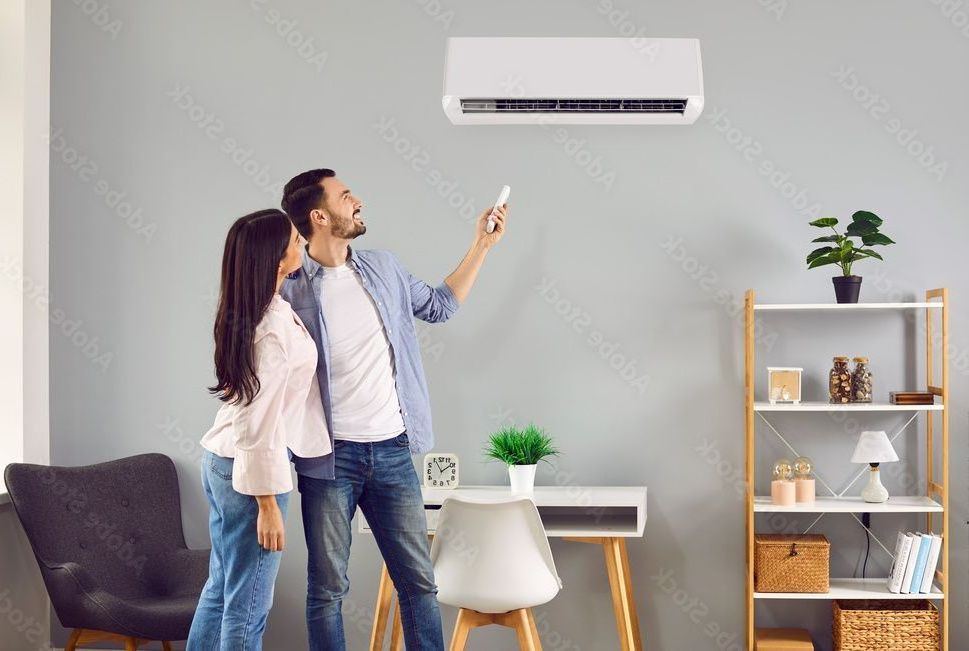
Few things are more frustrating than switching your air conditioning on at home, waiting for that rush of cool air… and getting nothing but warm airflow. You might start thinking the worst:

“Has it broken?”

“Is this going to cost a fortune?”

“Do I need a whole new system?”


The good news is this: most cases of air conditioning not blowing cold air are caused by common, fixable issues — and many of them are surprisingly quick to resolve.


In this guide, we’ll walk through the 7 most common reasons your home air conditioning isn’t cooling properly, what each one usually means, and the type of repair involved (so you have a realistic idea of what to expect).


1. The Filters Are Dirty or Blocked

This is one of the most common reasons a system stops cooling efficiently.


When filters clog up with dust and particles, airflow becomes restricted. That means your unit might still run, but it struggles to push enough air through to cool the room properly. Some systems will even start to behave strangely to protect themselves.


This is usually the easiest fix and often gets things working again immediately.


Typical fix: filter clean or replacement + system check

Why it matters: a dirty filter makes your system work harder and costs more to run


2. Your System Is Low on Refrigerant

Refrigerant is what your air conditioning uses to remove heat from the room. If the level drops, cooling performance drops with it.


Low refrigerant usually means there’s a leak somewhere — and leaks should always be handled by a qualified engineer. Not only because it affects performance, but because refrigerant handling is tightly regulated in the UK.


A lot of homeowners assume refrigerant “runs out” over time, but in a properly sealed system it shouldn’t. So if it’s low, it’s important to find out why.


Typical fix: leak detection + repair + correct refrigerant recharge

Common sign: the unit runs but never feels properly cold


3. The Outdoor Unit Is Blocked or Struggling

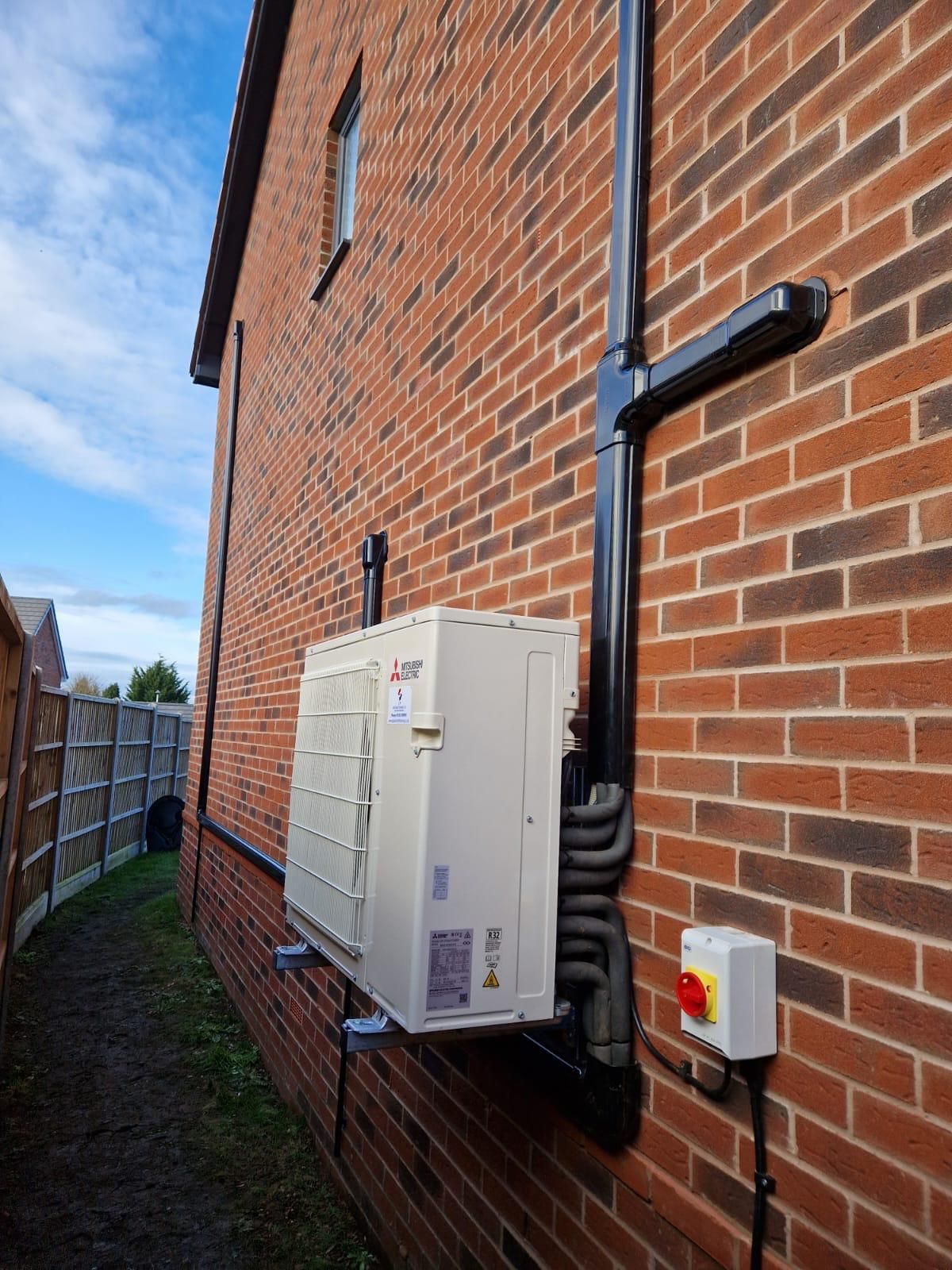
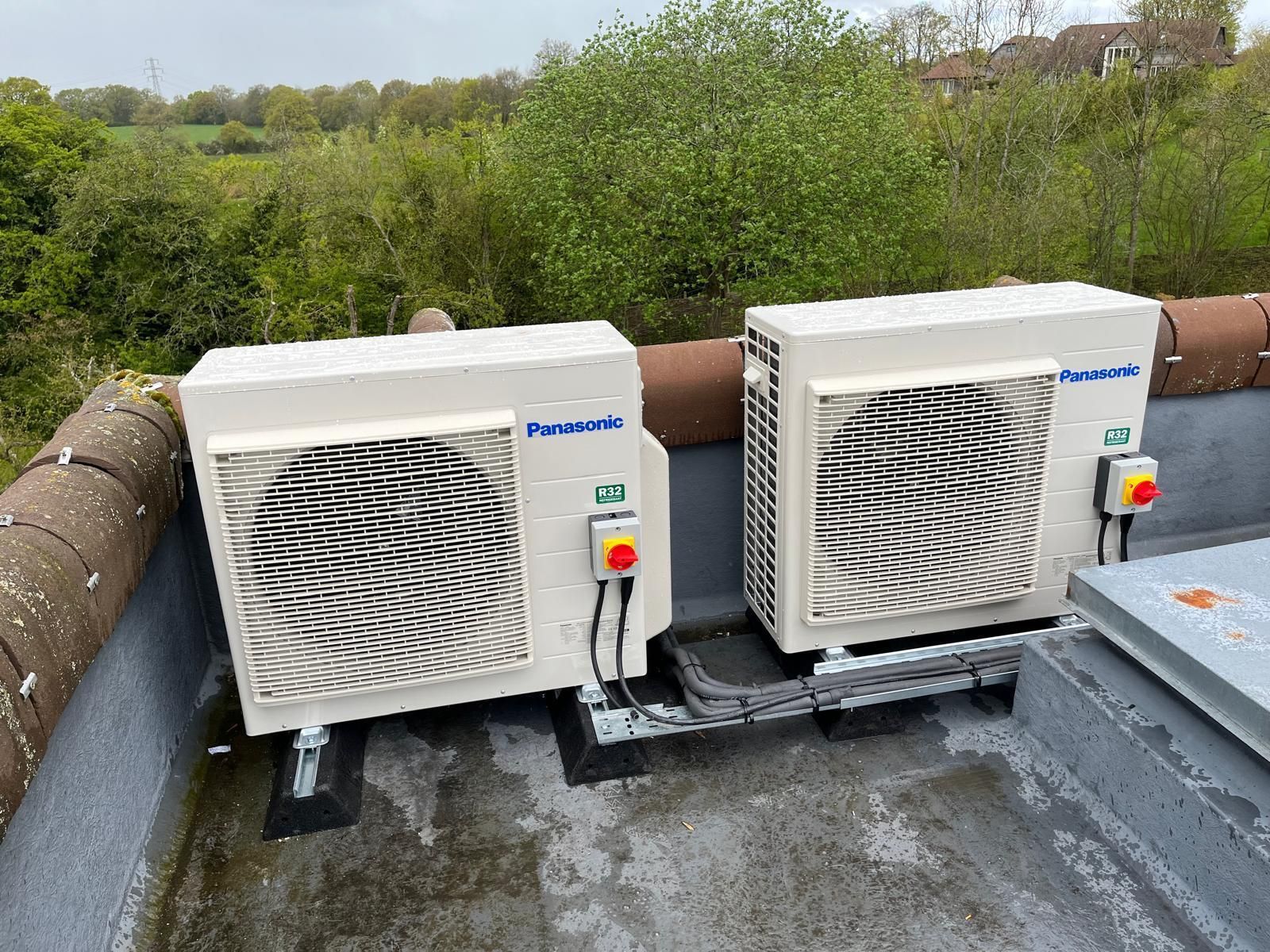
Your indoor unit cools the air, but the outdoor unit is responsible for releasing the heat outside. If your outdoor unit is blocked by leaves, dirt, or even poor airflow around it, the system can’t do its job properly.


This often happens in gardens where the outdoor unit is tucked away or where debris builds up unnoticed over time.


Typical fix: outdoor inspection + cleaning + airflow clearance

Common sign: weak or inconsistent cooling, especially in warm weather


4. The System Has Been Put on the Wrong Mode

This happens more often than people think — especially with households where multiple people control the unit.


If the system has accidentally been set to HEAT mode or FAN mode, it will blow air, but it won’t cool. Even worse, auto settings can sometimes behave unexpectedly if your temperature target is set too high.


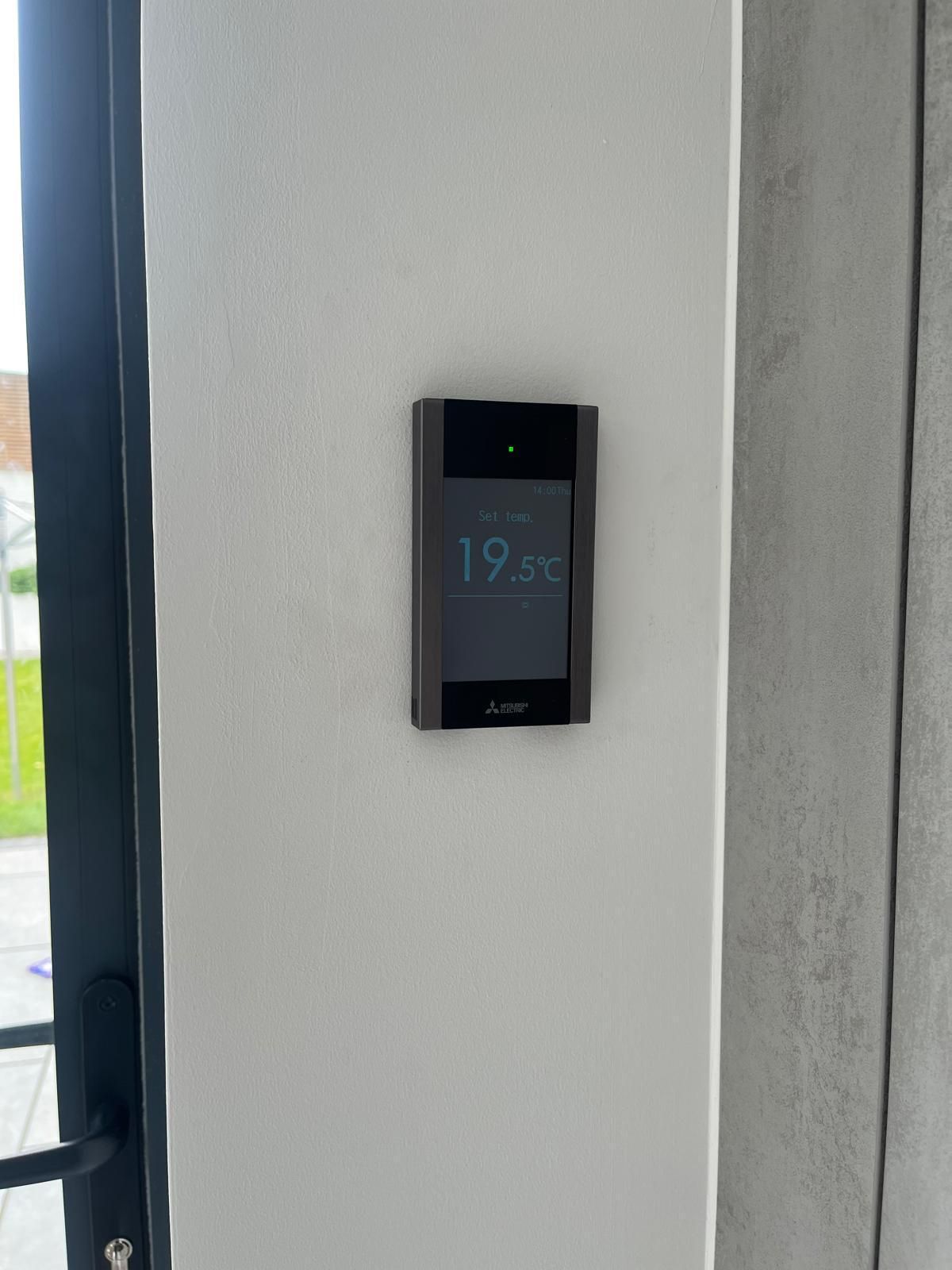
A quick check of the remote or wall controller can save a lot of stress.


Typical fix: settings adjustment + correct temperature setup

Pro tip: cooling works best when set to a steady, realistic temperature like 20–22°C


5. The Coils Need Cleaning

Over time, the coils inside your air conditioning system collect dirt and dust. Once that happens, it becomes harder for the system to transfer heat efficiently.


This means your system may still operate, but it can’t cool properly — and it often becomes noisier and less efficient too.


Coil cleaning is one of those things most homeowners don’t think about… until performance starts dropping.


Typical fix: professional internal clean + airflow check

Common sign: the system cools slightly but never feels “crisp”


6. There’s a Sensor or Thermostat Issue

Your air conditioning relies on sensors to detect room temperature and manage output. If a sensor is faulty or misreading the room temperature, your unit may stop cooling too soon or behave inconsistently.


Sometimes the room feels warm, but the system thinks it has already done the job — so it reduces cooling before it should.


Typical fix: sensor diagnosis + calibration or replacement

Common sign: cooling starts then stops, or never reaches the set temperature


7. A Component Has Failed (Fan, Capacitor, PCB, Compressor)

If your air con has completely stopped cooling, and the basic checks don’t help, the issue may be a failed component.


This sounds scary, but not every component failure is catastrophic. For example, fan issues, electrical faults, or board-related problems can often be repaired without replacing the entire system.


The key is getting it diagnosed quickly — because the longer a failing component is left, the more likely it is to cause bigger damage.


Typical fix: parts repair or replacement after professional testing

Common sign: unit turns on, but performs poorly or shuts down unexpectedly


So… What Does It Usually Cost to Fix?

This is the part homeowners want to know straight away — and it’s completely fair.


The cost depends on what’s actually wrong, but most domestic fixes fall into a few general categories:


If it’s a simple airflow issue (filters, cleaning, settings), the fix is normally fairly quick and affordable. If it’s refrigerant-related, it tends to be more involved because leaks must be identified and repaired properly. And if a component has failed, costs can vary depending on parts and labour.


The best thing to do is book an inspection early. Small issues caught in time are almost always cheaper than waiting until the unit fails completely.


What You Can Try at Home First (Before Calling an Engineer)

Before you assume the worst, here are a couple of quick checks you can do safely:

  • Make sure the unit is set to COOL mode
  • Check the temperature setting is low enough (around 20–22°C)
  • Look for obvious dust buildup on the filters
  • Make sure doors and windows are closed in the room
  • Check the outdoor unit area isn’t completely blocked


If it’s still not cooling properly after that, it’s time for a professional diagnosis.


When to Book a Repair (Don’t Wait Too Long)

If your air conditioning isn’t blowing cold air, it’s tempting to leave it for “later” — but that usually makes things worse.


You should book a repair if:

  • Your system is blowing warm air consistently
  • Cooling has become noticeably weaker over time
  • You hear unusual noises (buzzing, rattling, clicking)
  • The unit shuts off unexpectedly
  • You’ve tried basic checks and nothing improves


A quick call-out can often restore performance before it turns into a bigger problem.


Need Help Fixing Your Home Air Conditioning?

If your air conditioning isn’t cooling properly, JP Air Conditioning can help.


We provide professional domestic servicing, diagnostics and repairs across Hampshire, Surrey and the surrounding areas, helping homeowners get their systems running efficiently again — without confusion or unnecessary upselling.


Want to get your cooling back?

Call 01252 929395 or visit www.jpairconditioning.co.uk to book a home repair or inspection.
Contact Us Today!
January 14, 2026
Let’s Be Honest — This Is the Big Question  If you’re thinking about getting air conditioning at home (or you’ve already got a system installed), you’ve probably asked yourself the same thing most homeowners ask: “Is home air conditioning expensive to run?” It’s a fair question — and one that comes up even more often now that energy prices have been unpredictable over the last few years. The truth is, home air conditioning can become expensive if it’s used inefficiently, installed poorly, or not maintained properly. But for most modern systems, the actual running costs are usually far lower than people expect — especially if you use it the right way. In this guide, we’ll explain what home air conditioning typically costs to run in the UK, what affects those costs, and what you can do to keep your bills down while staying comfortable. So… How Much Does Home Air Conditioning Cost to Run in the UK? The cost of running air conditioning depends on a few things, but the biggest factor is the type of system you have. Most homes that install air conditioning use a modern, energy-efficient split system. These systems use inverter technology, which means they don’t just blast cold air at full power all day. Instead, they reach your set temperature and then “tick over” efficiently to maintain it. That’s why newer systems are much cheaper to run than many people assume. A single well-installed domestic unit, running in a normal-sized room, will typically cost less than running old-fashioned electric heaters — and in many cases, it’s far more efficient than trying to cool a room with fans that never actually reduce the temperature. What Affects Your Air Conditioning Running Costs? If two neighbours have the same unit, they can still have completely different bills — and it usually comes down to how the system is being used and how the home is set up. One of the biggest cost factors is the size of the room and how well insulated it is. If the room has poor insulation, large windows, or lots of heat coming in during the day, the system needs to work harder to stay cool. The temperature you set also matters. Many homeowners accidentally make the system work overtime by setting it far lower than it needs to be. It’s understandable — you want quick relief — but forcing the unit to hit an extreme low temperature can increase usage. A steady and realistic temperature tends to be both more comfortable and cheaper in the long run. It also depends on how often you use it. If you only cool the room when you’re in it, costs are naturally lower than if it’s left running all day in an empty home. Finally, the condition of your system matters more than most people realise. A unit that hasn’t been serviced in years will almost always run less efficiently than a clean, well-maintained one — which means higher running costs and weaker performance. The Biggest Mistake Homeowners Make (That Sends Bills Up) Here’s the most common thing we see: people turn the air conditioning on only when they’re already too hot, then they set it extremely low, and run it at full power. This works in the short term, but it isn’t the most efficient way to cool a home. Air conditioning is usually cheaper to run when it’s used steadily and sensibly, rather than in short bursts of maximum output. Think of it like heating — it often takes more energy to constantly stop and start than it does to maintain a comfortable baseline. How to Reduce Your Running Costs Without Losing Comfort The good news is you don’t need to “use it less” to lower costs. Most of the time, you simply need to use it smarter. Setting your system between 20–22°C in summer is usually enough for comfortable cooling without pushing the unit too hard. You can also make a big difference by keeping doors and windows closed while it’s running, especially during the hottest part of the day. If your unit has eco mode, timers, or smart controls, it’s worth using them. Being able to cool a room before you sleep, or switch it off automatically during the night, helps avoid wasted energy and stops the system from running longer than needed. A lot of homeowners are also surprised by how much their running costs improve after a service. When filters are clean and airflow is unrestricted, the system reaches temperature faster and uses less electricity overall. What About Using Air Conditioning in Winter? This is where things get even more interesting. Many modern home air conditioning systems can also heat your home using heat pump technology. In fact, for some households, using air conditioning for heating can be more energy efficient than traditional electric heating. So if you’re worried about value for money, it’s worth thinking of air conditioning as a year-round comfort system rather than a “summer expense.” Is Air Conditioning Cheaper Than Fans? Fans cost less to run, but they don’t cool the room — they just move air around. So while they might feel nice for a moment, they don’t solve the problem when the temperature is genuinely too high. Air conditioning actually lowers the room temperature, removes humidity, and provides consistent comfort, which is why it’s often worth the cost for bedrooms, home offices, and living spaces where you spend most of your time. If Your Bills Are High, It Might Not Be the Air Con’s Fault Sometimes homeowners tell us, “My air conditioning is costing too much to run,” when the real issue is that something isn’t working efficiently. Dirty filters, incorrect settings, low refrigerant, poor installation, or an oversized or undersized unit can all lead to higher energy use than necessary. If your system seems to be working harder than it should, it’s worth getting it checked. Often a simple service or adjustment brings the costs back down again. Want Lower Running Costs? Speak to JP Air Conditioning At JP Air Conditioning, we help homeowners across Hampshire, Surrey and the surrounding areas install, maintain and optimise energy-efficient air conditioning systems that are designed for comfort without unnecessary cost. Whether you’re thinking about installing a new unit, need servicing, or want to improve the efficiency of your existing system, we’ll give you clear advice and a solution that suits your home. Want a quote, a system check, or advice on running costs? Call 01252 929395 or visit www.jpairconditioning.co.uk to speak to our team.
January 14, 2026
If You’ve Ever Wondered “Do I Really Need to Service My Air Con?” You’re Not Alone When it comes to home air conditioning, most people only think about it when something goes wrong. It makes sense — if it’s cooling the room properly and you’re comfortable, it’s easy to assume everything’s fine. But just like a car, an air conditioning system needs routine care to keep it running efficiently. And when it doesn’t get serviced, it tends to show up in two ways: your energy bills creep up slowly… and then one day the system stops working properly at the worst possible time. So let’s talk about the question many homeowners search for: How much does home air conditioning servicing cost in the UK, and is it actually worth paying for? What Is the Average Cost of Home Air Conditioning Servicing in the UK? Home air conditioning servicing costs can vary depending on the type of system you have and what condition it’s in. A simple service on a single wall-mounted unit is obviously different from servicing multiple indoor units across a large property. But in most cases, homeowners can expect servicing to be a relatively affordable, sensible investment — especially compared to the cost of emergency repairs or full system replacement. A service isn’t just a “quick look” either. It’s a full health check of the system, designed to make sure everything is running safely, cleanly, and efficiently. What’s Actually Included in a Home Air Conditioning Service? A proper air conditioning service is about much more than wiping a unit down. The goal is to make sure your system is performing the way it should — and to spot small problems before they turn into expensive breakdowns. During a typical domestic service, an engineer will check how well your system is cooling (or heating), measure performance and airflow, inspect filters and internal components, and make sure the system is operating safely. They’ll also look for things that homeowners wouldn’t normally notice, like early signs of refrigerant leaks, blocked drainage systems, or electrical components that are under strain. Most importantly, they’ll leave you with confidence that your system is ready to perform properly — whether that means keeping the house cool in summer or helping heat the home in winter. Why Servicing Your Air Con Saves You Money Over Time This is the part that surprises people: a service can actually reduce your running costs. When air conditioning systems get dirty or clogged internally, they have to work harder to hit your target temperature. That means higher electricity usage, slower cooling, and more wear on the system over time. But when filters are clean, airflow is unrestricted, coils are performing efficiently and the system is properly checked, your air conditioning runs more smoothly and uses less energy. So even if your system seems fine, servicing is one of the smartest things you can do if you want it to stay efficient and cost-effective. The Real Value: Preventing Breakdowns (Especially in Summer) Most emergency air conditioning repairs happen during the hottest weeks of the year, when systems are pushed hardest and demand for engineers is high. What usually happens is this: the air con has been slowly struggling for months, but it still “sort of works.” Then a heatwave hits, it gets used heavily, and something finally gives. Servicing helps you avoid that completely. It catches early warning signs before they turn into big problems — things like reduced refrigerant levels, worn components, or blocked drainage pipes. These small issues are normally quick to address during a routine visit, but they can be costly if they’re left until the system fails. How Often Should Home Air Conditioning Be Serviced? Most homeowners benefit from servicing their air conditioning system once a year. If your system is used heavily, or if you run it year-round (cooling in summer and heating in winter), it can make sense to service it more frequently. It’s also worth servicing more often if anyone in the home suffers from allergies or breathing issues, because clean filtration and airflow make a noticeable difference to indoor air quality. Is Home Air Conditioning Servicing Worth It? In short — yes, for most households it absolutely is. Servicing is one of those costs that feels easy to skip, because everything seems fine… until it isn’t. But the truth is, air con servicing is usually far cheaper than repairs, and it keeps your system running efficiently for longer. Think of it less as “paying to maintain something that works,” and more as protecting the investment you’ve already made. Because once you’ve experienced reliable, quiet, efficient air conditioning at home, you don’t want to be without it when you need it most. Signs Your System Might Be Due a Service Even if you don’t keep track of service dates, your air conditioning often gives you subtle signs when it needs attention. If it feels like the system isn’t cooling the room as quickly as before, or you’ve noticed weaker airflow, unusual smells, or the unit is noisier than normal, those are all signs that a service could improve performance. And even if none of that applies — an annual service is still a smart move for peace of mind. Book Home Air Conditioning Servicing with JP Air Conditioning If you’re based in Hampshire, Surrey or the surrounding areas, JP Air Conditioning provides professional domestic air conditioning servicing designed to keep your system clean, efficient and reliable. We’ll check performance, improve airflow, help reduce running costs, and make sure your system is ready for the months ahead. Want to book a home air conditioning service? Call 01252 929395 or visit www.jpairconditioning.co.uk to arrange a visit.
January 14, 2026
Introduction If your air conditioning has stopped working properly at home, one of the first questions you’ll probably ask is: “How much is this going to cost me?” And honestly, it’s a fair question. Whether your unit isn’t cooling like it used to, it’s making strange noises, or it’s stopped turning on altogether — a home air conditioning repair can feel stressful when you don’t know what you’re dealing with. The good news is that most domestic air conditioning issues are very fixable, and the cost is often lower than people expect (especially if you catch the problem early). In this guide, we’ll break down typical home air conditioning repair costs in the UK for 2026, what affects the price, and what you can do to avoid future breakdowns. What Is the Average Cost to Repair Home Air Conditioning in the UK? In the UK, domestic air conditioning repair prices can vary depending on the type of system you have, the fault involved, and whether parts are needed. As a general guide, homeowners can expect most air conditioning repairs to fall into one of three categories: Minor fixes (quick adjustments, sensor issues, small leaks, airflow problems) Medium-level repairs (component replacements, refrigerant issues, drainage problems) Major repairs (compressor problems, electrical faults, significant leaks, full system failure) In many cases, what feels like a “big problem” is actually a relatively simple fix — which is why diagnosing the issue properly is always the best first step. What Impacts the Cost of an Air Conditioning Repair? Repair pricing isn’t one-size-fits-all, and there are a few reasons some faults cost more than others. 1. The Type of Fault Some problems are quick to resolve, while others require more investigation. For example, a blocked filter or a minor airflow issue can often be fixed quickly, whereas an electrical fault may take longer to identify. 2. Whether Parts Are Needed If a replacement part is required, this will increase the repair cost. Some parts are inexpensive and readily available, while others (particularly brand-specific components) may cost more. 3. Your System Type A single wall-mounted split system is usually easier to repair than a complex multi-room setup — simply because there are more components involved. 4. How Old the System Is Older units may use discontinued parts or older refrigerants, which can raise the cost and increase repair time. 5. The Speed You Need It Fixed If you need urgent repairs during a busy seasonal period (like a summer heatwave), availability can be tighter. Booking servicing and diagnostics early can help avoid that situation altogether. Most Common Home Air Conditioning Faults (and What They Usually Mean) Home air conditioning doesn’t often fail without warning. Here are some of the most common problems homeowners experience: Your Air Conditioning Isn’t Blowing Cold Air This can happen for several reasons — including low refrigerant, dirty filters, or a sensor issue. In many cases, the system isn’t “broken” — it’s just struggling to perform efficiently. It’s Blowing Air, But It’s Weak Weak airflow is often caused by clogged filters, blocked vents, or a fan issue. This is one of the most common fixes we see, and it’s also one of the easiest to prevent with maintenance. Water Leaking From the Unit If water is dripping from an indoor unit, it’s usually linked to a blocked condensate drain or a buildup of dirt inside the system. Strange Noises (Buzzing, Rattling, Clicking) Unusual noises are often a sign that something is loose, worn, or working harder than it should. These are worth checking quickly — because leaving it too long can lead to bigger issues. It Won’t Turn On This could be a power supply issue, electrical fault, control problem, or internal safety shut-off. This is where professional diagnostics are essential. Repair vs Replace: When Is It Worth Fixing? This is another question many homeowners ask — especially if their system is older. Generally speaking, it’s worth repairing your air conditioning if: The system is under 10 years old It has been serviced regularly The repair is small to medium Performance has been good up to now But replacement might make more sense if: Repairs are becoming frequent The system is outdated and inefficient Parts are difficult to source The unit uses older refrigerants Your energy bills are climbing A trustworthy engineer should always give you honest advice on the best long-term option — even if that means recommending an upgrade. How to Reduce Air Conditioning Repair Costs Long-Term If there’s one thing we see time and time again, it’s this: Small issues become expensive when they’re ignored. The easiest way to avoid repair costs is through routine servicing. A well-maintained home air conditioning system runs more efficiently, breaks down less often, and lasts much longer. Even a simple annual service can make a huge difference — especially if you use your system for both summer cooling and winter heating. Need Home Air Conditioning Repair? Get Expert Help If your home air conditioning isn’t working properly, the fastest way to get answers is to book a professional inspection. At JP Air Conditioning, we provide domestic air conditioning repairs, servicing and honest guidance for homeowners across Hampshire, Surrey and the surrounding areas. We’ll identify the issue quickly, explain the options clearly, and help you get your comfort back — without unnecessary upselling or confusion. Need a repair quote or diagnosis? Contact JP Air Conditioning today to book a call-out or inspection. 01252 929395 | www.jpairconditioning.co.uk
November 25, 2025
You’re Not Imagining It — Your Office Really Is Colder Than It Should Be Every winter, the same conversation happens in workplaces across the UK. Someone walks in rubbing their hands together, muttering about how cold it is. Another grabs a blanket or wears their coat all day. Someone else asks if the heating’s even on. And despite turning the thermostat up again (and again), the place still feels chilly. It’s frustrating, uncomfortable and — let’s be honest — not great for morale or productivity. What many businesses don’t realise is that it’s not always the heating system to blame. In fact, your air conditioning might be the key to solving the problem. Yes, really. Modern commercial AC isn’t just for cooling in summer. It can actually heat your workspace faster, more efficiently and more evenly than traditional radiators. And once you understand how it works, winter suddenly becomes much more manageable. Why Offices Often Feel Cold in Winter Most offices don’t struggle because the heating is “broken.” The issues are usually far more subtle — uneven heat distribution, cold spots caused by large windows or external walls, heat that rises and never comes back down, blocked airflow, or even outdated systems that simply aren’t up to the job anymore. Add in the classic winter thermostat battle (you know the one — one person’s boiling, the rest are freezing), and it’s no wonder some workplaces never feel quite right. But here’s the interesting part: your air conditioning can often fix these problems far better than your heating can. Your Air Conditioning Isn’t Just for Summer Today’s commercial AC systems use heat pump technology, meaning they can extract warmth from the outside air — even when it’s cold — and bring it indoors. And they do it extremely efficiently. Unlike radiators, which take their time and warm the room unevenly, air conditioning circulates warm air quickly and consistently. Instead of pockets of heat and cold, you get a stable, comfortable temperature across the entire workspace. The result? No more cold corners. No more staff wrapped in scarves. No more cranking the thermostat to 28°C and hoping for the best. Just a warm, comfortable office that’s easier and cheaper to heat. Why Your AC Might Not Be Helping Yet If your air conditioning isn’t currently making things warmer, it may not be the system that’s the issue — it may simply need a little attention. Sometimes AC gets left in cooling mode by accident. Or filters get blocked and restrict warm airflow. Or the system hasn’t been serviced in a while and isn’t performing at its best. And of course, older units can struggle to provide reliable heating because they weren’t designed with the same efficiency and heat pump tech as modern systems. A quick check or professional assessment often fixes the problem quickly. The Power of Smart Controls in Winter Another big factor in winter comfort is control — and most offices don’t have very good control over their heating. Someone changes the thermostat, someone else changes it back, the system gets confused, and the room ends up too hot or too cold. Smart-controlled air conditioning changes all of that. With modern control systems, you can warm the office before staff arrive, keep temperatures steady throughout the day, and prevent constant thermostat-tweaking that wastes energy. You can even monitor and adjust everything remotely. It’s smarter, smoother and far more comfortable for everyone. Warm Offices Make Happier Teams When your office is warm enough, people focus better. They move more. They feel more motivated. They’re not sitting there tense and hunched trying to stay warm. A comfortable workspace genuinely boosts productivity — and your air conditioning system plays a huge role in creating that environment. At JP Air Conditioning, we provide thorough maintenance for commercial systems of all sizes — offices, retail spaces, restaurants, schools and industrial units. A simple service visit can transform the way your workplace feels this winter. How JP Air Conditioning Can Help You Create a Warmer Winter Workplace If your office feels colder than it should, we can help pinpoint the issue and get your system winter-ready. Our team provides full system assessments, winter servicing, filter cleaning, smart control upgrades and complete heating optimisation for commercial spaces. Whether you run an office, shop, school, restaurant or industrial building, we make sure your workplace stays warm, comfortable and energy efficient all winter long. Ready to Warm Up Your Workspace? If your office is too cold, uncomfortable or inconsistent, your air conditioning system may be the answer — and we’d be happy to help you get the best from it. Book a winter system check or commercial heating assessment today. 01252 929395 www.jpairconditioning.co.uk Serving Hampshire, Surrey and the South East Because a warm office isn’t a luxury — it’s essential for a productive, happy team.
November 25, 2025
Winter Air Quality: A Hidden Workplace Problem When winter arrives and temperatures drop, the first thing most workplaces do is shut the windows and turn up the heating. It makes perfect sense — but it also creates a problem that many businesses don’t notice until it’s already affecting staff: poor indoor air quality. With less fresh air coming in, pollutants, dust, bacteria and stale air start to linger. People feel more tired, more congested and more prone to headaches and illness. Productivity dips, sickness rates climb, and the workplace feels heavier and less comfortable overall. The good news? Your air conditioning system — especially if it’s a modern, smart-controlled unit — can play a huge role in improving air quality throughout the winter. At JP Air Conditioning, we help businesses across Surrey, Hampshire and the South East create healthier, more comfortable environments during the coldest months of the year. Here’s how you can use smart air conditioning to keep your air fresh, clean and inviting all winter long. Let Your Air Conditioning Do the Fresh-Air Work for You Opening windows isn’t practical in winter, but that doesn’t mean you have to sacrifice ventilation. Many modern air conditioning systems help circulate fresh air throughout the workspace, reducing the buildup of pollutants and preventing the room from feeling ‘stuffy’. If your system has a fresh air intake or can be paired with ventilation units, it will pull in filtered outside air and distribute it evenly. This keeps COâ‚‚ levels down, lowers humidity, and stops the environment from becoming stale — all while keeping the indoor temperature comfortable. Even without a dedicated fresh air module, simply running your AC on a low, steady setting can keep air moving and prevent that trapped, heavy feeling many offices get in winter. Use Built-In Filtration to Reduce Dust, Allergens and Bacteria One of the best ways AC improves winter air quality is through its filtration system. Modern air conditioners use advanced filters designed to trap dust particles, mould spores, pollen, and even certain bacteria. This constant filtering makes a noticeable difference in how your workplace feels — and how your staff feel too. However, filtration will only work effectively if your system is clean. Over winter, when air recirculates more frequently, filters get clogged faster. A simple filter clean or replacement can dramatically improve airflow, reduce odours, and support a healthier working environment. It’s a small step that makes a big difference, especially in busy offices. Keep Humidity Under Control for a More Comfortable Environment Winter heating systems tend to dry out the air, making workplaces feel harsh and uncomfortable. Dry air can cause irritation, cracked skin, sore throats and can even increase static electricity around computers and equipment. Smart air conditioning gives you much more control over humidity levels. Some systems have a built-in humidity setting that prevents the air from becoming too dry, while others naturally balance moisture levels as they regulate temperature. Maintaining a healthy humidity level creates a noticeably more comfortable workplace — and helps protect sensitive equipment from winter dryness too. Maintain Steady Temperatures Without Overheating If your workplace swings between too cold and too warm during winter, it creates an environment where people feel uncomfortable and lethargic — and where air quality feels worse than it is. Overheating can make indoor air feel heavy, stuffy and difficult to breathe. Smart-controlled air conditioning helps maintain a consistent, balanced temperature, avoiding those up-and-down spikes that traditional heaters create. With app control, programmable schedules and intelligent sensors, you keep your workplace feeling fresh and comfortable without wasting energy. It’s not just about comfort; stable temperatures support better concentration and productivity. Why Winter Is the Perfect Time for a Professional AC Service If your heating and cooling system hasn’t been serviced recently, winter is the ideal time to book a professional maintenance visit. Dust buildup, clogged filters, low refrigerant and worn components all affect your air quality without you realising. A winter service ensures: Clean, efficient airflow Improved filtration performance Reduced energy usage Fresher, healthier air throughout your building At JP Air Conditioning, we provide thorough maintenance for commercial systems of all sizes — offices, retail spaces, restaurants, schools and industrial units. A simple service visit can transform the way your workplace feels this winter. A Healthier Workplace Is a More Productive Workplace When you improve air quality, you improve everything else: the mood, the comfort, the productivity and even the health of your staff. Winter doesn’t have to mean stale air and stuffy rooms — not when your air conditioning can keep the environment fresh, balanced and inviting. Smart AC systems give you powerful control over temperature, humidity and ventilation, helping your workplace stay healthier and more energised throughout the colder months. Create a Fresher, More Comfortable Workplace This Winter If you’d like to improve air circulation, upgrade your system or book a winter maintenance service, our team is here to help. Contact JP Air Conditioning today to improve your workplace air quality this winter. 01252 929395 | www.jpairconditioning.co.uk Serving Surrey, Hampshire and the South East
November 25, 2025
Your Air Conditioning Isn’t Just for Summer If you only switch on your air conditioning during heatwaves, you’re missing out on one of its best features: reliable, efficient winter heating. Modern domestic air conditioning systems do far more than cool a room — they work as powerful, energy-saving heaters thanks to advanced heat pump technology. At JP Air Conditioning, we regularly meet homeowners who are surprised when we tell them they can warm their homes more efficiently using the very same unit they rely on in the summer. So if you want to stay cosy, cut energy costs and enjoy fresher air this winter, here are five simple but effective ways to get the most out of your air conditioning system. 1. Switch to Heating Mode for Instant, Even Warmth This might sound obvious, but many people don’t realise how effective air conditioning is at heating — and how quickly it works. When you switch your unit to HEAT mode, it starts delivering warm air almost instantly. Unlike radiators, which can take a while to kick in and often heat unevenly, air conditioning warms the entire room more consistently. It’s perfect for spaces where you want instant comfort, such as bedrooms on frosty mornings or living rooms before settling down for the evening. A good starting temperature is around 19–21°C, which gives you a comfortable environment without sending your energy bills soaring. 2. Use Timers to Warm Rooms Before You Need Them One of the easiest ways to improve your winter comfort is by letting your air conditioning do the thinking for you. Timers are incredibly useful — simply set the system to warm your room before you wake up or return home from work. Instead of blasting heat in a rush when you feel cold, the system can gently bring the room up to temperature in advance, using far less energy in the process. It feels like walking into a freshly heated space without any effort on your part. 3. Take Advantage of Dehumidification to Prevent Damp Winter brings more than just cold weather — it also introduces dampness, condensation and that tell-tale musty smell many homes struggle with. Most modern air conditioning systems include a dry or dehumidification mode. This doesn’t heat your home, but it helps you maintain a comfortable atmosphere by removing excess moisture from the air. It’s particularly useful in older homes, bathrooms, kitchens and bedrooms where condensation builds up easily. Using your AC this way can help prevent mould growth, protect fabrics and furniture, and make your home feel warmer simply by reducing humidity. 4. Keep Your Filters Clean for Better Warm Airflow A lot of winter heating problems come down to something very simple: blocked filters. If your air conditioning has felt weaker lately — if it seems slower to warm the room or the airflow isn’t as strong — dirty filters are often the culprit. Cleaning or replacing your filters every few weeks keeps warm air circulating freely, which means your home heats up faster and your system doesn’t need to work as hard. It’s one of the easiest ways to stay comfortable while keeping your running costs low. 5. Book a Winter Service to Maximise Efficiency Even the most efficient system benefits from a professional check-up, especially before the coldest months settle in. A winter service ensures your air conditioning is ready to perform at its best when you need it most. During a routine maintenance visit, our engineers at JP Air Conditioning will check refrigerant levels, inspect electrical components, clean coils and make sure everything is running safely and efficiently. A well-maintained system heats more effectively, stays quieter and uses less energy — which means it’s better for both your comfort and your wallet. Why Air Conditioning Is a Smart Heating Choice for UK Homes Many homeowners are turning to air conditioning as their primary winter heating solution — and for good reason. Heat pump systems are far more energy-efficient than electric heaters, provide rapid warmth, and offer complete control over individual rooms. On top of that, you get year-round benefits, including cooling in the summer, air purification, humidity control and consistent comfort whenever you need it. Get Your Home Winter-Ready with JP Air Conditioning If you're curious about how your air conditioning system can heat your home more efficiently — or if you’re considering installing a new system before winter fully hits — we’re here to help. Get in touch with JP Air Conditioning for expert advice, winter servicing and energy-efficient installations across Hampshire, Surrey and the South East. 01252 929395 | www.jpairconditioning.co.uk
November 25, 2025
Yes — Air Conditioning Can Heat Your Home in Winter Most UK homeowners still think of air conditioning as a “summer-only” solution, but modern systems are designed to provide powerful, energy-efficient heating all year round. Thanks to advanced heat pump technology, today’s air conditioners can keep your home warm and comfortable even during the coldest months — often at a fraction of the running cost of traditional heating. At JP Air Conditioning, we install and maintain heat pump–powered systems across Hampshire, Surrey and the South East — helping households cut bills, reduce carbon emissions, and enjoy reliable warmth throughout the winter. How Heat Pump Air Conditioning Works Air conditioning systems that can heat your home are known as reverse-cycle units. They work by extracting heat from the outside air — even in low temperatures — and transferring it indoors. Here’s how it works: The outdoor unit absorbs heat from the outside air. The system compresses the refrigerant, increasing its temperature Warm air is pushed into your home through the indoor unit. The process is reversed in summer to provide cooling. It’s incredibly efficient because the system moves heat rather than creating it, meaning it uses significantly less electricity than electric heaters or older gas boilers. Why Heat Pump AC Is Ideal for UK Winters Even during colder weather, the UK climate is perfectly suited to heat pump efficiency. Many modern systems operate effectively down to –15°C. Key Benefits: 1. Lower Energy Bills Heat pump AC uses up to 70% less energy than traditional electric heaters. This makes winter heating far more affordable — especially with rising energy costs. 2. Fast, Consistent Heating Unlike radiators, which take time to warm up, air conditioning units blow out warm air instantly, heating rooms evenly and quickly. 3. Zoned Heating Control Heat the rooms you use and avoid wasting energy on unused areas. Perfect for bedrooms, home offices, and living spaces. 4. Environmentally Friendly Modern systems use low-GWP refrigerants and reduce your carbon footprint — a key benefit as the UK moves towards net-zero targets. 5. All-in-One Heating & Cooling One system covers every season: Warm in winter Cool in summer Air purification all year round How Heat Pump AC Compares to Other Heating Options Here’s how heat pump air conditioning stacks up against traditional home heating systems: Cheaper to run in many cases More efficient in milder climates Instant warmth 2–3x more energy-efficient Lower running costs Ideal for both new and old properties Heat pump AC often wins in speed, efficiency, and flexibility. Is Heat Pump Air Conditioning Suitable for Your Home? Absolutely — heat pump air conditioning is ideal for: Bedrooms Living rooms Home offices Garden rooms & loft conversions Flats and apartments Whole-home heating with multi-zone systems If your home struggles with cold spots, high bills, or inconsistent heating, a modern AC system could be the perfect upgrade. JP Air Conditioning can assess your home and recommend the most efficient system for your space and budget. Maintenance Tips for Winter Heating Efficiency To keep your system performing at its best through winter: Clean or replace filters every 6–8 weeks Keep the outdoor unit free from leaves, ice, and debris Book a professional service once a year Use recommended temperature settings for efficiency Regular maintenance ensures lower bills, better airflow, and longer system lifespan.  Why Choose JP Air Conditioning for Heat Pump Installations? Certified, experienced heat pump engineers Installations across Hampshire, Surrey & the South East Only high-efficiency brands such as Daikin, Mitsubishi Electric, Toshiba Free home surveys and transparent pricing Long-term servicing and maintenance support 5-star customer experience and trusted local reputation We help homeowners enjoy warm, energy-efficient comfort all winter — with systems built to last. Final Thoughts Heating your home with air conditioning isn’t just possible — it’s one of the smartest, most efficient options available today. With low running costs, fast warm-up times, and year-round flexibility, heat pump AC is transforming how UK households stay warm in winter. Ready to heat your home the energy-efficient way? Contact JP Air Conditioning today for a free survey and quote across Hampshire, Surrey, and the South East. 01252 929395 | www.jpairconditioning.co.uk
November 5, 2025
Staying Cool and Compliant in 2025 The world of air conditioning is changing — and fast. As the UK pushes toward its net-zero carbon goals, new regulations are being introduced to make air conditioning systems safer, greener, and more energy-efficient. For homeowners, landlords, and business owners, these updates mean it’s more important than ever to understand your legal responsibilities and ensure your system is compliant. At JP Air Conditioning, we make this simple. Our fully qualified engineers work with the latest technology and stay up to date with every regulatory change — so you can enjoy reliable comfort without worrying about compliance. What’s Changing in 2025? The key focus of the 2025 UK air conditioning regulations is reducing environmental impact, particularly through stricter control of F-Gases (fluorinated greenhouse gases) used in refrigerants. Here’s what’s coming: 1. F-Gas Phase-Down The UK is continuing to phase down high-GWP (Global Warming Potential) refrigerants. From 2025, systems using certain high-GWP gases will be restricted or banned. Only low-GWP or natural refrigerants will be permitted in new systems, helping to reduce emissions significantly. 2. Accredited Installers Only Handling, installing, or servicing any system containing F-Gases must be done by a certified engineer. This ensures the gases are managed safely and legally. JP Air Conditioning’s engineers are F-Gas certified and trained to handle all modern refrigerant types safely. 3. Energy Efficiency Standards Under Part L of the Building Regulations, energy performance requirements are becoming tighter. Systems installed in 2025 must meet higher efficiency ratings — meaning they use less power and lower carbon emissions. 4. Maintenance and Record-Keeping Businesses and landlords are now legally obliged to maintain up-to-date records of refrigerant quantities, leak checks, and servicing. Regular inspections are required for systems with more than 5 tonnes of COâ‚‚ equivalent. Failure to maintain proper records or service equipment can lead to fines and invalid insurance policies. What This Means for Homeowners If you have an air conditioning system at home — or are thinking about getting one — these updates are good news. Newer, compliant systems are: More energy efficient – lowering your running costs. Quieter and more reliable – using advanced compressor technology. Better for the environment – with low-impact refrigerants. However, it’s crucial to ensure your installation is handled by a qualified professional and that older systems are properly maintained. JP Air Conditioning can inspect your existing unit, advise on whether it meets 2025 standards, and recommend an upgrade if needed. Even small leaks or outdated refrigerants can cause inefficiency, higher bills, and environmental harm — all of which are avoidable with regular servicing. What This Means for Businesses Commercial properties — offices, retail units, restaurants, and industrial facilities — are under increased scrutiny in 2025. If your system uses high-GWP refrigerants or exceeds 5 tonnes COâ‚‚ equivalent, you must: Schedule regular leak checks by certified engineers. Keep detailed records of maintenance and refrigerant quantities. Ensure your system meets energy performance targets. Non-compliance can lead to fines, legal penalties, and reputational damage. But there’s also a financial incentive: well-maintained systems run up to 20% more efficiently, reducing operational costs year-round. JP Air Conditioning provides tailored maintenance contracts for businesses across Hampshire, Surrey, and the South East — ensuring every client stays compliant, efficient, and comfortable. How JP Air Conditioning Ensures Full Compliance At JP Air Conditioning, we don’t just install systems — we ensure they meet every UK regulatory requirement from day one. Our compliance approach includes: F-Gas Certified Engineers: All our installers and maintenance staff are fully qualified. Ongoing Training: We track and implement every update to UK and EU regulations. Energy-Efficient Systems: We work with top brands such as Mitsubishi Electric, Daikin, and Toshiba — leaders in eco-friendly technology. Transparent Records: We provide full documentation for every service visit, giving you proof of compliance at all times. Whether it’s a domestic installation or a large-scale commercial system, you can trust that every job we complete is fully compliant, efficient, and future-proof. Looking Ahead: The Future of Air Conditioning in the UK These 2025 regulations are just the start of a broader industry shift toward sustainability. In the coming years, expect to see: Further restrictions on high-GWP gases. Smart control systems that optimise energy use automatically. Hybrid solutions combining heating, cooling, and ventilation in one energy-efficient package. Choosing a reputable company like JP Air Conditioning means you’re already ahead of the curve. Stay Compliant, Stay Comfortable Keeping up with UK air conditioning regulations might sound complicated — but it doesn’t have to be. At JP Air Conditioning, we handle every part of the process for you: installation, maintenance, documentation, and compliance checks. Contact JP Air Conditioning today to schedule your compliance inspection or installation consultation in Hampshire, Surrey, or the surrounding areas. Call 01252 929395 or visit www.jpairconditioning.co.uk to get started.
November 5, 2025
The Smarter Way to Stay Cool (and Save Money) Rising energy costs are a concern for many Hampshire homeowners — especially during warmer months. While air conditioning used to be seen as a luxury, modern, energy-efficient systems are now one of the smartest ways to reduce household energy waste and maintain perfect comfort year-round. Thanks to new smart air conditioning technology, you can now control, monitor, and optimise your cooling from anywhere — saving energy (and money) without sacrificing comfort. At JP Air Conditioning, we specialise in energy-efficient installations across Hampshire, Surrey, and the South East, helping homeowners enjoy cutting-edge comfort that’s both affordable and sustainable. What Makes Air Conditioning “Smart”? Traditional air conditioning units run at fixed speeds and temperatures — often cooling more than necessary. Smart systems, on the other hand, are designed to think for themselves. Here’s what sets them apart: 1. Wi-Fi Control & App Connectivity Smart air conditioners connect to your home Wi-Fi, allowing you to adjust settings from your smartphone. Forgot to turn the system off before leaving home? No problem — switch it off remotely. Want to cool your bedroom before you arrive? Turn it on from your phone. 2. Intelligent Sensors Many smart systems come with motion and temperature sensors that detect when a room is occupied — automatically adjusting cooling to avoid wasted energy. 3. Learning Algorithms Advanced models “learn” your preferences over time, optimising performance to suit your schedule and habits. 4. Integration with Smart Home Devices Smart air conditioners can integrate with Amazon Alexa, Google Home, or Apple HomeKit, giving you voice control and automated routines. The result? A cooling system that keeps you comfortable while running only when needed. How Smart Air Conditioning Cuts Energy Costs Switching to a modern, efficient system can have a major impact on your bills. Here’s how: Energy-Efficient Inverter Technology All new JP Air Conditioning installations feature inverter-driven compressors, which automatically adjust their speed to maintain your chosen temperature. This uses up to 30–40% less energy than older fixed-speed systems. Zoned Cooling Instead of cooling the entire house, smart systems can target specific rooms or “zones.” You only cool the spaces you’re using — ideal for larger homes or open-plan designs. Accurate Climate Control Smart thermostats ensure precise temperature regulation, avoiding overcooling and unnecessary power usage. Performance Monitoring Smart systems report real-time energy consumption data, allowing you to track and reduce usage over time. By combining inverter technology with smart control, many homeowners in Hampshire are cutting their cooling costs by 20–50% compared to older systems. The Environmental Benefits Energy savings aren’t just good for your wallet — they’re also better for the planet. Smart air conditioning systems use eco-friendly refrigerants with low global warming potential (GWP). Lower power consumption reduces your carbon footprint. Regular maintenance ensures long-term efficiency and minimal waste. JP Air Conditioning works exclusively with trusted, energy-efficient brands such as Mitsubishi Electric, Daikin, and Toshiba — all designed to meet 2025 UK energy and F-Gas standards. Why Upgrade Your Existing System If your air conditioner is more than 10 years old, it’s likely costing you more than it should. Older systems: Use outdated refrigerants that are being phased out. Run at fixed speeds, consuming unnecessary energy. Lack remote control and monitoring features. Upgrading to a smart, inverter-driven system can pay for itself in reduced energy bills and maintenance savings — while keeping your home future-ready. JP Air Conditioning can assess your current system, calculate your potential energy savings, and recommend the most efficient solution for your property and budget. Case Example: A Smart Upgrade in Fleet, Hampshire Recently, JP Air Conditioning installed a Daikin split system in a four-bedroom home in Fleet. The homeowners wanted to keep their property cool in summer without driving up costs. By choosing a smart inverter system with app control, they: Reduced their cooling energy usage by 35% in the first month. Could monitor temperatures room-by-room via smartphone. Reported a quieter, more consistent cooling experience. Small changes like this show just how powerful modern air conditioning can be — both for comfort and cost savings. How JP Air Conditioning Helps You Go Smart We make the upgrade process simple: Free Consultation: We assess your property, current system, and usage patterns. Energy-Efficient Recommendations: We only recommend systems that offer maximum comfort with minimal consumption. Professional Installation: Our certified engineers ensure perfect setup and compliance with 2025 regulations. Aftercare & Maintenance: Regular servicing to maintain peak performance and long-term efficiency. With years of experience and a reputation for excellence across Hampshire and Surrey, JP Air Conditioning helps homeowners enjoy smarter comfort — without complexity. Final Thoughts Smart air conditioning isn’t just a modern convenience — it’s an investment in long-term comfort, efficiency, and savings. Whether you’re upgrading an outdated unit or fitting a new system in your Hampshire home, smart technology helps you stay cool for less — while doing your part for the environment. Ready to go smart? Contact JP Air Conditioning today for expert advice, free quotes, and energy-efficient installations across Hampshire, Surrey, and the South East. 01252 929395 | www.jpairconditioning.co.uk
November 5, 2025
Why Maintenance Matters More Than Ever When your business relies on a comfortable environment — whether it’s an office, retail space, restaurant or warehouse — a well-maintained air conditioning system isn’t optional, it’s essential. Beyond keeping staff and customers comfortable, regular maintenance ensures your system runs efficiently, stays compliant with UK F-Gas regulations, and avoids expensive breakdowns that disrupt productivity. At JP Air Conditioning, we work with businesses across Surrey, Hampshire and the South East to deliver professional, proactive servicing that extends the life of every system and protects your bottom line. The Business Case for Regular Maintenance Keeping up with an annual maintenance schedule can deliver measurable benefits: Lower running costs – Clean filters and tuned components can reduce energy use by up to 30%. Improved reliability – Prevents costly emergency repairs and downtime. Healthier air quality – Reduces dust, allergens and bacteria in the workplace. Compliance confidence – Meets legal obligations under F-Gas and Health & Safety regulations. Longer equipment lifespan – Regular care prevents premature wear and replacements. In short, maintenance pays for itself — and then some. The Ultimate Annual Maintenance Checklist Here’s JP Air Conditioning’s expert guide to what every Surrey business should include in its annual commercial air conditioning service. 1. Visual Inspection & Safety Checks Inspect outdoor and indoor units for damage, corrosion or debris. Verify secure mounts, electrical connections and pipework. Confirm no leaks, unusual noises or vibration. Check all safety switches and emergency shut-offs. 2. Clean or Replace Air Filters Dirty filters restrict airflow and increase energy consumption. Replace or clean filters every 3–6 months, depending on environment. 3. Coil Cleaning Clean condenser and evaporator coils to improve heat exchange. Remove dust and grime that cause overheating or poor cooling. 4. Refrigerant Level & Leak Test Measure refrigerant pressures to ensure correct charge. Detect leaks using approved electronic equipment. Record refrigerant type and quantity for F-Gas compliance. 5. Electrical & Control System Check Inspect wiring, terminals, relays and sensors. Test thermostat calibration and system controls. Verify proper communication between indoor/outdoor units. 6. Drainage & Condensate Line Cleaning Clear condensate trays and drains to prevent leaks or mould growth. 7. Airflow & Temperature Testing Measure airflow rates and output temperatures. Ensure balanced air distribution for consistent comfort. 8. Lubrication & Moving Parts Lubricate fan motors and bearings to reduce friction and noise. 9. Performance Efficiency Test Benchmark system efficiency against manufacturer specifications. Identify any performance drift or component wear. 10. Documentation & Compliance Record Log all maintenance activity, refrigerant data and test results. Keep records accessible for future audits or inspections. JP Air Conditioning provides clients with a full maintenance report after every visit — giving you peace of mind and proof of compliance. Understanding Your Legal Obligations Under UK F-Gas regulations, all businesses operating systems containing fluorinated greenhouse gases must: Conduct regular leak checks by a certified engineer. Maintain detailed service and refrigerant logs. Use qualified F-Gas certified technicians for all work. Dispose of refrigerant and components safely. Failure to comply can result in fines and enforcement action. Partnering with JP Air Conditioning ensures your systems remain fully compliant year-round. How Often Should You Service Your System? While an annual service is the minimum recommendation, some environments require more frequent attention: Offices & Retail: every 12 months Restaurants & Kitchens: every 6 months Data Centres: every 3 months (quarterly) Warehouses: every 12 months, with additional seasonal checks JP Air Conditioning tailors every maintenance plan to your site’s size, usage and system type. Signs Your Air Conditioning Needs Attention Even with routine maintenance, keep an eye out for early warning signs: Unusual noises or vibrations Uneven cooling across rooms Rising energy bills Leaks or damp patches near indoor units Musty or unpleasant smells Catching small issues early can prevent bigger problems later — saving both time and money. Why Surrey Businesses Choose JP Air Conditioning Certified F-Gas engineers with years of commercial experience Comprehensive maintenance contracts tailored to your operation 24/7 support for urgent repairs Transparent pricing with no hidden extras Coverage across Surrey, Hampshire and the South East Our clients range from small local offices to large industrial sites — all trusting JP Air Conditioning to keep their systems compliant, efficient and reliable. Your Partner in Year-Round Comfort and Compliance A well-maintained air conditioning system is the heart of a productive workspace. Let JP Air Conditioning take the stress out of servicing so you can focus on running your business. Book your annual maintenance service today. Call 01252 929395 or visit www.jpairconditioning.co.uk for a free, no-obligation quote.