What’s Involved in a Commercial Air Conditioning Installation? A Step-by-Step Guide for Businesses
Thinking About Installing Air Conditioning? Here’s What Actually Happens
If you’re responsible for a commercial building — whether it’s an office, warehouse, restaurant or mixed-use space — installing air conditioning can feel like a big step.
One of the most common things we hear is: “We want air conditioning, but we don’t really know what the process involves.”
That uncertainty often causes delays. Not because businesses don’t want better comfort — but because they’re worried about disruption, downtime, unexpected costs, or choosing the wrong system.
The reality is that a properly planned commercial air conditioning installation is far more straightforward than most people expect, especially when it’s handled by an experienced installer from the outset.
Here’s a clear, step-by-step overview of what’s involved.
Step One:
Understanding the Building and How It’s Used
Every successful installation starts with a proper site assessment. This isn’t just about measuring rooms — it’s about understanding how the building actually works day to day.
Things like occupancy levels, heat-generating equipment, ceiling heights, layout, operating hours and future expansion plans all play a role in system design. An office full of people and computers behaves very differently to a warehouse or a restaurant kitchen.
Getting this stage right ensures the system is sized correctly, which is critical for comfort, energy efficiency and long-term reliability.
Step Two: System Design and Specification
Once the building has been assessed, the system can be designed properly. This is where commercial installations differ most from domestic ones.
Rather than choosing a single unit, commercial systems are designed around:
- The size and layout of the space
- Zoning requirements
- Cooling and heating demand
- Ventilation requirements
- Energy efficiency targets
- Noise considerations
At this stage, decisions are also made about system type — such as split systems, multi-split setups, or more complex HVAC solutions — depending on what best suits the building.
A well-designed system won’t just meet today’s needs; it will also allow for easier servicing and future changes.
Step Three: Installation Planning (Minimising Disruption)
One of the biggest concerns businesses have is disruption. The good news is that commercial air conditioning installations can usually be planned around your operation.
Installers will agree:
- Installation phases
- Access requirements
- Working hours
- Safety arrangements
- Any out-of-hours work needed
In many cases, work can be completed while the business continues to operate, particularly in offices and retail spaces. Clear planning ensures minimal impact on staff and customers.
Step Four: Installation and System Setup
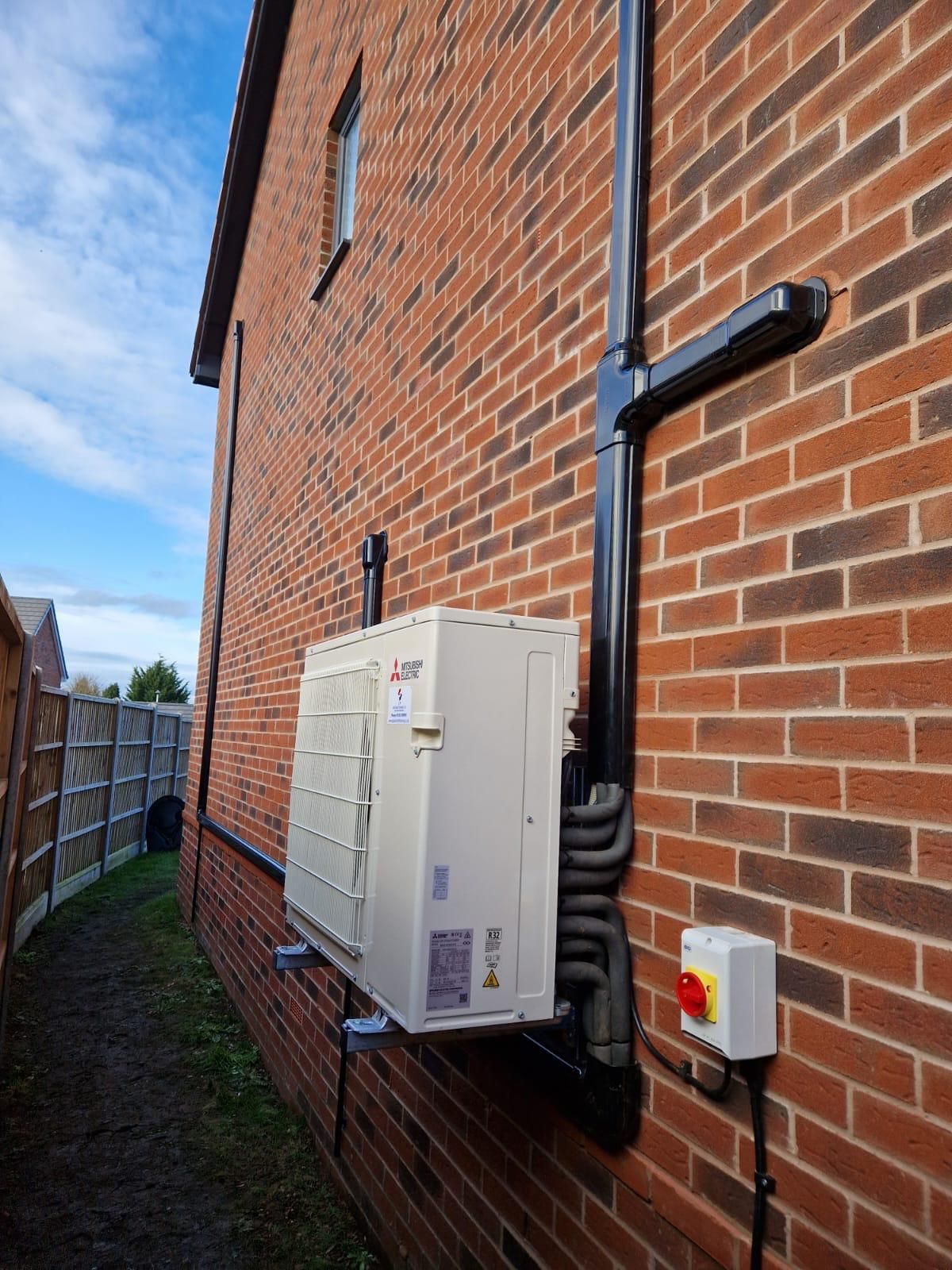
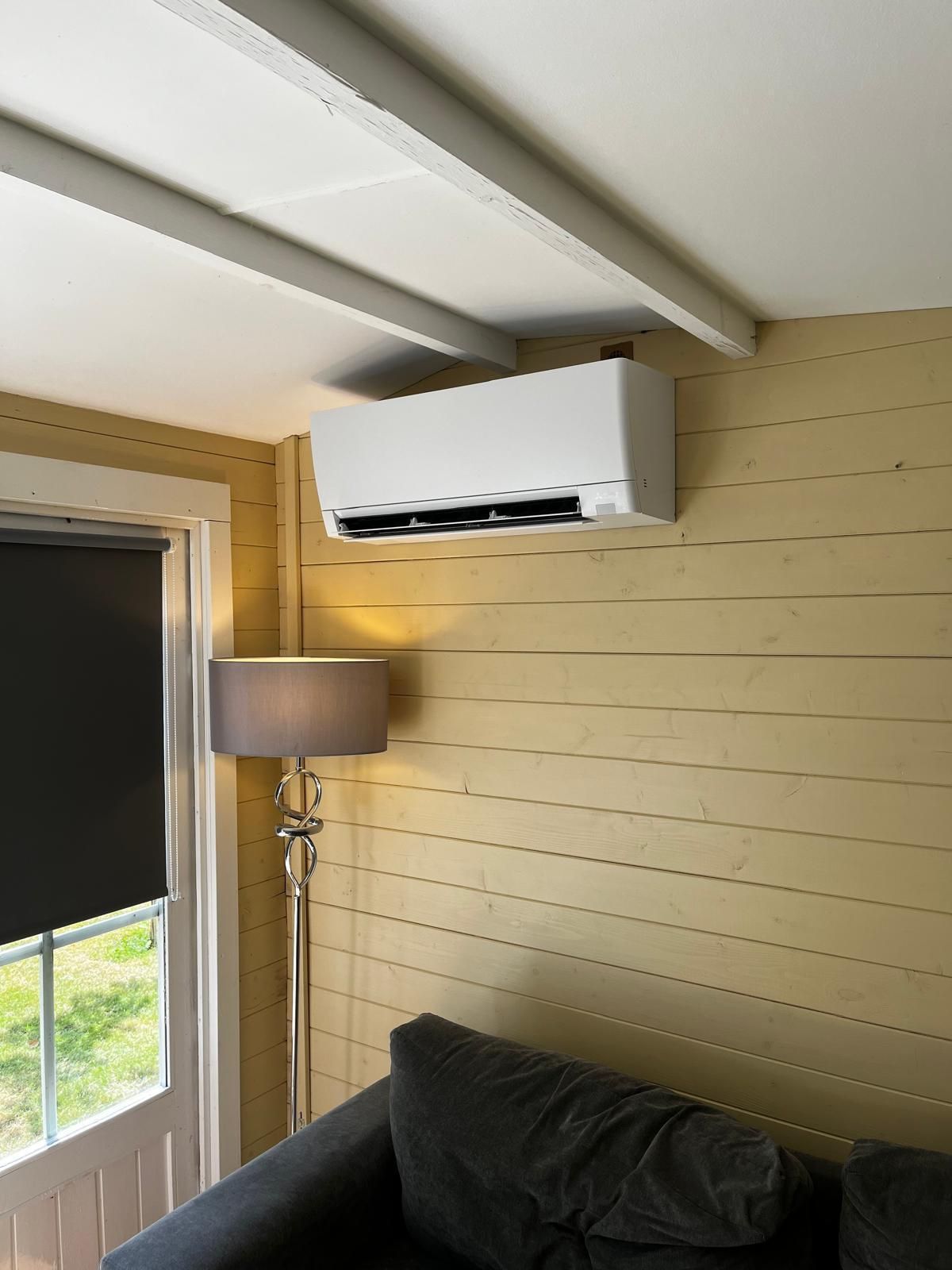
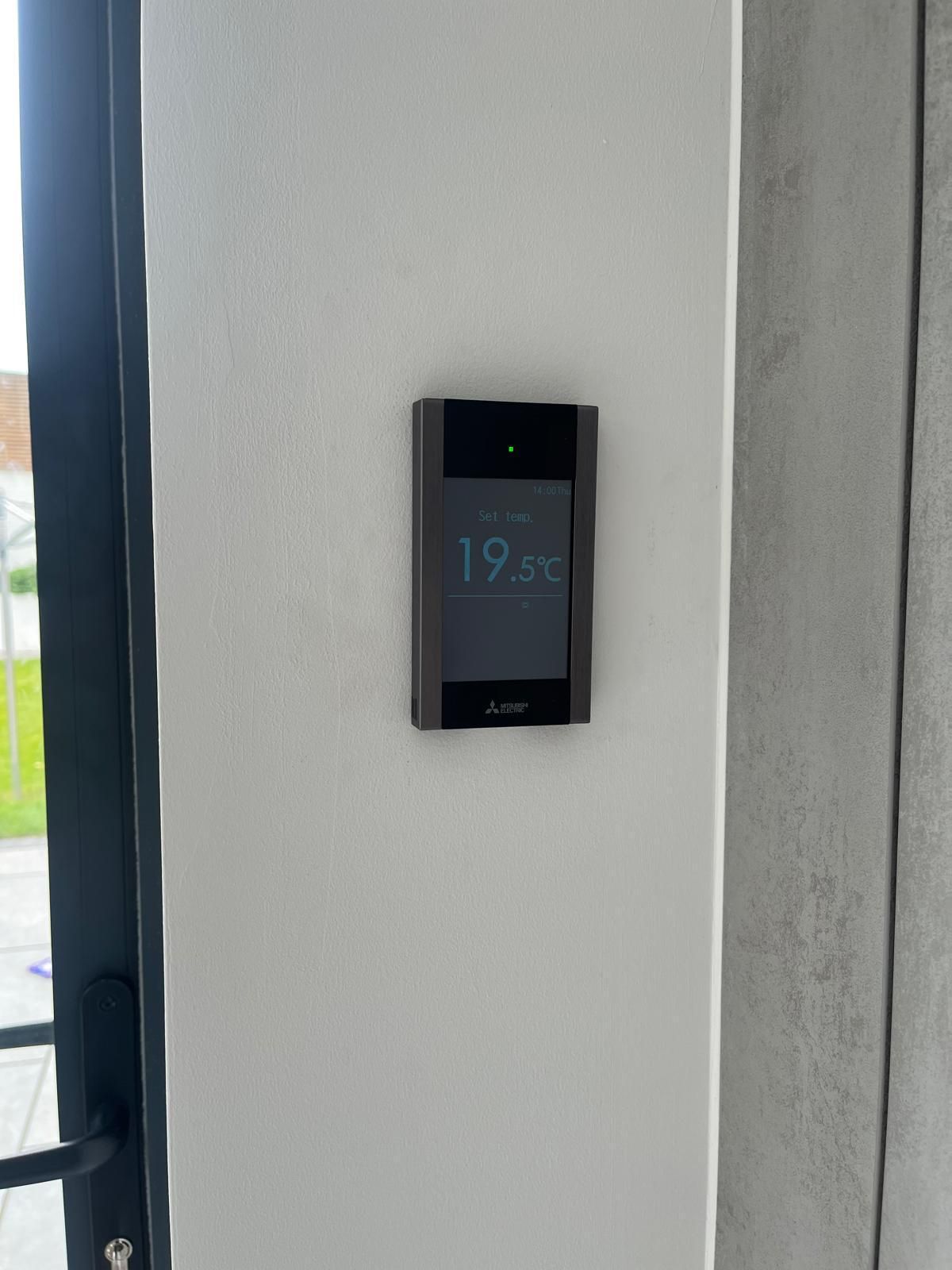
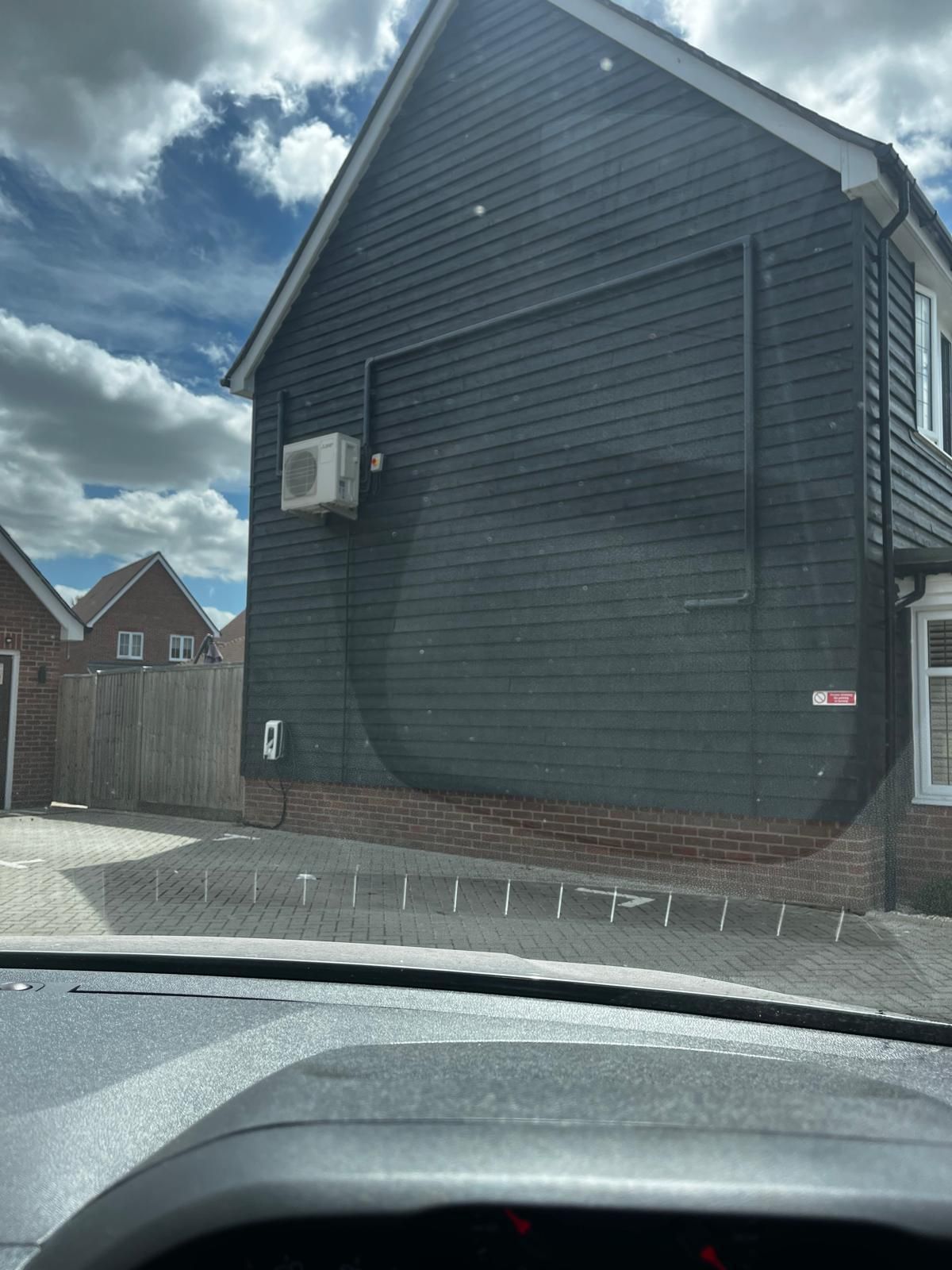
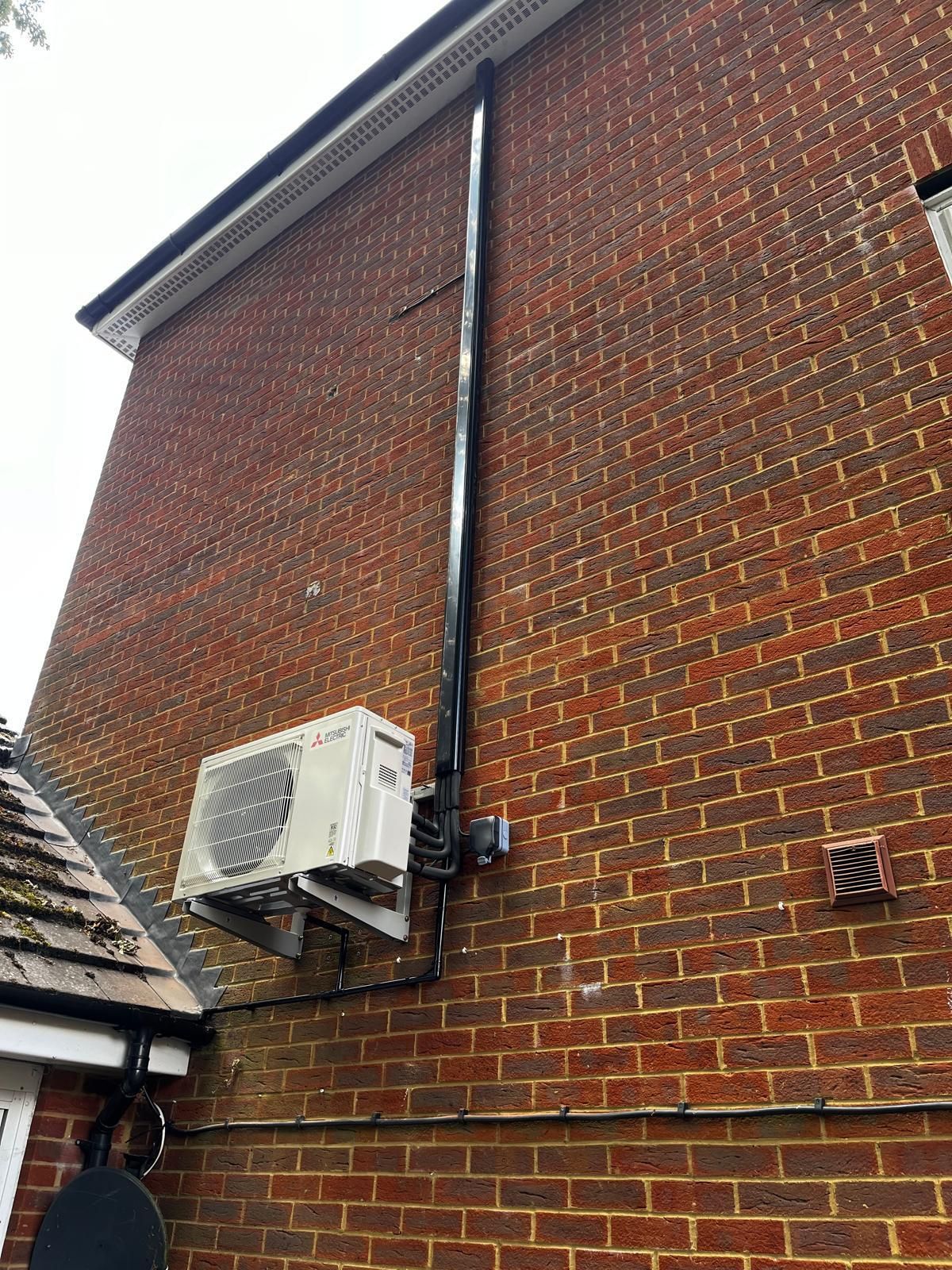
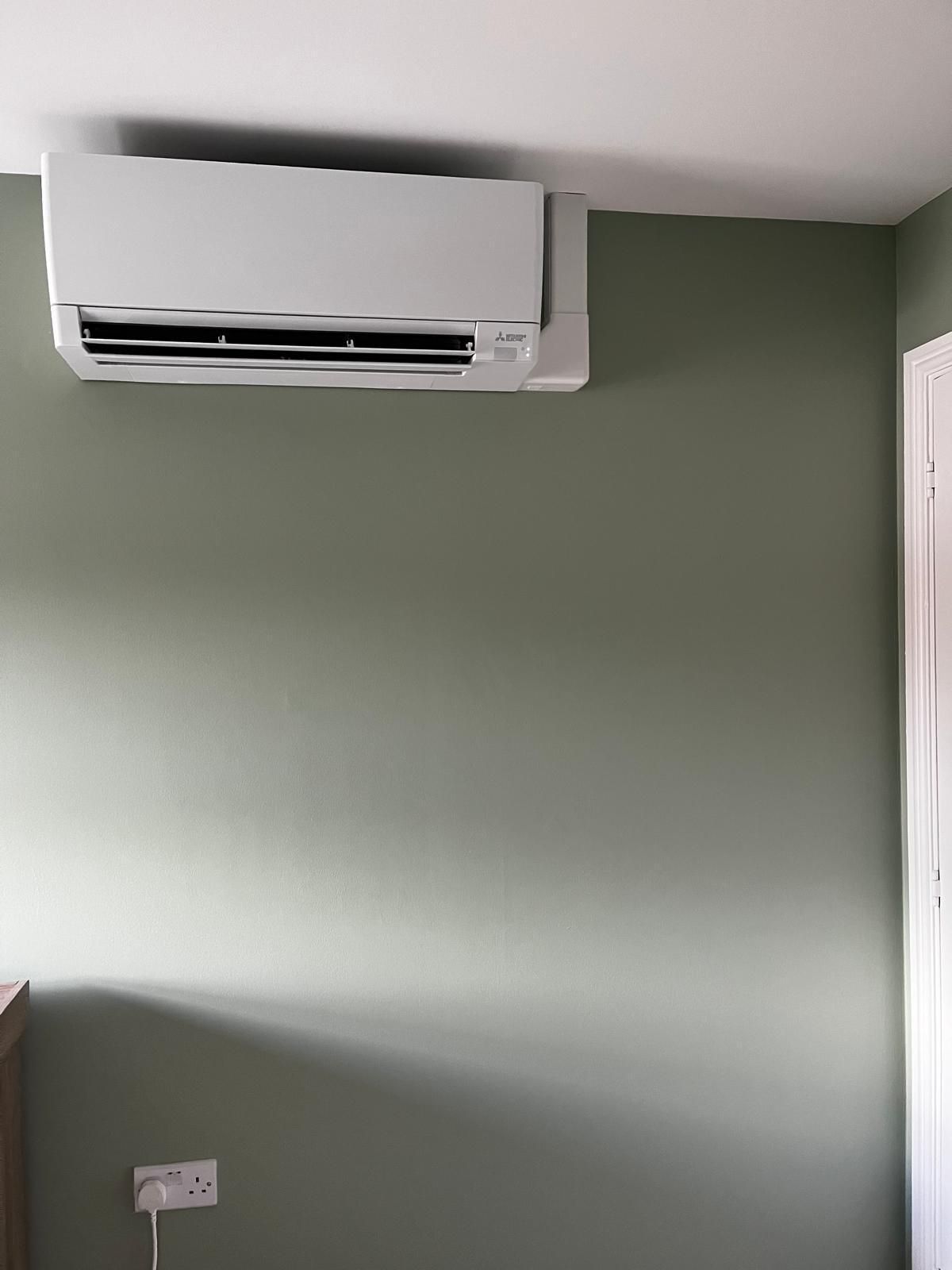
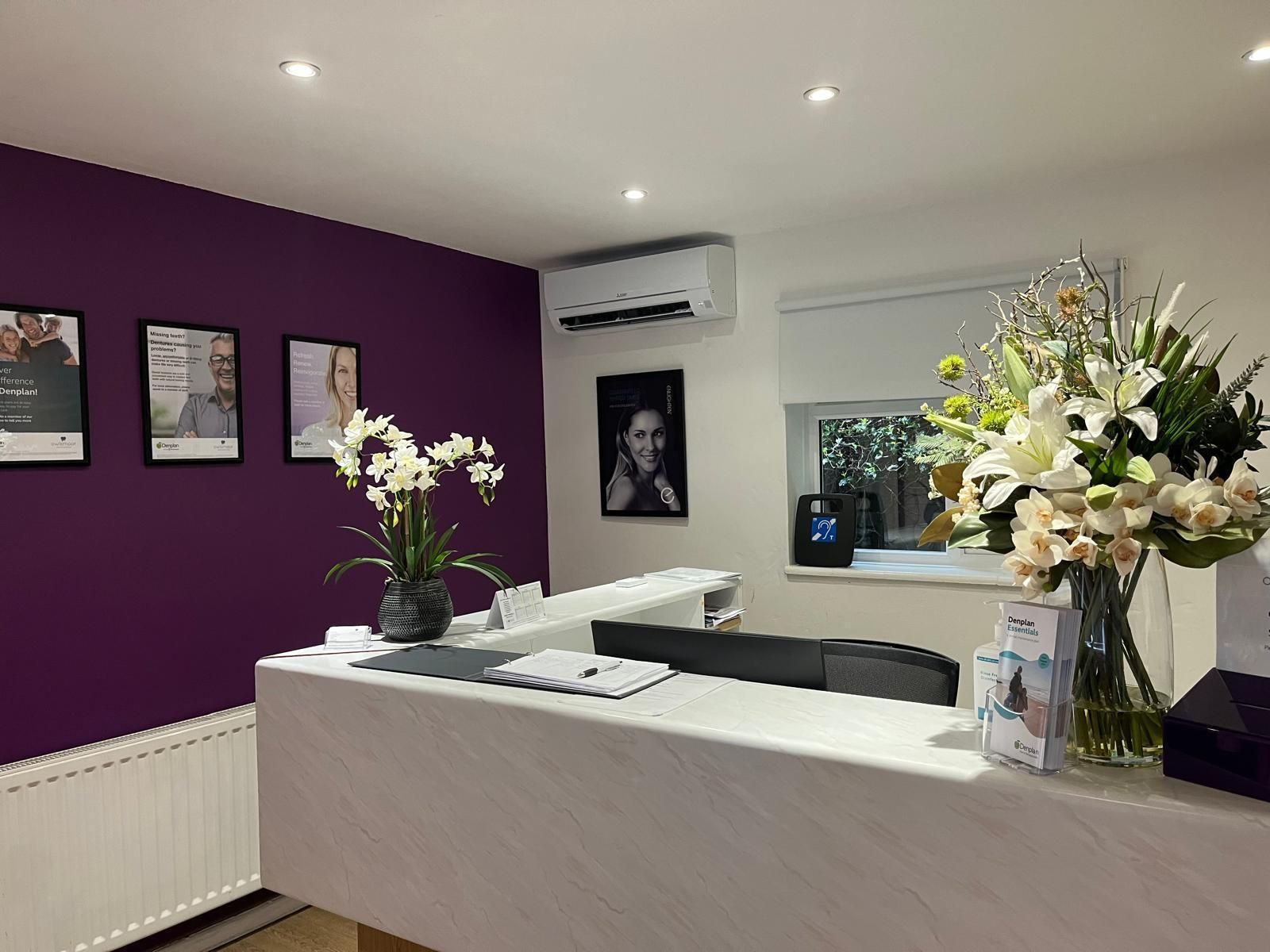
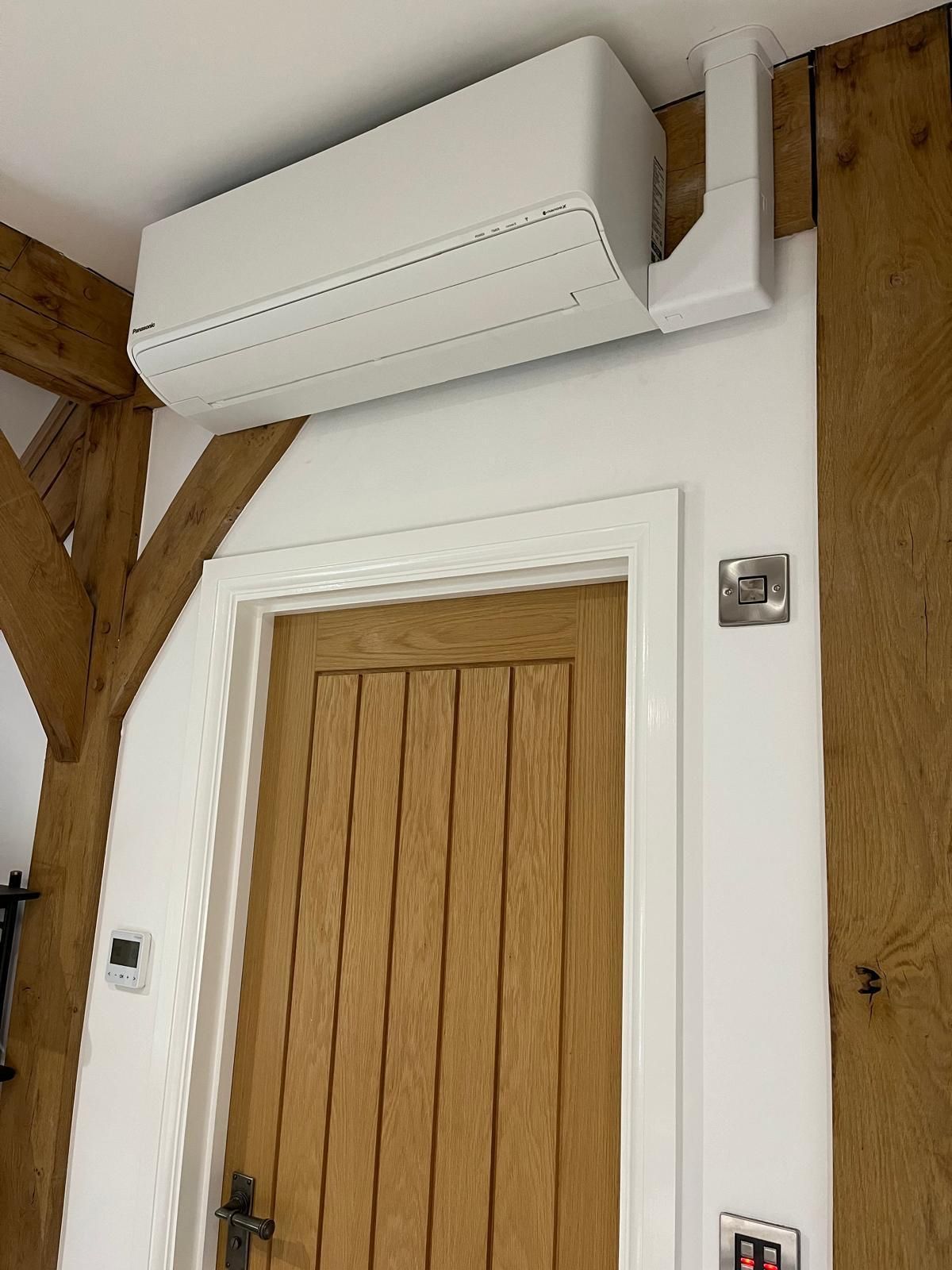
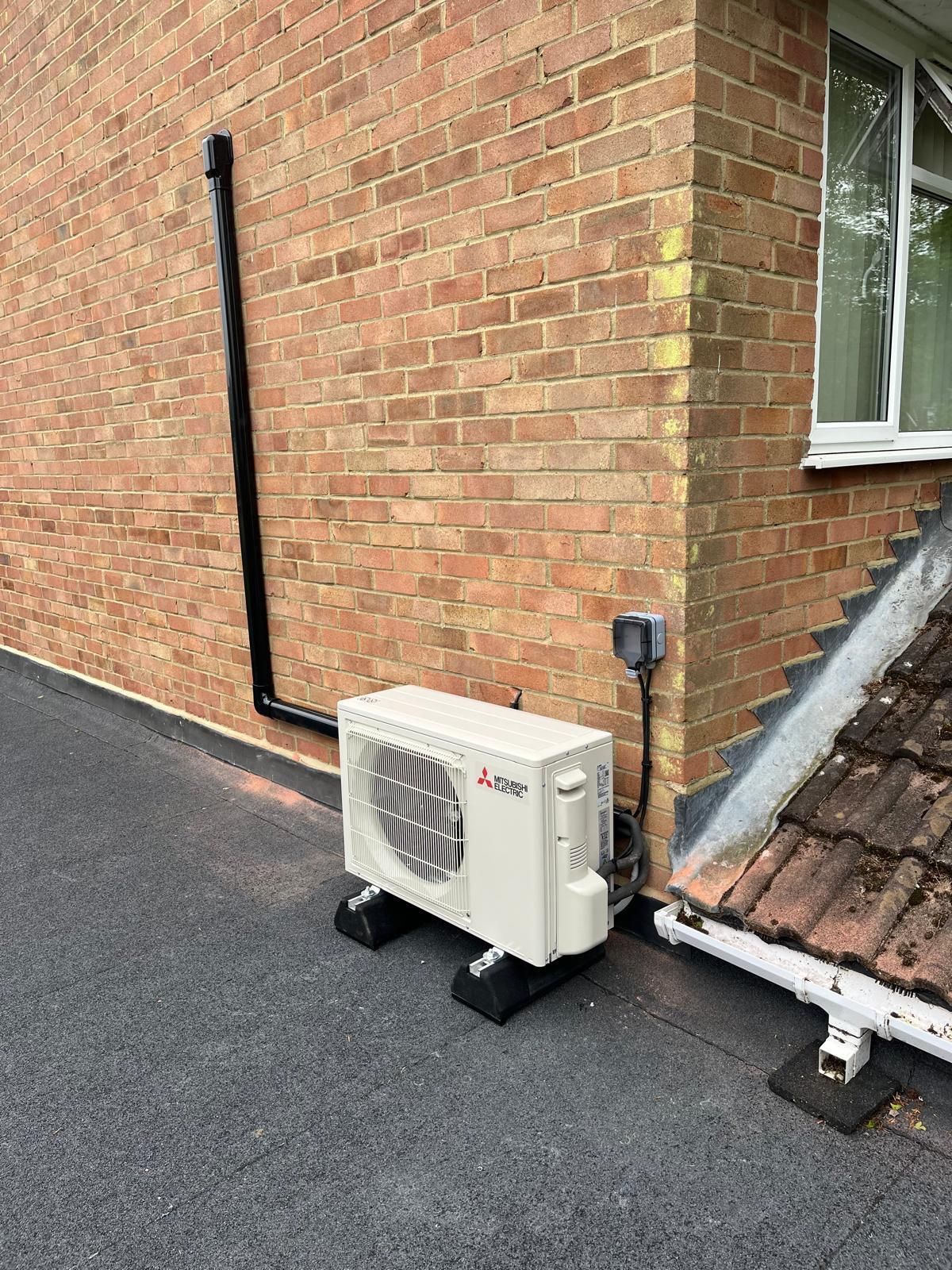
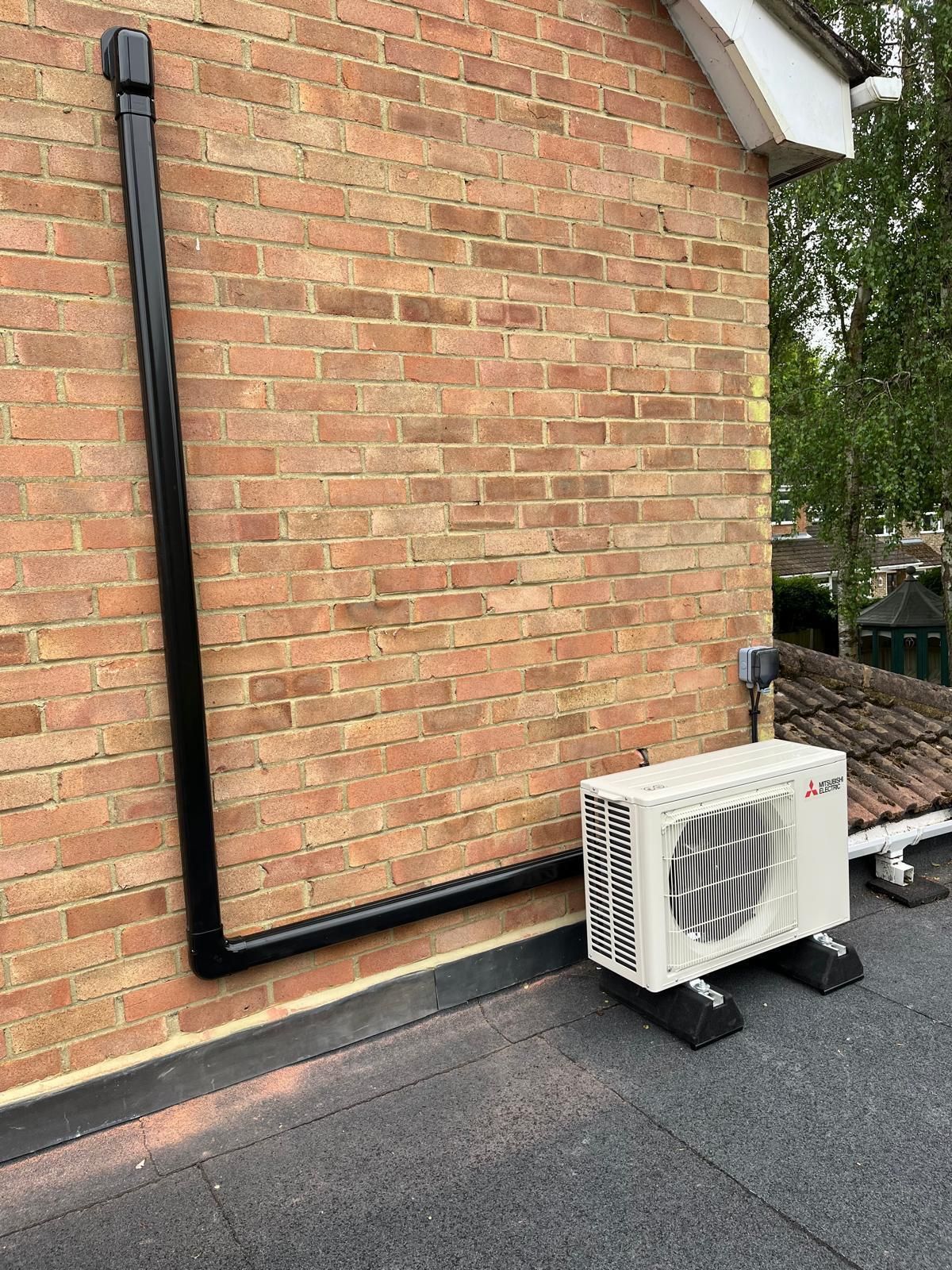
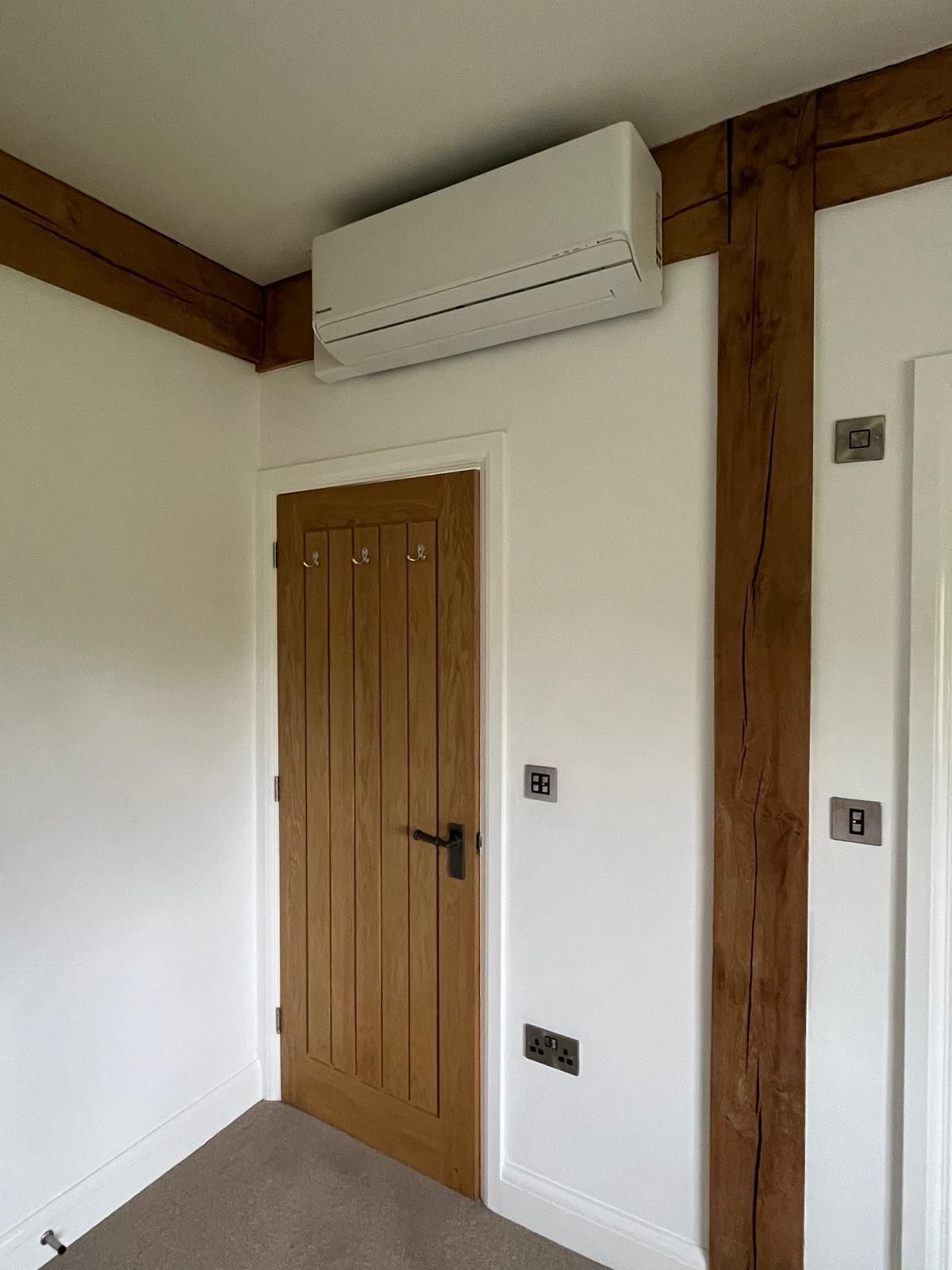
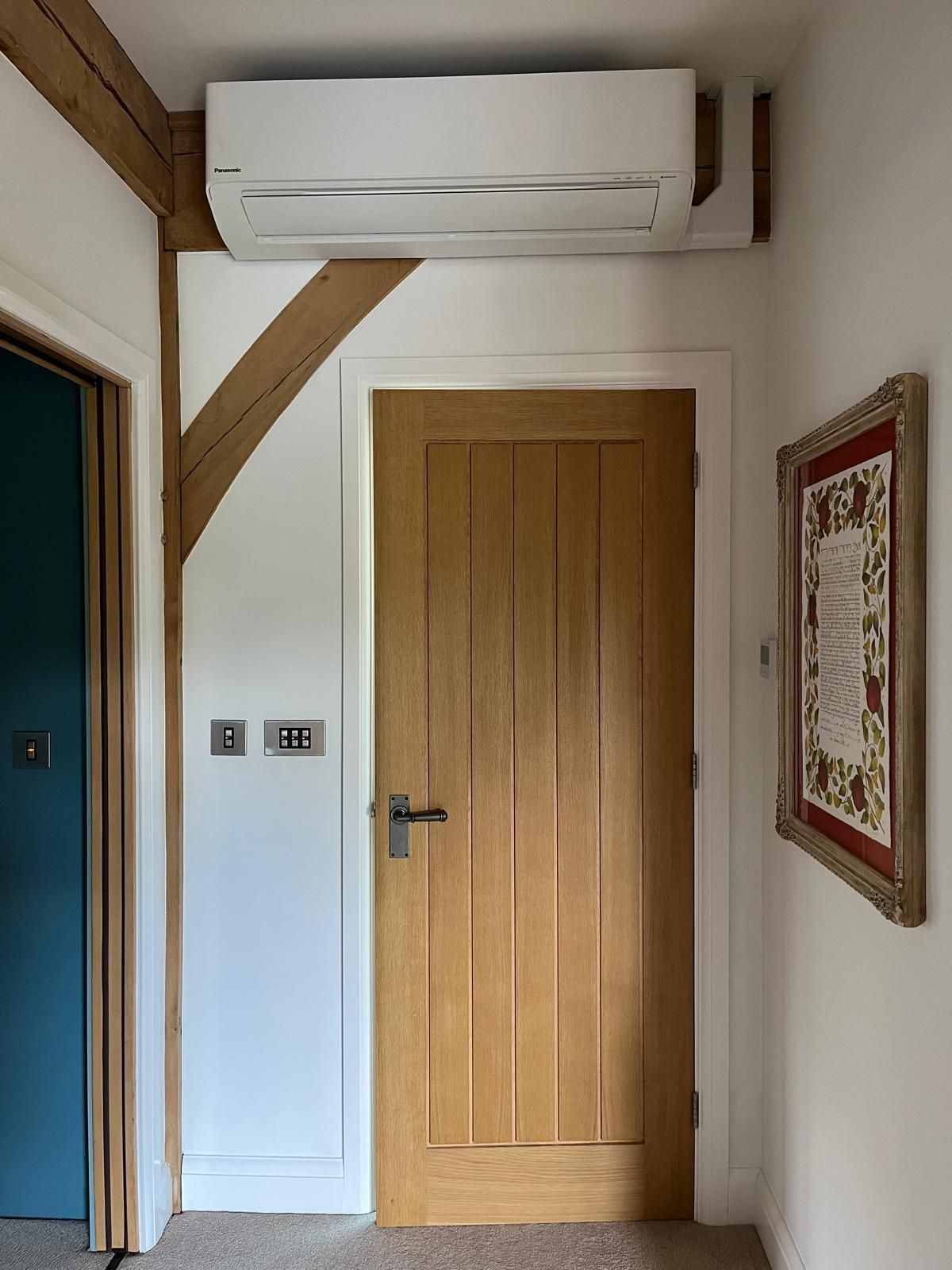
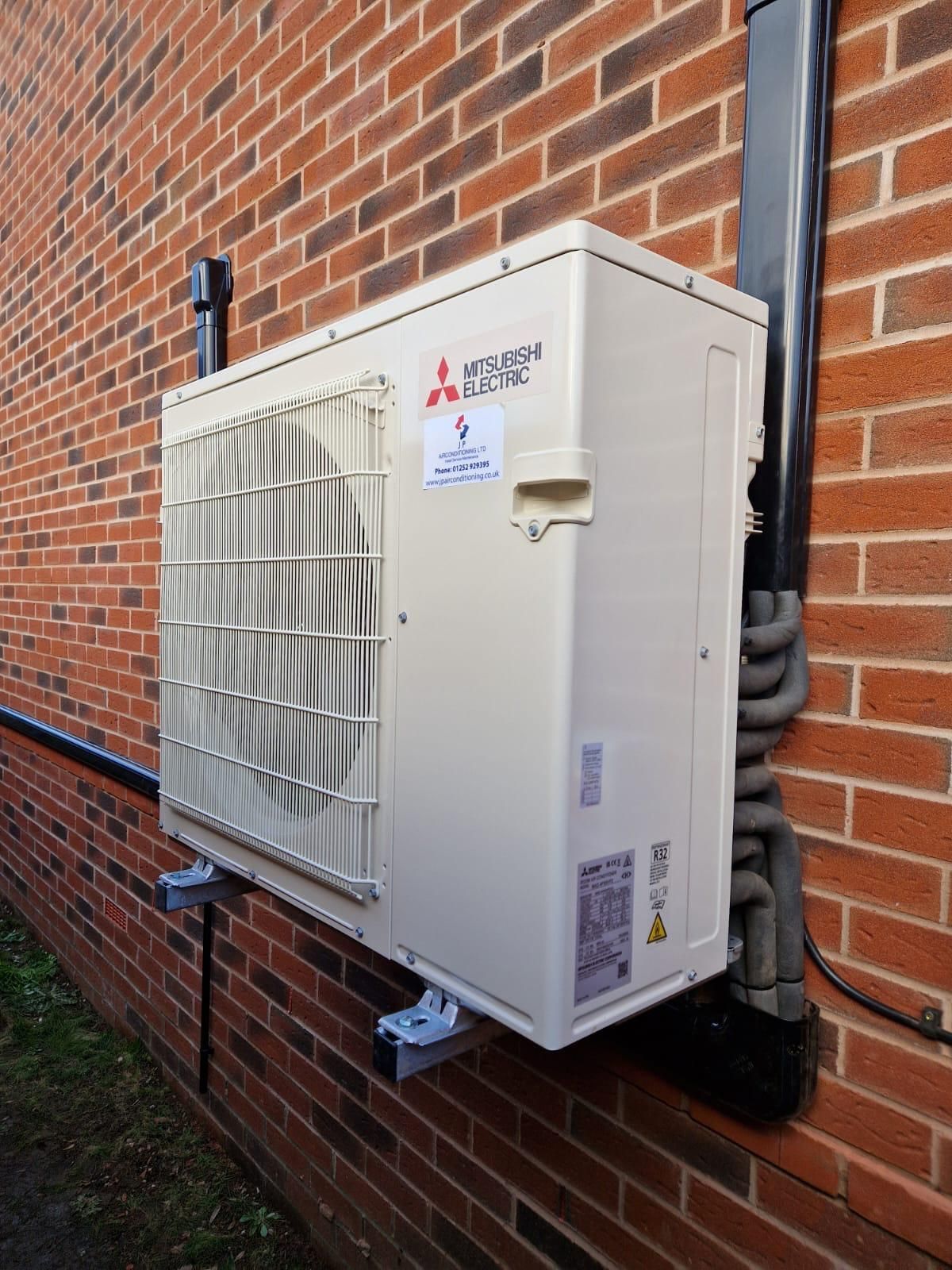
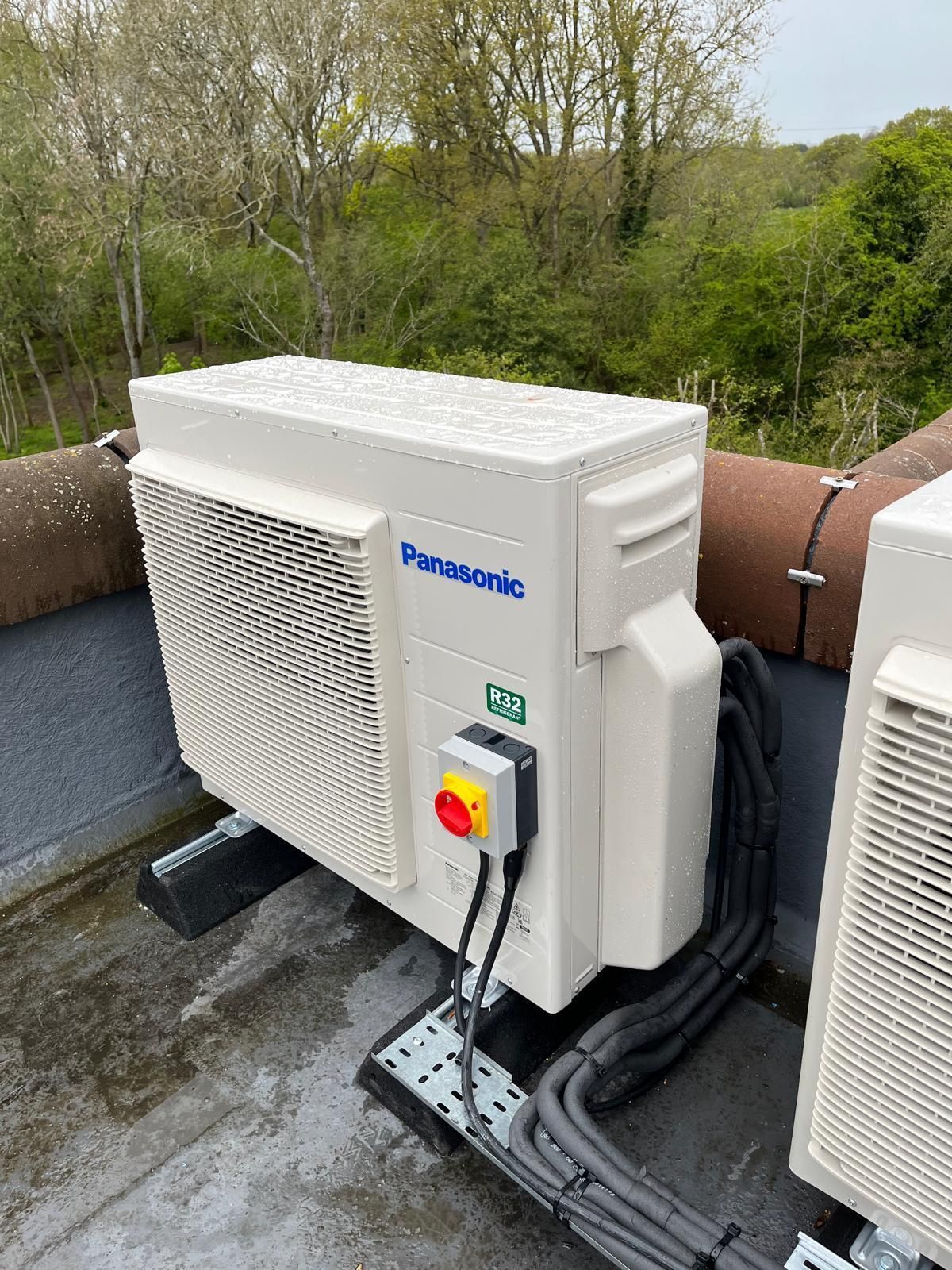
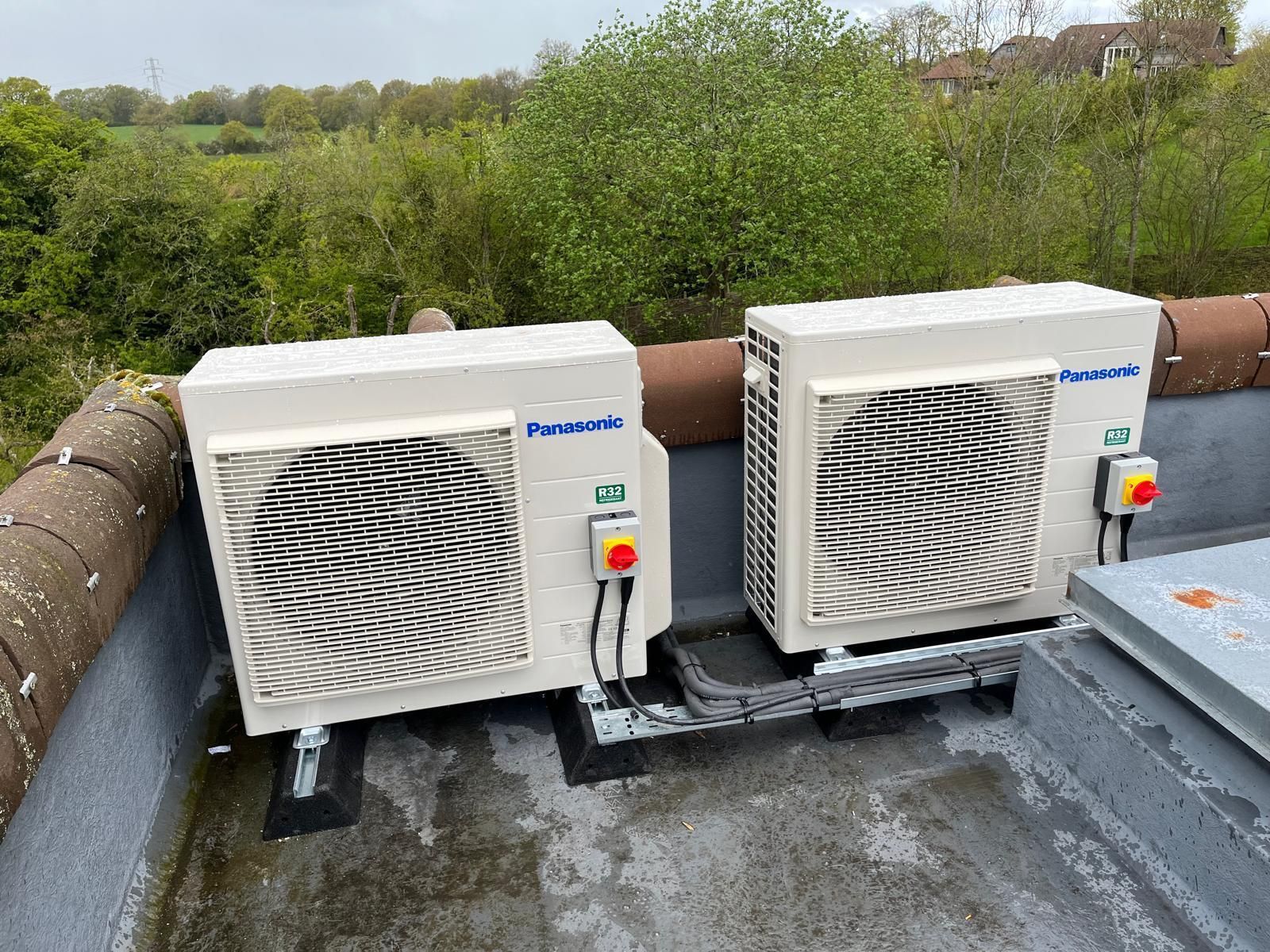
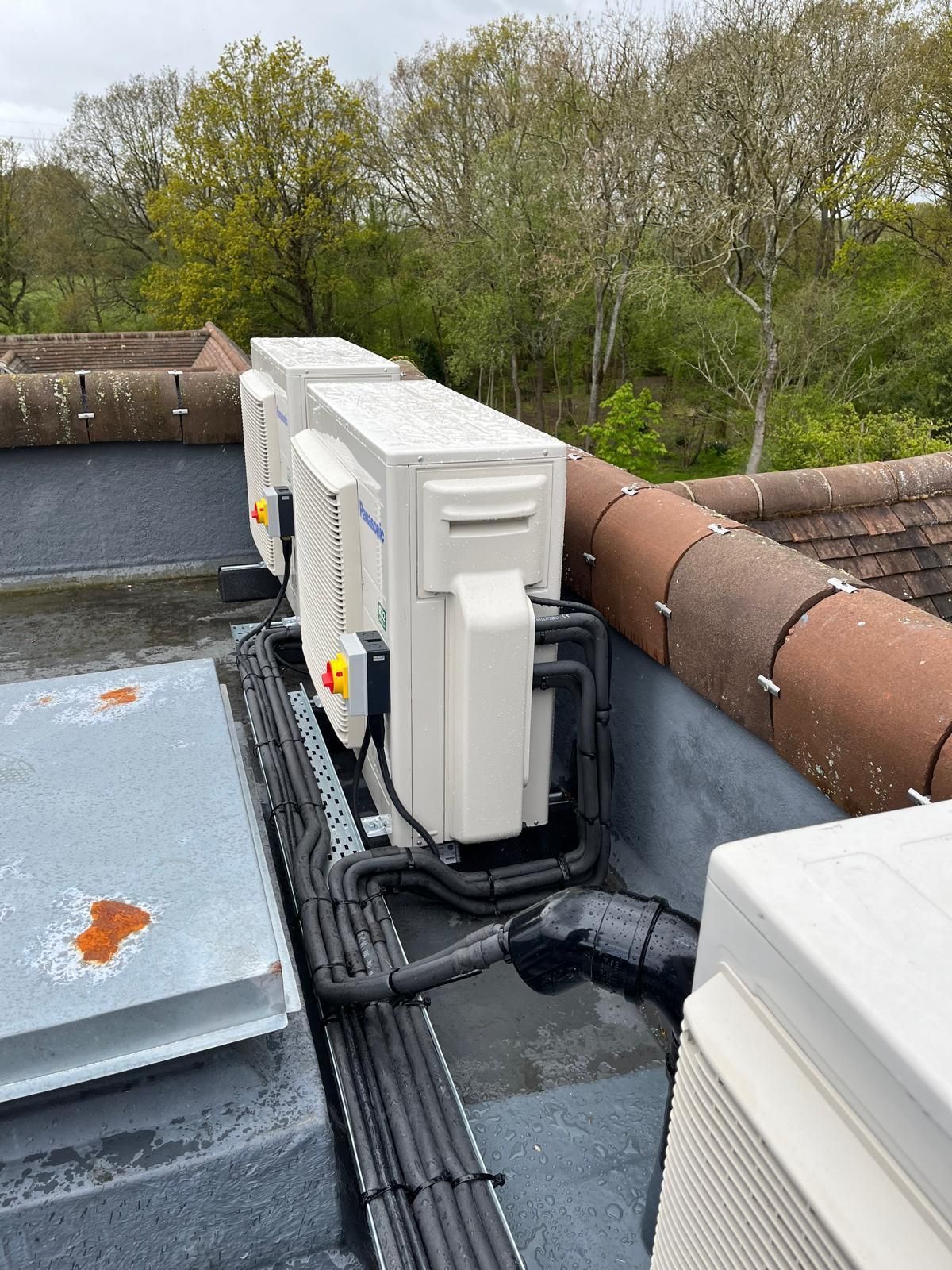
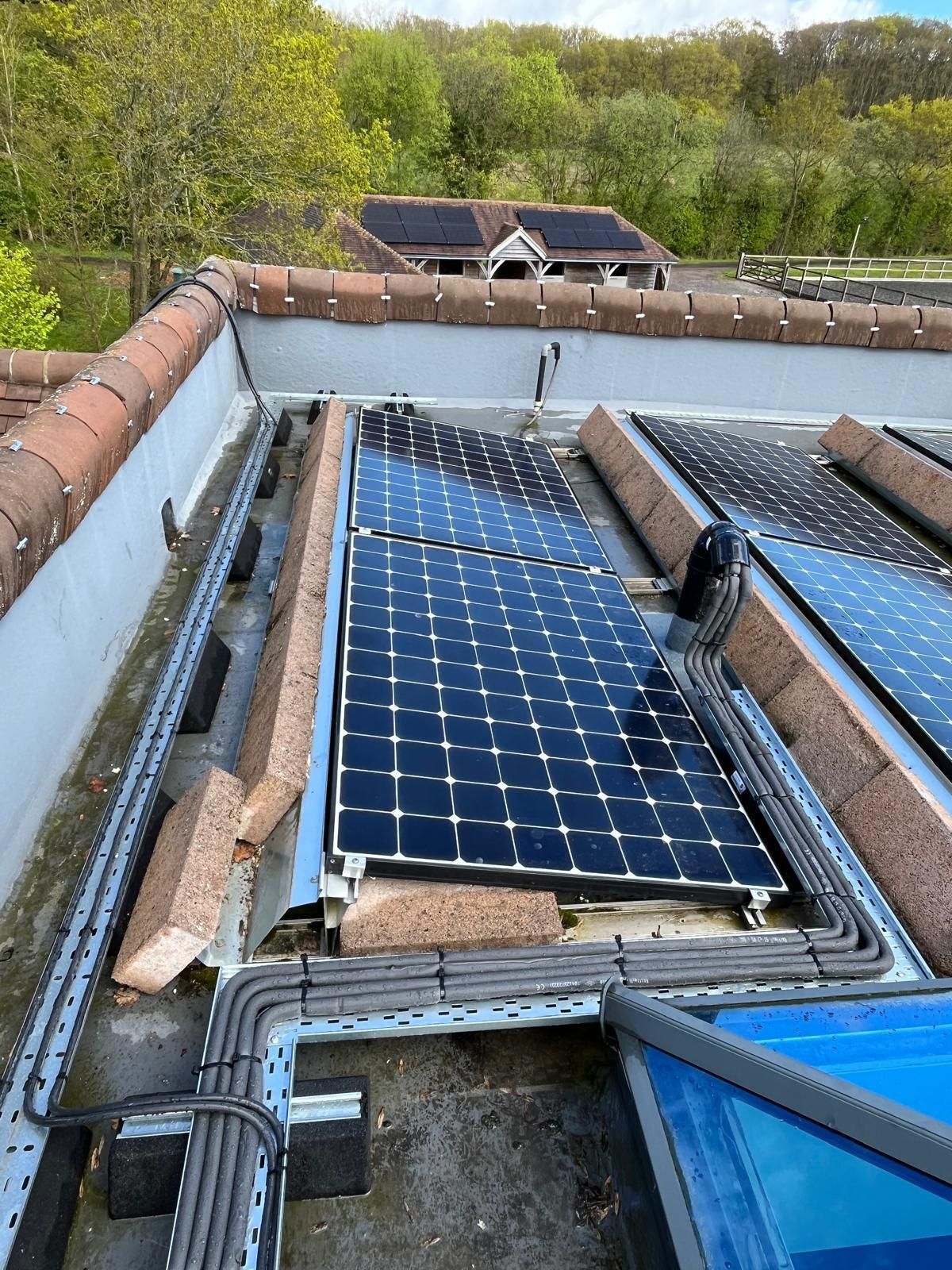
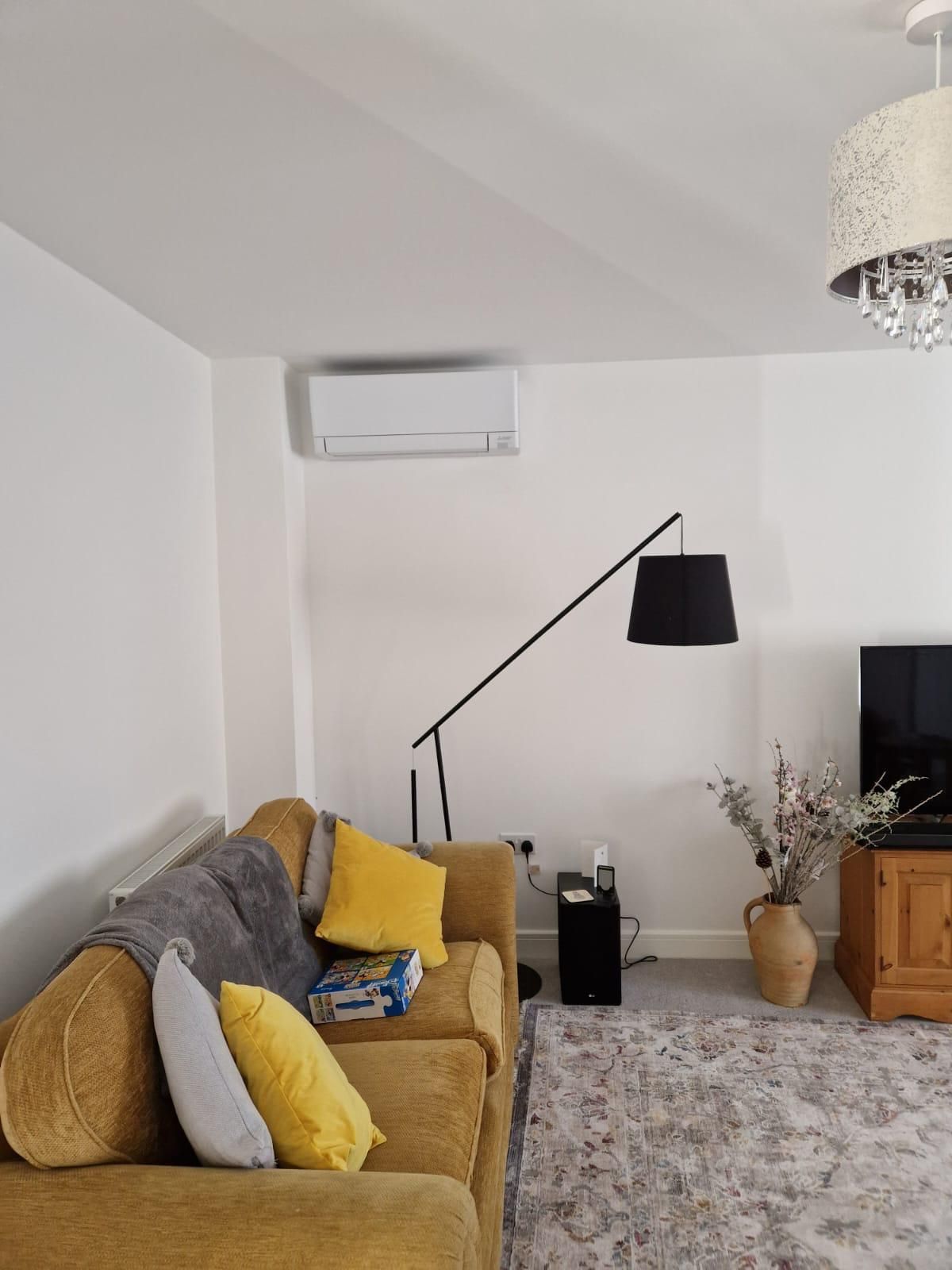
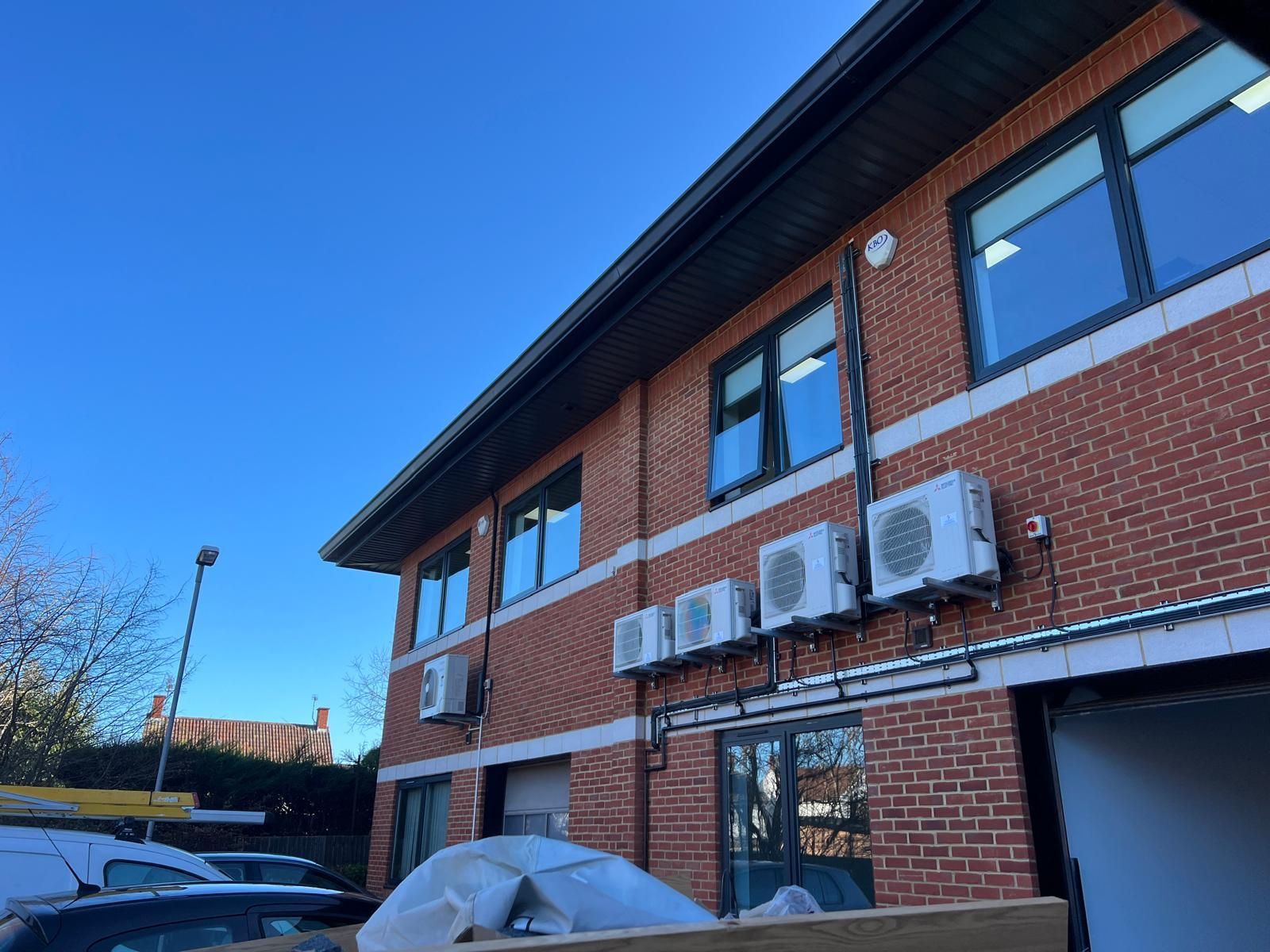
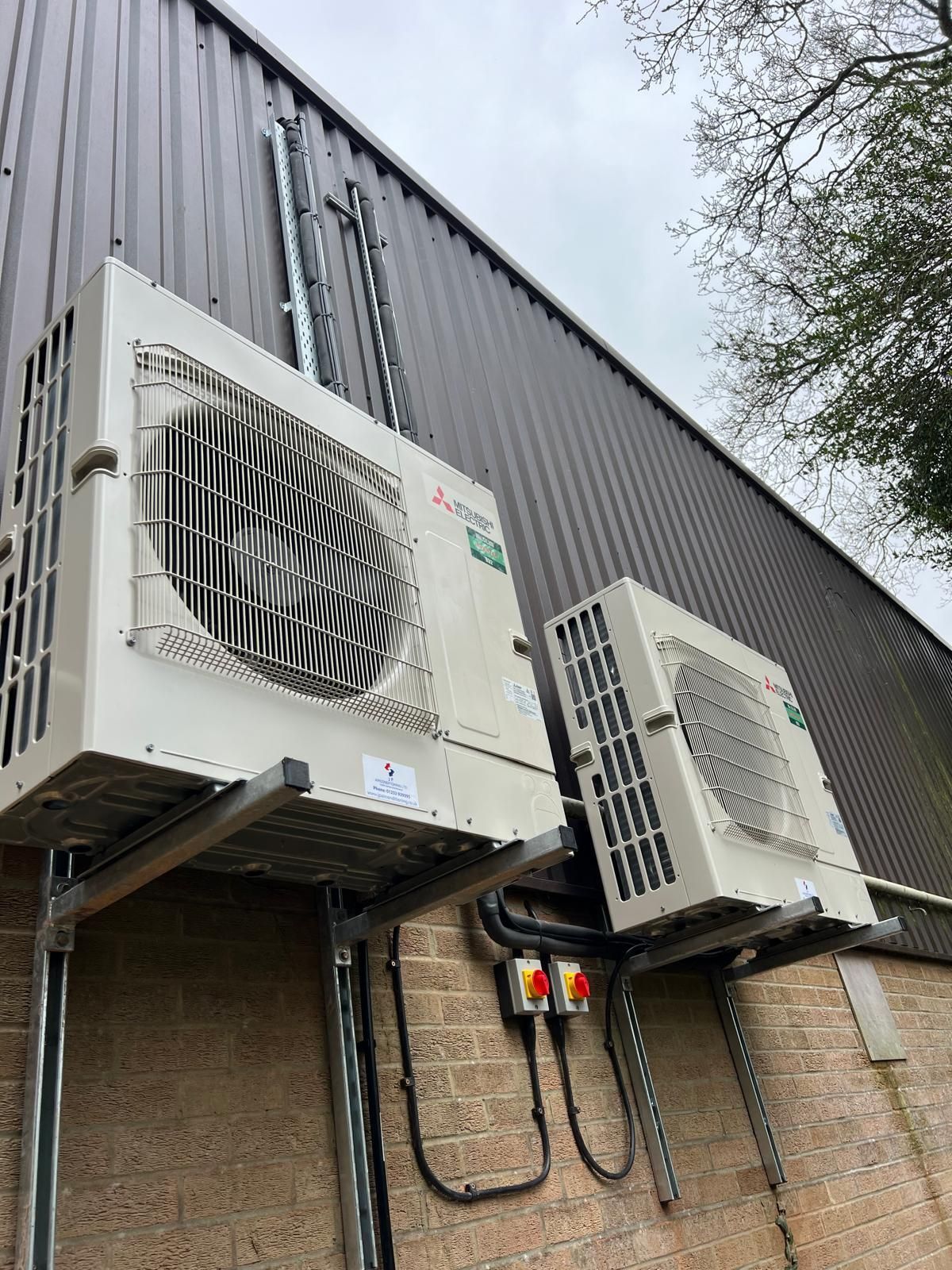
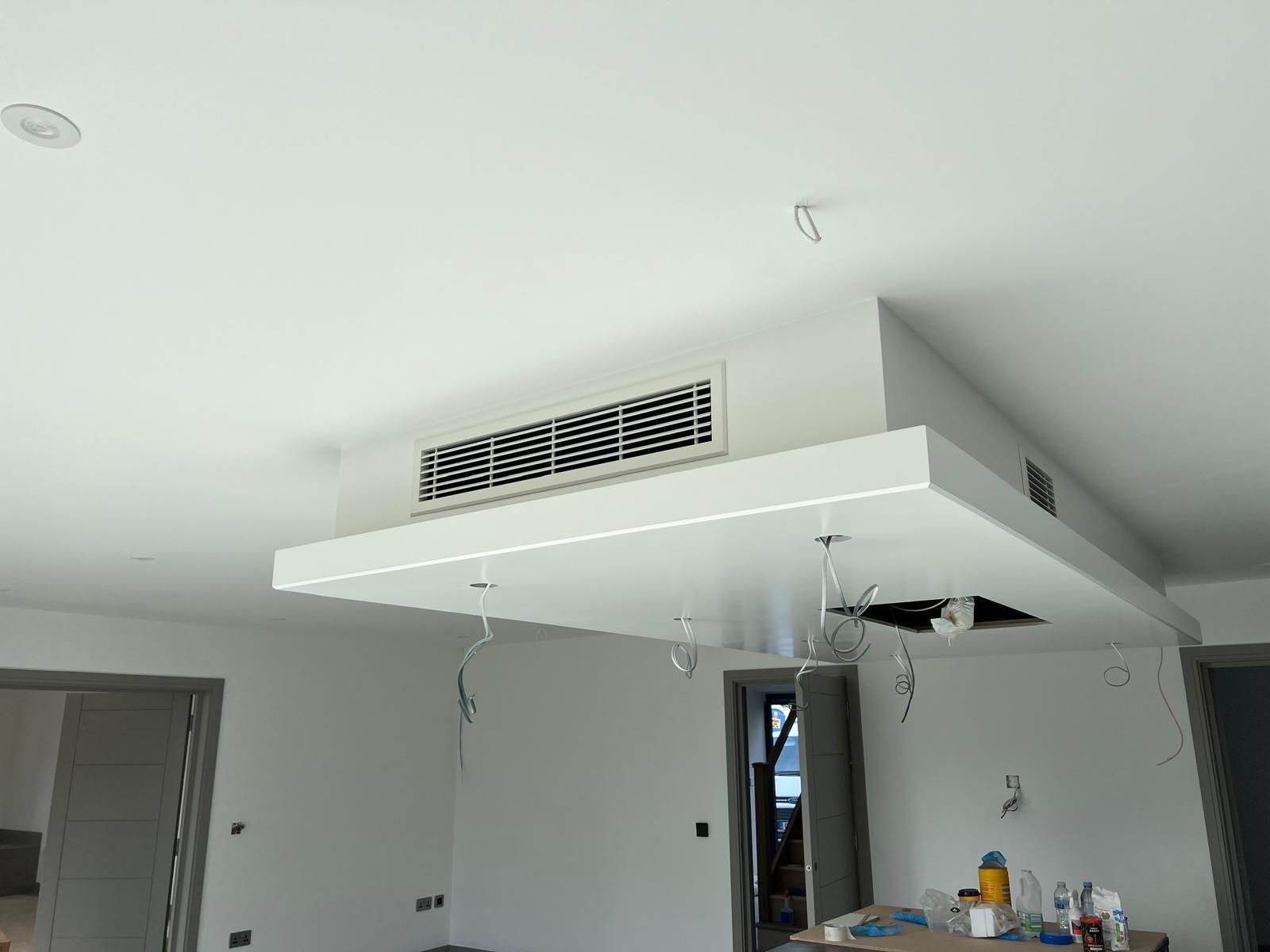
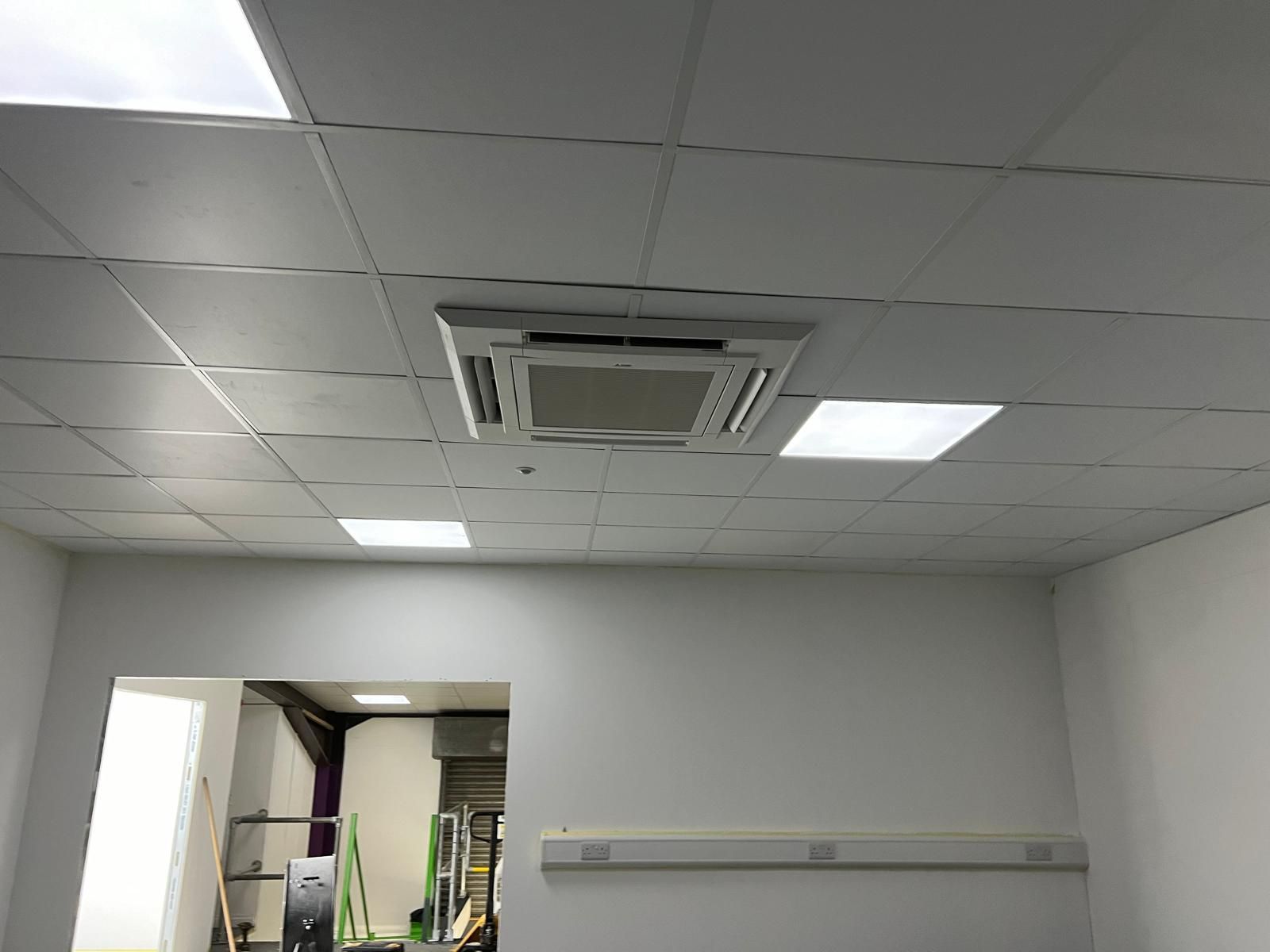
Once installation begins, indoor and outdoor units are fitted, pipework and cabling are installed, and controls are set up. The focus here is on precision — correct positioning, tidy routing, and secure installation all affect long-term performance.
Good installers don’t rush this stage. tAttention to detail now prevents noise issues, airflow problems and unnecessary maintenance later on.
Step Five:
Testing, Commissioning and Balancing
Before handover, the system is fully tested and commissioned. This ensures:
- Correct temperatures are being achieved
- Airflow is balanced properly
- Controls work as intended
- The system operates efficiently and safely
This step is critical. A system that hasn’t been commissioned correctly may technically “work,” but it won’t perform as well as it should.
Step Six: Handover, Training and Ongoing Support
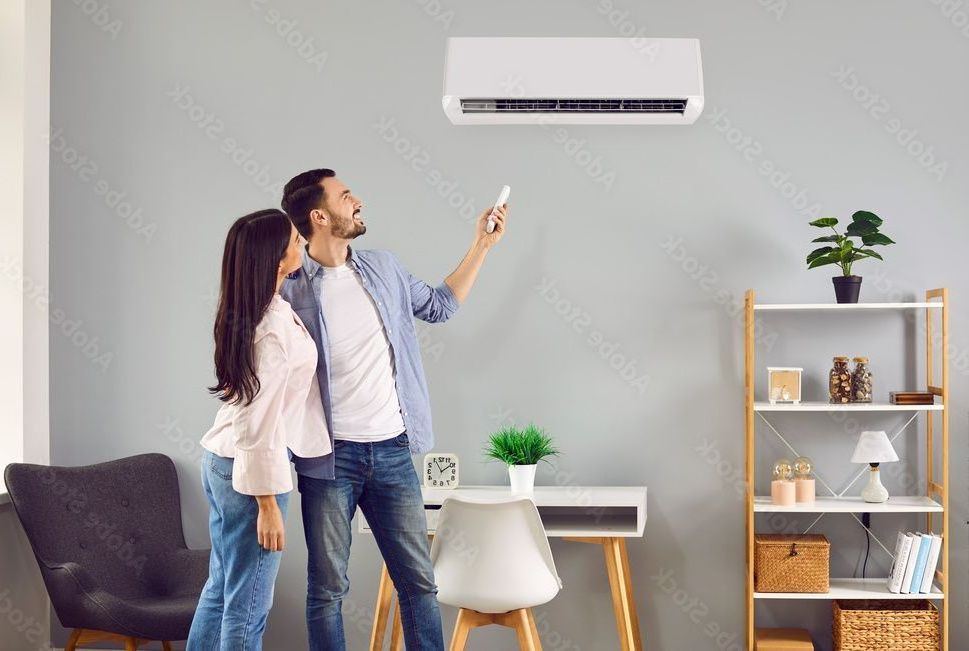
Once the system is live, you’ll be shown how to use it properly. That includes basic controls, recommended temperature settings, and advice on efficient operation.
This is also where warranties, maintenance options and future servicing are discussed. Businesses that install systems correctly from the start often find servicing simpler and more cost-effective in the long run.
How Long Does a Commercial Installation Take?
There’s no single answer, but most small-to-medium commercial installations are completed within days rather than weeks.
The timeline depends on:
- Building size
- System complexity
- Access
- Whether ventilation is included
The key takeaway is that with good planning, installation rarely causes the level of disruption businesses fear.
Why Getting the Installation Right First Time Matters
A poorly designed or rushed installation can lead to:
- Uneven temperatures
- Higher energy costs
- Increased breakdowns
- Complicated servicing
- Shorter system lifespan
On the other hand, a properly installed system delivers reliable comfort, predictable running costs, and a much smoother ownership experience.
Need Advice Before You Install?
If you’re considering commercial air conditioning and want to understand what’s involved — or whether your building needs ventilation alongside it — getting advice early is always the smartest move.
At JP Air Conditioning, we design and install commercial air conditioning systems for businesses across Hampshire, Surrey and the surrounding areas, working closely with clients to deliver solutions that perform properly from day one.
Planning a commercial air conditioning installation?
Call
01252 929395 or visit
www.jpairconditioning.co.uk to speak to our team.